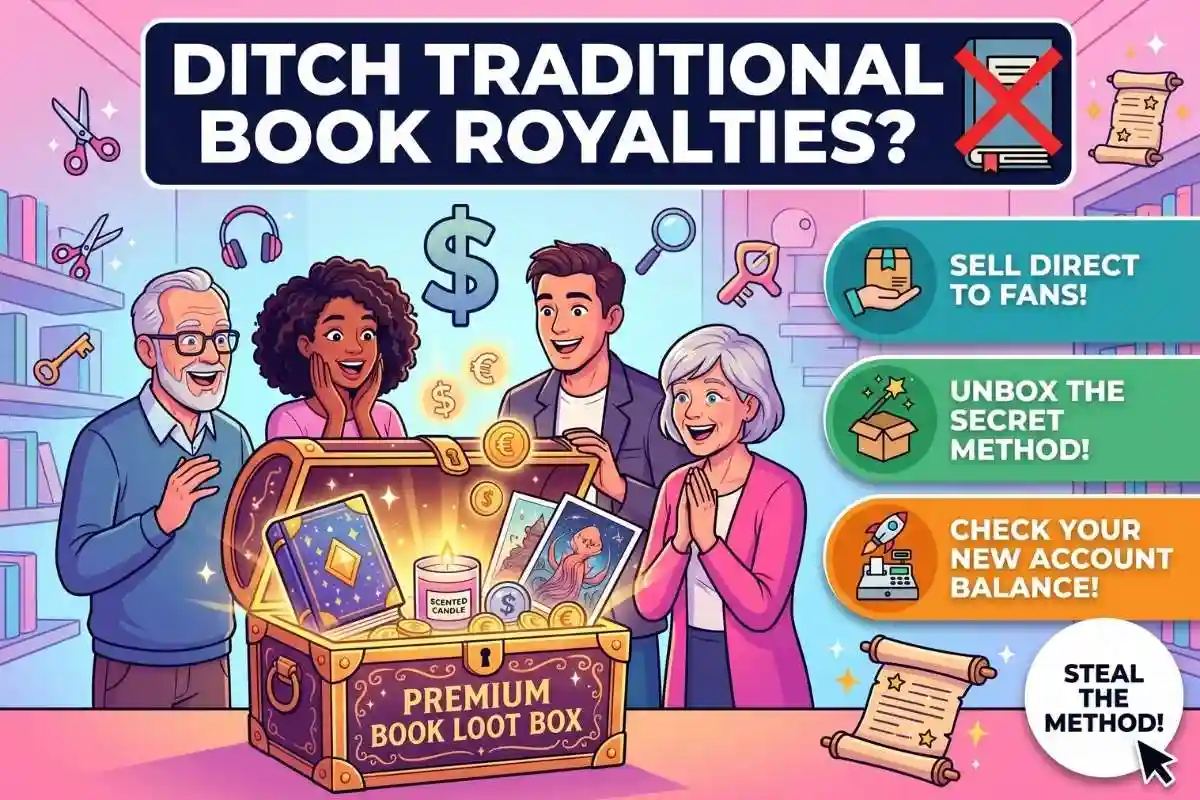
Imagine a world where your favorite story doesn’t end when you close the back cover. In the ever-changing landscape of modern publishing, the relationship between an author and their readers has evolved into something much more profound. Readers no longer just want to consume a story; they want to hold a piece of its universe in their hands. Welcome to the era of physical book loot boxes. In 2026, creating and selling premium, curated merchandise directly to your most dedicated supporters has become the ultimate way to bridge the gap between imagination and reality. This article explores how authors are transforming words into tangible magic.
The Rise of the Superfan Economy
To understand the phenomenon of the physical book loot box, we first need to explore the concept of the “superfan” and why this demographic has become the beating heart of the 2026 publishing industry. A superfan is a deeply invested enthusiast who passionately champions a creator’s work, attends virtual or physical events, and eagerly anticipates every new release. In a digital age where media can often feel fleeting and intangible, there has been a massive cultural swing back toward physical media and exclusive collectibles. People are craving authenticity and a physical connection to the art they love. For authors, tapping into this economy means recognizing that a dedicated segment of your audience is willing to invest significantly more in your brand if you provide them with unparalleled value. This is where the concept of the loot box, traditionally associated with the video game industry—you can read more about the digital origins of loot boxes on Wikipedia—is brilliantly repurposed for literature. Instead of digital skins or virtual weapons, readers receive a beautifully packaged trove of high-quality merchandise that immerses them further into the fictional world they adore.
Curating the Ultimate Loot Box Experience
Curating a premium book loot box is an art form that requires an author to step out of the writer’s room and into the shoes of an experience designer. The goal is to evoke a sense of childlike wonder from the moment the postman drops the package at the door. It begins, of course, with the book itself—often an exclusive hardcover edition featuring custom foil stamping, sprayed edges, or alternate cover art that cannot be found in standard retail stores. But the book is merely the anchor. The surrounding merchandise must complement the narrative and feel like genuine artifacts pulled directly from the story’s universe. Think of intricately designed maps printed on high-quality parchment, character art commissioned from top-tier illustrators, scented candles that smell like the protagonist’s favorite coffee shop, or wearable items like enamel pins and woven bookmarks. The key to a successful curation is thematic coherence and premium quality; cheap, plastic trinkets will only diminish the perceived value of the author’s brand. By thoughtfully selecting items that resonate emotionally with the narrative, creators provide a multisensory reading experience that lingers long after the final chapter is finished.
The Logistics of Delivering Magic
While the creative aspect of designing a loot box is undeniably thrilling, the logistical realities of bringing this product to market require meticulous planning and a solid understanding of e-commerce supply chains. Sourcing premium merchandise involves building relationships with reliable manufacturers, negotiating minimum order quantities, and ensuring that ethical labor practices are followed. Official resources provided by the U.S. Small Business Administration can help independent creators navigate these complex logistical hurdles and inventory management challenges for the first time. Authors must calculate their profit margins with extreme precision, taking into account the costs of the products, custom packaging materials, and the ever-fluctuating rates of global postage. Packaging itself is a critical component of the product; a bespoke, beautifully printed exterior box protects the fragile items inside while instantly signaling to the buyer that they are receiving a luxury item. Furthermore, fulfillment—the actual process of assembling hundreds of boxes and printing shipping labels—can easily overwhelm an unprepared creator. Many successful authors partner with specialized fulfillment centers that handle the physical labor, allowing the writer to focus on their primary job: writing the next book.
Building Community Through Exclusive Drops
Beyond the financial benefits, the strategic release of physical book loot boxes serves as a powerful catalyst for community building. When an author announces a limited-edition “drop,” they create a shared event that galvanizes their readership. This model borrows heavily from the streetwear and boutique fashion industries, where scarcity and exclusivity drive immense excitement. Because these premium boxes are produced in limited runs, fans know that owning one puts them in an exclusive club of dedicated supporters. As these boxes arrive at doorsteps around the world, readers inevitably take to platforms like Instagram, TikTok, and YouTube to share unboxing videos. This user-generated content acts as organic marketing, showcasing the incredible value and care put into the product to a broader audience. The shared joy of discovering the hidden treasures inside the box fosters a deep sense of camaraderie among fans, transforming isolated readers into an interconnected community. They discuss the hidden clues in the artwork, debate the significance of the included artifacts, and eagerly speculate on the next merchandise drop, solidifying their long-term loyalty.
Financial Viability and the Future of Publishing
As we navigate the publishing landscape of 2026, it is clear that relying solely on standard book royalties is a challenging path to sustainable income for many creators. The physical book loot box represents a crucial diversification of an author’s revenue stream. While a standard paperback might yield a royalty of a few dollars, a premium loot box priced between $50 and $150 can offer significantly higher profit margins, provided the cost of goods sold is managed effectively. This direct-to-consumer model empowers authors, allowing them to bypass traditional retail middlemen and retain a larger share of the profits. Moreover, the data collected from these direct sales—such as email addresses, geographic locations, and purchasing habits—is invaluable for future marketing campaigns. Looking ahead, this trend shows no signs of slowing down. Traditional publishers are increasingly adopting similar strategies, creating specialized imprints dedicated entirely to limited-edition merchandise. For the independent creator, however, the ability to remain agile, highly responsive to fan feedback, and deeply personal in their curation ensures that they can compete with, and often outperform, massive corporate publishing houses.
Loot Box Economics: A Sample Breakdown
To understand how a premium book box can be both valuable to the fan and profitable to the creator, here is a simplified breakdown of a hypothetical loot box retailing for $85.00.
| Item Included | Description | Est. Cost to Creator | Perceived Value |
| Exclusive Hardcover | Custom foil cover, sprayed edges, hand-signed | $14.50 | $35.00 |
| Scented Candle | 8oz hand-poured soy wax, thematic story scent | $5.00 | $18.00 |
| Character Art Print | 8×10 high-quality matte cardstock, gold foiled | $1.50 | $12.00 |
| Enamel Pin | 1.5-inch hard enamel, custom backing card | $2.25 | $12.00 |
| Custom Packaging | Branded mailer box, crinkle paper, tissue | $3.50 | $8.00 |
Note: This table excludes shipping and handling costs, which are typically passed on to the consumer or factored into a higher retail price.
Frequently Asked Questions
What exactly is a physical book loot box? A physical book loot box is a curated package centered around a specific book, author, or literary theme. It typically includes an exclusive edition of a novel accompanied by high-quality, thematic merchandise—such as artwork, candles, bookmarks, and wearable items—designed to immerse the reader further into the story’s universe.
Are book loot boxes profitable for independent authors? Yes, they can be highly profitable when managed correctly. By selling directly to consumers, authors bypass traditional bookstore retail margins. However, success requires meticulous attention to the cost of goods sold, shipping logistics, and ensuring the perceived value justifies a premium price tag for the fans.
How do creators handle international shipping for bulky boxes? International shipping is often the biggest hurdle due to high postage costs and complex customs regulations. Many creators start by offering domestic shipping only to minimize risk. As they scale, they often use localized fulfillment centers in different regions (such as the UK or Australia) to distribute their products more affordably to international fans.
Summary and a Curious Fact
To summarize, the evolution of the physical book loot box in 2026 represents a brilliant convergence of literature, e-commerce, and community building. By offering premium, curated merchandise directly to superfans, authors can forge deeper emotional connections with their audience while simultaneously creating a robust and sustainable revenue stream. It requires boundless creativity, sharp business acumen, and a deep understanding of what readers truly value when they step into a fictional world.
Curiosity Fact: Did you know that the concept of curated “subscription boxes” actually dates back much further than the internet age? The famous “Book of the Month Club,” founded in 1926, is often considered the pioneer of the subscription model in the United States. Exactly one century later, in 2026, we have taken that 100-year-old idea and supercharged it with bespoke merchandise, direct-to-consumer digital technology, and the unmatched power of the superfan economy. The medium may have changed, but the joy of receiving a curated literary surprise in the mail remains as timeless as storytelling itself.