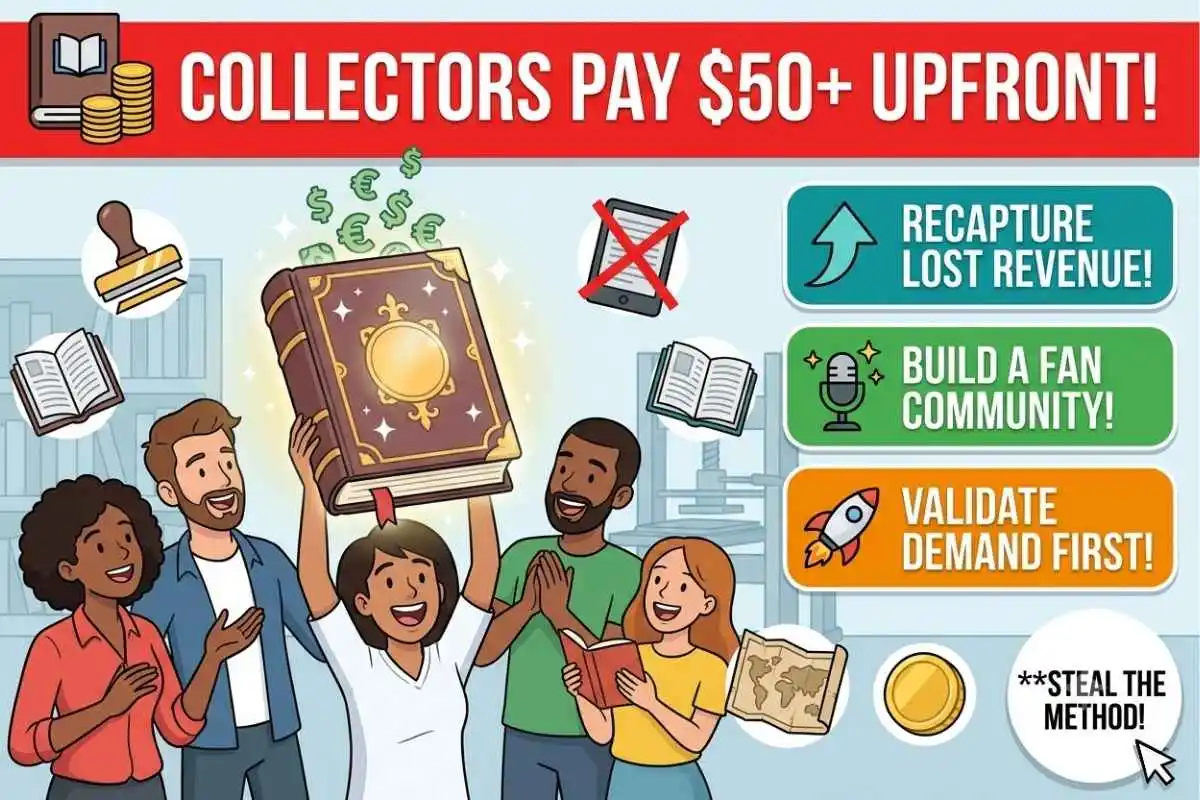
Not long ago, conventional wisdom in publishing dictated that physical books were a dying medium, destined to be swallowed by lightweight digital e-readers and instant audiobooks. Readers, experts claimed, cared only about convenience and the lowest possible price point. Yet a fascinating cultural phenomenon has quietly upended this digital prophecy. Across the internet, tens of thousands of passionate readers are routinely opening their wallets to pay fifty, one hundred, or even three hundred dollars upfront for books they have never read. Rather than waiting for a discounted paperback to hit local store shelves, they are eagerly funding lavish, special-edition book bundles months before the ink ever hits the paper. This digital-to-physical renaissance is reshaping how stories are funded, marketed, and experienced, turning everyday readers into enthusiastic patrons of literary art and proving that the printed word has never been more valuable in the modern era.
The Psychology of Collectible Reading and Literary Patronage
The driving force behind this high-ticket book craze is a profound shift in consumer psychology, where reading transforms from a solitary hobby into an immersive community experience. On crowdfunding platforms like Kickstarter, an author does not simply sell a bound stack of paper; they invite readers to become active partners in bringing a creative vision to life. When a reader pledges fifty dollars or more for a bundle, they are purchasing an artifact designed for aesthetic display and sensory pleasure. These premium editions frequently boast features that traditional retail publishers routinely strip away to cut costs: intricate gold foil stamping, illustrated endpapers, satin bookmarks, and vibrantly sprayed page edges. In an era dominated by ephemeral digital media and screen fatigue, collectors crave tangible objects that proudly showcase their personal identity and love for storytelling on their living room shelves.
The Economic Revolution for Independent Authors
From a financial perspective, high-end book bundles represent a liberation from the notoriously thin margins of traditional retail publishing. In the standard bookstore distribution model, wholesalers and brick-and-mortar retailers swallow up to fifty-five percent of a book’s cover price, leaving the author with a minuscule royalty. By shifting to a direct crowdfunding model, independent authors operating within the expanding world of self-publishing recapture those lost retail revenues. When an author sells a deluxe fifty-dollar bundle directly to a fan, the profit margin expands dramatically, even after accounting for the higher unit costs of premium printing. This upfront capital allows writers to finance ambitious print runs, pay professional editors and cover artists fair wages, and build sustainable creative careers without needing permission or an advance from a traditional publishing house.
The Unstoppable Rise of Custom Physical Merchandise
While the deluxe hardcover book serves as the centerpiece of any successful campaign, the secret weapon that truly drives average order values above fifty dollars is the inclusion of custom physical merchandise, affectionately known as swag. To entice supporters to pledge at higher reward tiers, authors curate themed collections of physical artifacts pulled directly from the world of the story. A high-fantasy novel bundle might arrive accompanied by metal coins minted with the emblem of a fictional empire, a cloth map depicting the realm, enamel pins featuring beloved characters, and custom candles designed to smell like an enchanted forest library. This physical world-building deepens the reader’s emotional connection to the narrative, transforming a simple reading session into a multi-sensory adventure that cannot be replicated by downloading a digital file.
Navigating the Global Supply Chain Gauntlet
Despite the lucrative financial rewards, executing a complex physical merchandise campaign requires authors to master intricate logistics and global supply chain management. Designing a beautiful foil-stamped cover is only the beginning of a months-long operational marathon that tests an author’s organizational endurance. Writers must coordinate simultaneously with specialized offset printers in overseas manufacturing hubs, negotiate freight shipping rates across oceans, and manage customs clearances that can delay shipments by weeks. Furthermore, creators must ensure their intellectual property is properly protected by filing formal documentation with agencies like the United States Copyright Office, while simultaneously tracking inventory in climate-controlled fulfillment warehouses. A single miscalculation in package weight or international postage rates can instantly wipe out a campaign’s entire profit margin, forcing modern authors to become skilled retail operators.
Building Long-Term Reader Loyalty Through Transparency
Another critical factor that elevates crowdfunding above standard e-commerce is the unprecedented level of transparency and direct communication shared between creators and their backers. During a standard retail book launch, the author rarely knows who buys their book, and the consumer has zero insight into the creative process. In contrast, a crowdfunding campaign operates as an open dialogue where backers receive regular behind-the-scenes updates regarding drafting progress, illustration sketches, and manufacturing hurdles. According to research from cultural institutions like the National Endowment for the Arts, direct engagement between artists and audiences significantly increases long-term arts appreciation and patronage. When readers feel valued as insiders who personally helped bring a physical artifact into existence, their emotional investment skyrockets, fostering fierce brand loyalty for future projects.
Comparing the Models: Traditional Retail vs. Kickstarter Deluxe Bundles
To fully appreciate why independent authors and avid readers are abandoning the traditional bookstore model in favor of upfront crowdfunding, it helps to examine the core differences side by side. This comparison highlights how direct-to-consumer crowdfunding alters the financial realities and physical output of modern publishing.
| Feature | Traditional Bookstore Paperback | Kickstarter Deluxe Bundle |
| Cover Price | Ten to twenty dollars at retail | Fifty to three hundred dollars upfront |
| Author Margin | Five to fifteen percent royalty | Up to seventy percent after production |
| Physical Quality | Mass-market paper with glued binding | Heavyweight paper with foil stamping |
| Included Extras | None beyond the printed text | Art prints, pins, maps, and bookmarks |
| Reader Role | Passive consumer at checkout | Active participant in creative journey |
| Financial Risk | Publisher absorbs unsold inventory | Zero inventory risk via print-to-order |
Frequently Asked Questions About Book Crowdfunding
As this publishing model continues to gain mainstream momentum across the digital landscape, readers and aspiring authors alike often have questions about how these high-ticket campaigns operate. Here are clear answers to the most common inquiries regarding Kickstarter book bundles.
Why would a reader pay fifty dollars or more for a single book when paperbacks are cheap?
Readers are not just paying for a basic reading experience; they are investing in a premium collector’s item and exclusive physical merchandise. These editions feature custom artwork, luxury materials like sprayed edges, and immersive swag that standard publishers cannot afford to produce for mass-market retail stores.
Is crowdfunding only effective for already famous authors with massive followings?
While established authors certainly enjoy massive funding totals, thousands of mid-list and debut authors successfully fund campaigns every year. Crowdfunding levels the playing field by allowing authors to validate demand before spending money on bulk printing. Even a modest community of dedicated fans can easily fund a high-quality physical print run.
What happens if a book campaign fails to reach its initial funding goal?
Crowdfunding platforms operate on an all-or-nothing funding model. If a project does not reach its stated financial goal by the end of the campaign period, no backers are charged, and no funds are collected. This mechanism protects both the author from producing an underfunded project and the reader from financial loss.
Final Curiosity: The Renaissance of the Bookshelf
At first glance, it might seem paradoxical that the digital age—an era defined by instant downloads and algorithmic convenience—has triggered a renaissance in high-end physical bookmaking. Yet human nature has always craved tangible connection. The more our daily lives become saturated with glowing screens and invisible cloud storage, the more deeply we value physical objects that carry weight, texture, and lasting beauty.
Kickstarter book bundles have tapped into this timeless desire by transforming the bookshelf into a curated display of personal identity. By asking readers to pay fifty dollars or more upfront, independent creators have proved that literature is not a disposable commodity. Instead, it remains an enduring art form worthy of lavish physical celebration.