


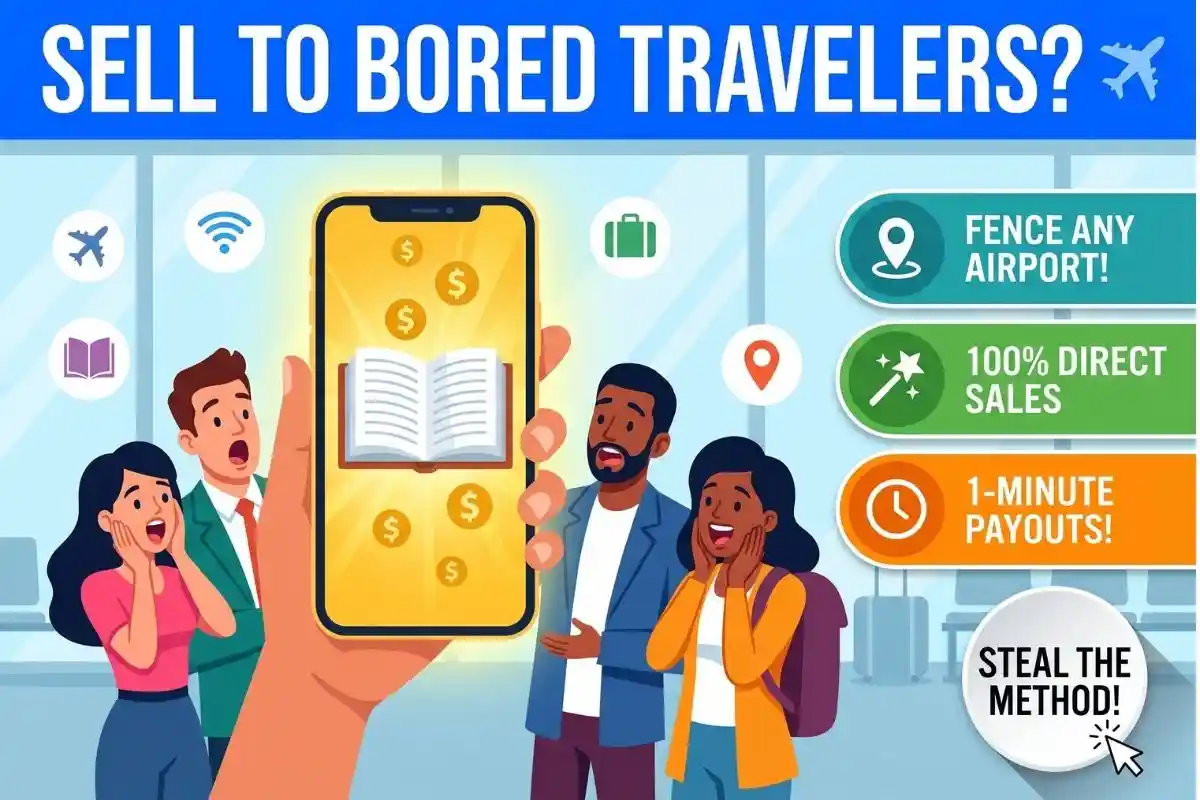
Picture this: you are sitting at a crowded airport gate, waiting for a delayed flight. You have already scrolled through your social media feeds a dozen times, sipped an overpriced cup of coffee, and stared blankly out the window at the tarmac. You are deeply bored. Suddenly, a beautifully designed advertisement pops up on your smartphone screen. It is not an ad for travel insurance or expensive luggage. Instead, it is an ad for a gripping mystery novel, and the tagline reads, “A body found in this exact terminal… Can you solve the mystery before your flight boards?” You are instantly intrigued, and with one tap, you have a new book to read. This scenario is not a coincidence; it is the sheer brilliance of the modern digital marketing landscape. Welcome to the era of Geotargeted Book Ads, a revolutionary strategy that allows savvy authors and publishers to sell copies directly to people who are looking for immediate entertainment. By pinpointing exact locations, authors are transforming idle waiting times into thrilling reading experiences.
The Magic of Location-Based Marketing
Understanding the mechanics behind Geotargeted Book Ads is like peeking behind the curtain of a digital magic show. In essence, geotargeting utilizes a mobile device’s geographic location data—such as GPS signals, IP addresses, or localized Wi-Fi connections—to deliver highly specific and contextually relevant content to the user. When a traveler connects to the free airport Wi-Fi or browses the web on their cellular network while sitting in the terminal, advertising platforms recognize their precise coordinates. For an author, this presents an unprecedented opportunity. Instead of blasting a generic book advertisement to a million random internet users and hoping a tiny fraction might be interested, the author can draw a digital “fence” around major transportation hubs like John F. Kennedy International Airport or London Heathrow. By doing so, they guarantee that their marketing budget is spent solely on individuals who are currently trapped in a waiting area with time to kill and a desperate need for a distraction. The narrative shifts from a generic “Please buy my book” to a highly personalized “I see you have two hours before boarding; here is the perfect thriller to pass the time.” This contextually aware approach drastically increases conversion rates because it intercepts the consumer exactly at the moment their demand for entertainment is at its absolute peak. For a deeper dive into the technical side of how location-based services operate, you can explore the comprehensive Wikipedia page on Geotargeting.
Blending Local Flavor with Search Visibility
However, simply drawing a digital boundary around an airport is only half the battle; the actual message must resonate deeply with the local context. This brings us to the growing importance of Local author SEO. Search Engine Optimization is no longer just about stuffing keywords into a webpage; it is about establishing a robust local footprint that search engines recognize and reward. Consider an author who writes a historical romance set in the Scottish Highlands. They can smartly geotarget ads to passengers waiting for flights specifically heading to Edinburgh or Glasgow. To maximize this strategy, the author’s website and landing pages must be perfectly optimized for local search terms. When that bored passenger clicks the ad, they should land on a page that highlights the author’s local expertise or the book’s deep regional connections. This means optimizing meta descriptions, utilizing location-specific keywords naturally within the text, and creating blog posts about the real-life historical locations that inspired the fictional story. When search algorithms detect this strong local relevance, the author’s overall digital authority rises. Consequently, even when travelers are casually searching for “books to read on a flight to Scotland,” the perfectly optimized local author will appear at the top of the search results, seamlessly bridging the gap between a geographically triggered advertisement and an organically discovered masterpiece.
Bypassing the Traditional Middleman
The ultimate goal of this highly targeted marketing approach culminates in mastering the art of Direct sales 2026. The publishing industry has undergone a massive paradigm shift, moving rapidly away from a heavy reliance on traditional retail giants and monolithic online bookstores. Today, successful authors are building their own dedicated, self-hosted sales funnels. When an airport traveler clicks on a geographically targeted ad, they are not redirected to a cluttered retail marketplace where they might easily get distracted by a competitor’s discounted book or a completely unrelated product. Instead, they are taken straight to the author’s beautifully designed, mobile-optimized digital storefront. Here, the transaction is virtually frictionless. With the integration of seamless digital payment wallets like Apple Pay or Google Pay, the reader can purchase the e-book or audiobook with a single tap, instantly downloading it to their device before their boarding group is even called over the loudspeaker. This direct-to-consumer model is profoundly empowering for creators. It allows authors to retain a significantly higher percentage of their royalties, collect valuable customer email addresses for future book launches, and build an intimate, direct relationship with their readership. The U.S. Small Business Administration provides excellent resources on direct marketing strategies that align perfectly with this modern, independent approach to bookselling.
Crafting the Perfect Airport Ad Campaign
Executing the perfect airport ad campaign requires a strategic blend of human psychology, impeccable timing, and highly creative copywriting. Authors must actively consider the mindset of the modern traveler based on where they are sitting. Someone waiting for a 6:00 AM Monday flight to a major financial hub is likely traveling for business; an ad for a sharp, actionable book on leadership, productivity, or economics will perform exceptionally well if targeted specifically at the business class lounges of these terminals. Conversely, a Friday afternoon flight heading to a tropical destination is packed with vacationers eager to relax and unwind. This is the ideal environment to deploy advertisements for breezy romantic comedies, gripping page-turners, or epic fantasy series that promise a total escape from everyday reality. The ad copy itself must also acknowledge the specific setting to grab attention. Phrasing such as “Long layover?” or “Download your flight’s entertainment in 10 seconds” directly addresses the user’s immediate environment and current pain points. By acknowledging the shared reality of the crowded terminal, the inevitably delayed departure, or the impending long-haul journey, the advertisement ceases to be an annoyance. Instead, it transforms into a highly welcome, personalized recommendation that feels like it came from a thoughtful friend who understands exactly what the traveler needs in that moment.
Data-Driven Storytelling for the Win
To truly leverage this localized marketing strategy, authors must evolve into data-driven storytellers. Every single interaction with a geographically fenced ad provides a wealth of analytics that can be used to refine and optimize future marketing campaigns. For instance, an author might run continuous A/B tests to see whether an ad featuring the striking book cover performs better than an ad featuring a provocative, cliffhanger quote from the first chapter. They can track which specific airports across the country yield the highest click-through rates, successfully identifying lucrative hubs that happen to harbor their ideal target audience. Perhaps a science fiction author discovers that the tech-savvy crowds flying out of San Francisco International Airport engage with their ads at double the rate of passengers in other major cities. This invaluable data allows for precise budget allocation, ensuring that marketing dollars are continuously funneled into the absolute most profitable avenues rather than being wasted on unengaged demographics. Furthermore, consistently engaging with this data fosters an agile mindset, allowing the author to pivot quickly if a particular campaign isn’t resonating with the current crowd. The beautiful intersection of creative writing and analytical marketing is exactly where the modern publishing success story is written today.
Campaign Performance by Location
To illustrate the effectiveness of geotargeting, here is a breakdown of how book ads typically perform across different high-traffic locations. Notice how the combination of wait times and environment impacts the likelihood of a direct sale.
| Target Location | Average Dwell Time | Ad Click-Through Rate (CTR) | Conversion to Direct Sale | Best Performing Genres |
| Major Airport Terminals | 90 – 120 Minutes | 4.8% | 12.5% | Thrillers, Business, Romance |
| Commuter Train Stations | 10 – 20 Minutes | 1.2% | 3.1% | Short Stories, Audiobooks |
| Local Coffee Shops | 30 – 45 Minutes | 2.5% | 6.4% | Literary Fiction, Poetry |
| Hotel Lobbies | 15 – 30 Minutes | 1.8% | 4.2% | Travel Guides, Biographies |
Frequently Asked Questions (FAQ)
Are geotargeted book ads expensive to run for an independent author? They can actually be surprisingly cost-effective. Because you are targeting a very specific, highly limited geographic area (like a single airport terminal), you are not wasting your advertising budget on broad, untargeted impressions across the entire country. You only pay to reach people who are currently in the prime environment to buy a book, making your return on investment much higher.
How do readers actually receive the book while sitting at the airport? The geotargeted ads typically lead directly to a mobile-optimized landing page. From there, readers can securely purchase the book and instantly download the e-book file (compatible with e-readers and smartphone apps) or stream the audiobook directly to their device. The entire process takes less than a minute.
Do I need a massive backlist of books to make direct sales profitable? While having multiple books helps increase the lifetime value of a customer, a single, highly optimized book can still be incredibly profitable. The key to Direct sales 2026 is building a direct relationship. Even if they only buy one book today, you have captured their email address, allowing you to market your next release to them for free.
Is this strategy only effective for travel-related non-fiction books? Not at all! While travel guides certainly perform well in airports, fiction genres like fast-paced thrillers, romantic comedies, and immersive science fiction see massive success. Travelers are primarily looking for engaging escapism to make their flight go by faster, regardless of the genre.
The Final Curiosity
Did you know that reading for just six minutes can reduce stress levels by up to 68%? According to cognitive neuropsychologists, losing yourself in a tightly written book works faster and better than listening to music, drinking a cup of tea, or taking a walk to calm frayed nerves. This makes the airport—a notoriously high-stress environment filled with security lines and delayed departures—the absolute perfect ecosystem for selling books. By combining the precision of Geotargeted Book Ads with the localized authority of Local author SEO, writers are doing more than just mastering Direct sales 2026; they are actively providing a much-needed mental oasis for weary travelers right when they need it the most. The future of publishing isn’t just about writing a great story; it’s about delivering that story to the right person, at the exact right coordinates on the map.

