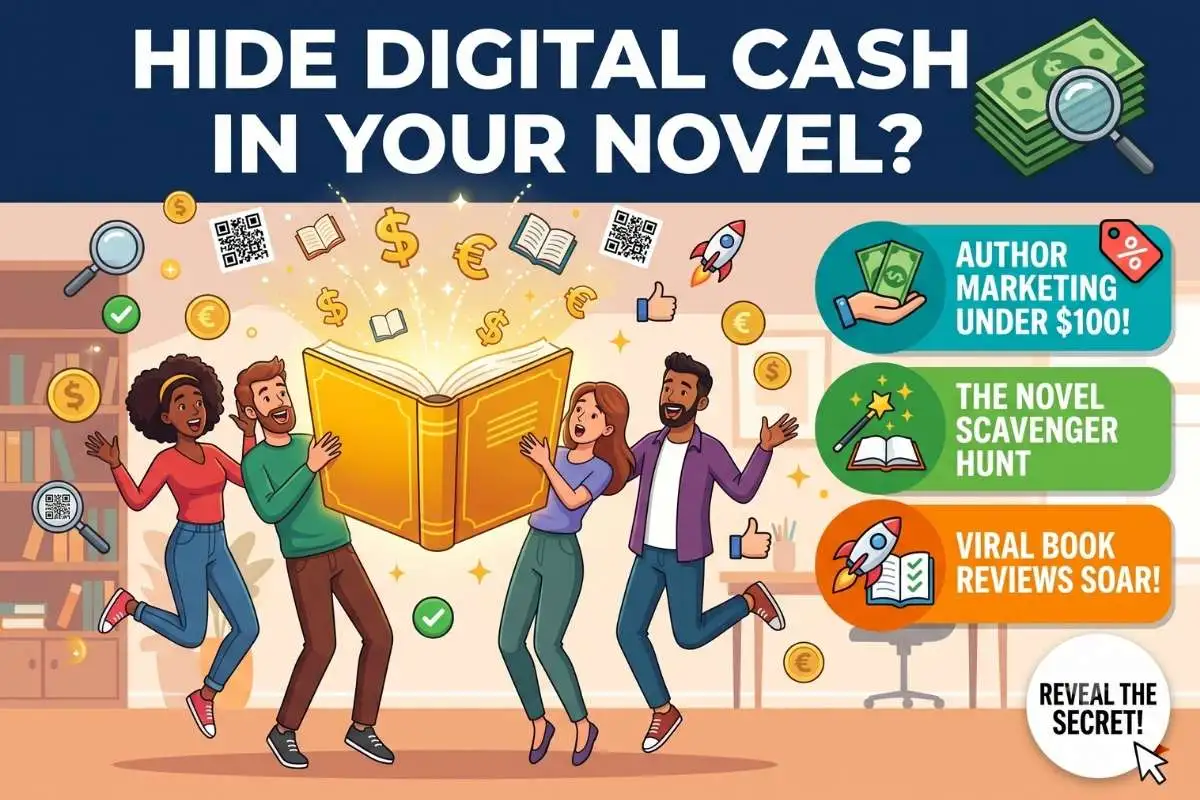
Imagine wrapping yourself in a warm blanket on a quiet evening, cracking open the spine of a thriller, and getting lost in a fictional world. You reach chapter fourteen, notice a subtle pattern hidden within the drop-cap typography, and scan it with your phone. Instantly, a notification pops up: you have just claimed a digital cash token worth twenty-five dollars, rewarded by the author for solving the protagonist’s riddle. This is not a scene from a cyberpunk film; it is the reality of book publishing in 2026. By blending storytelling with digital incentives, authors transform solitary reading into an interactive scavenger hunt that drives massive reader engagement.
The Evolution of Literary Easter Eggs
The practice of hiding secret messages, references, or puzzles within art is centuries old, but the digital age has supercharged this concept into what media theorists call an Easter egg. Traditionally, authors used subtle literary nods, foreshadowing, or clever acrostics to reward their most attentive fans. However, as entertainment options have multiplied, capturing and retaining reader attention has become a massive challenge. Simply writing a compelling narrative is no longer enough to generate organic buzz in a crowded marketplace. Enter the era of gamified reading, where the intellectual satisfaction of discovering a hidden secret is paired with real-world rewards. By embedding digital tokens directly into a novel, authors bridge the gap between passive consumption and active interaction. This evolution taps into fundamental human psychology: we are wired to love puzzles, and we love them even more when a rewarding prize waits at the end of the quest.
How Digital Cash Tokens Work in Print and E-books
Understanding the mechanics of digital cash tokens does not require a computer science degree, as the underlying technology has become remarkably user-friendly by 2026. In practice, an author sets aside a specific promotional budget—say, five hundred dollars—and converts it into secure, claimable digital vouchers using standard online banking platforms. These vouchers are linked to unique QR codes, short URLs, or passphrases cleverly disguised within the book’s layout. For physical editions, graphic designers might conceal these codes inside chapter headings, illustrations, or back-cover patterns. In e-books and audiobooks, tokens can be distributed through hyperlinks or audio prompts directing listeners to a secure landing page. To prevent automated scripts from claiming the entire prize pool, authors often utilize rate-limiting tools, similar to consumer protection standards outlined by the Federal Trade Commission, ensuring the hunt remains fair, accessible, and exciting for every participating reader.
Building Community Through Gamified Reading
The true magic of hiding digital cash in a novel lies not in the financial transaction itself, but in the explosive community engagement it generates across social media platforms. When a reader discovers a hidden token and successfully claims five or ten dollars, their immediate instinct is rarely to stay silent; instead, they take a screenshot, post a video, and share their excitement online. This spontaneous sharing transforms ordinary readers into passionate brand ambassadors for your work. Suddenly, online book clubs and review forums are not just discussing plot twists; they are actively collaborating and theorizing to find the remaining hidden tokens. This phenomenon creates a powerful fear of missing out among prospective readers who rush to buy the book to join the hunt before the prize pool runs dry. Because readers must carefully examine every page, reading comprehension and completion rates soar, leading to more detailed reviews on retail sites.
Legal and Practical Considerations for Authors
While the prospect of gamifying your literary debut is thrilling, authors must navigate a few practical and legal guardrails to ensure a smooth launch. The most critical distinction is the difference between an illegal private lottery and a legal promotional sweepstakes or skill-based contest. In most jurisdictions, if a reader must purchase a book to win a randomized financial prize, it could run afoul of gambling laws. To keep your Easter egg hunt above board, structure it as a game of skill—such as solving a riddle found in the text—or provide a free alternative method of entry, a standard compliance practice documented by the United States Patent and Trademark Office for interactive product designs. Additionally, financial budgeting is paramount; indie authors should treat token pools strictly as a marketing expense, capping total liability at an amount they can comfortably afford to lose, just like purchasing digital advertisements.
Step-by-Step Guide to Implementing Your First Token Hunt
Launching your own Easter egg token campaign requires careful planning and seamless execution during the final publishing stages of your 2026 novel. Begin by defining your narrative integration: decide whether the tokens will be linked to plot-relevant clues, such as a detective’s secret password, or treated as meta-puzzles hidden in the book’s design elements. Next, partner with a reliable digital payment gateway or specialized publishing platform to generate secure claim links, ensuring each link expires after a set number of uses to stay within budget. Once your codes are generated, work closely with your typesetter or cover artist to weave them organically into the manuscript so they feel like a natural extension of the book’s aesthetic. Finally, tease the hunt in your newsletter and marketing materials without giving away exact locations, building anticipation and giving your loyal readers a head start on the adventure the moment your book drops.
Comparing Book Marketing Strategies
To understand why Easter egg tokens are revolutionizing promotional strategies for authors in 2026, it is helpful to compare this innovative technique against traditional book marketing methods across key performance metrics. By shifting funds toward direct reader rewards, authors achieve significantly higher engagement and retention rates.
| Marketing Strategy | Average Campaign Cost | Reader Engagement Level | Viral Social Media Potential | Impact on Book Completion |
| Traditional Digital Ads | $500 – $2,000 | Passive (Click & Browse) | Low | Neutral |
| Virtual Book Tours | $300 – $800 | Moderate (Live Viewing) | Moderate | Neutral |
| Physical Swag Giveaways | $200 – $600 | High (For Winners Only) | Moderate | Low |
| Easter Egg Cash Tokens | $100 – $500 | Extremely High (Active Hunting) | Very High | Extremely Positive |
Frequently Asked Questions (FAQ)
What exactly is a book Easter egg token?
An Easter egg token is a digital voucher, QR code, or secret passphrase hidden within the text, layout, or audio of a book. When a reader finds and decodes the clue, they unlock a small cash reward, discount, or bonus content directly provided by the author to reward their curiosity.
Do readers need cryptocurrency wallets or technical skills to claim a token?
No. In 2026, most token systems rely on standard digital micropayments, retail gift card vouchers, or direct bank transfers via popular peer-to-peer payment apps. The process is designed to be as simple and user-friendly as scanning a restaurant menu QR code with a standard smartphone camera.
How can authors prevent one person from finding all the codes and claiming all the money?
Authors use smart distribution platforms that limit claims by IP address, user account, or device geolocation. Additionally, many campaigns structure rewards so that a specific code can only be redeemed once, or they release clues in staggered waves to give readers in different time zones a fair chance.
Is hiding cash in a novel legally complicated for independent authors?
While promotion laws vary by local jurisdiction, most authors easily avoid gambling restrictions by structuring the hunt as a game of skill—such as requiring readers to solve a simple riddle from the plot—or by providing a free alternative method of entry as required by standard promotion guidelines.
The Future of Reading: When Books Read You Back
As we look ahead in the literary landscape of 2026, the boundaries between storyteller and audience are becoming delightfully blurred. Hiding digital cash tokens in your novel is more than just a clever marketing gimmick; it represents a fundamental shift toward experiential reading. When you give your audience a tangible, rewarding reason to scrutinize your prose, look past the surface of your cover art, and engage with your fictional world on a deeper level, you transform a solitary hobby into a shared adventure. The next time you sit down to draft a chapter, ask yourself not only what your characters will discover, but what secrets you might leave behind for your real-world readers to find. In an age where digital distractions compete fiercely for our attention, a few hidden tokens might just be the secret weapon that keeps readers eagerly turning your pages until the very last word.