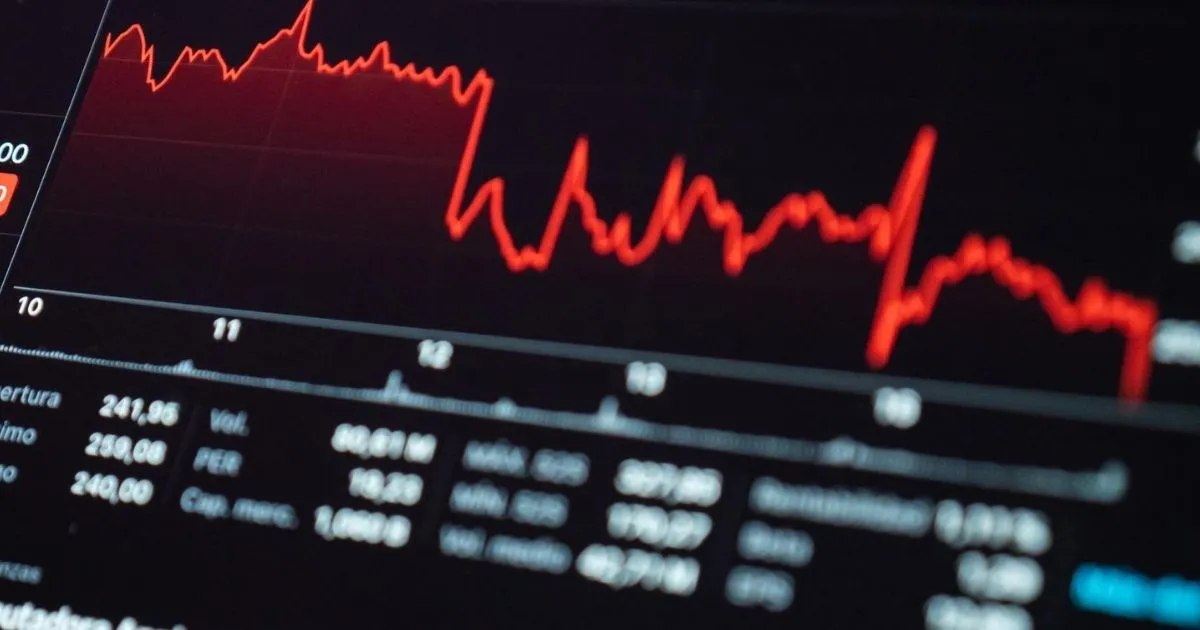
It was a Tuesday morning, the kind where the coffee tastes like copper and the screen glare feels personal. I was staring at the Dow Jones Industrial Average ticker, watching those thirty blue-chip titans dance a slow, synchronized waltz. There is a specific kind of quiet that settles over a trading desk when the numbers stop being just math and start feeling like a pulse. You realize, in those moments, that the market isn’t a calculator. It is a massive, breathing collection of human anxiety and collective hope, dressed up in a suit and tie.
I remember talking to an old floor trader years ago. He told me that the Dow is the world’s most famous rearview mirror. It tells you where the giants have been, while the nasdaq futures live feed is the windshield, splattered with the bugs of tomorrow’s volatility. If you spend enough time watching the spread between them, you start to see the seams of the global economy. You see the moments when capital gets bored with stability and goes hunting for the chaotic energy of tech, only to retreat to the safety of industrials when the wind shifts.
Trading the Future While the Bitcoin Price Screams
The first time I really understood the gravity of bitcoin price action was during a mid-winter liquidity crunch. I was looking at a chart that seemed to defy the laws of physics. People often call it digital gold, but in the heat of a sell-off, it feels more like digital adrenaline. It doesn’t care about your breakfast or your diversified portfolio. It operates on a frequency that most traditional analysts are still trying to tune into. There is a raw, uncurated honesty in the way it moves, a stark contrast to the heavily managed narrative of a corporate earnings call.
I’ve sat in rooms where institutional players discussed digital assets with the same hushed, slightly terrified reverence people used to reserve for the high seas. They want the gains, but they fear the depth. When the bitcoin price starts to decouple from traditional equities, you can almost hear the gears of the old world grinding. It is an uncomfortable sensation, like realizing the floor of your house is actually a very large, very slow-moving ship. You learn to stop looking for a “fair value” and start looking for the psychological levels where the crowd decides to stop running.
The Architecture of Digital Trust and High Stakes
Building something of value in this space—whether it is a portfolio or a platform—requires a certain level of comfortable paranoia. I’ve seen brilliantly constructed sites, beautiful in their utility, get swallowed by the noise because they lacked a soul. They had the keywords, they had the speed, but they didn’t have the “why.” They were just shells. The real value is found in the corners where people are actually talking, where the nuances of nasdaq futures live aren’t just data points but the difference between a good year and a catastrophic one.
There is a specific joy in taking a raw idea and refining it until it becomes a lighthouse for others navigating these waters. It isn’t just about the exit or the payout on a marketplace like Flippa; it is about the craftsmanship of the bridge you built. Every high-performing asset I’ve ever touched had a specific signature, a way of speaking to the reader that said, “I have been in the trenches too.” That is something no algorithm can fake. You can feel the difference between a machine-generated report and a piece of writing that was forged in the fire of a real market move.
We often get caught up in the technicalities of the trade, the margin requirements, and the leverage ratios. We forget that at the end of every trade is a person trying to make sense of an increasingly complex world. Whether you are hedging with the Dow Jones or speculating on the next block, you are participating in a story that is much bigger than your brokerage account. The market doesn’t owe us a profit, and the charts don’t owe us an explanation. All we get is the opportunity to be right more often than we are wrong, and perhaps, if we are lucky, to build something that lasts longer than the next candle.
I often wonder what the markets will look like when the next generation takes over. Will they still look at the Dow Jones as the gold standard, or will they see it as a relic of a physical world that no longer exists? I suspect the truth lies somewhere in the middle. We will always need the giants to hold up the sky, but we will always crave the lightning that comes from the fringe. It is a delicate balance, a constant negotiation between the old guard and the new wave, and I wouldn’t want to be anywhere else but right here, watching the numbers turn.