
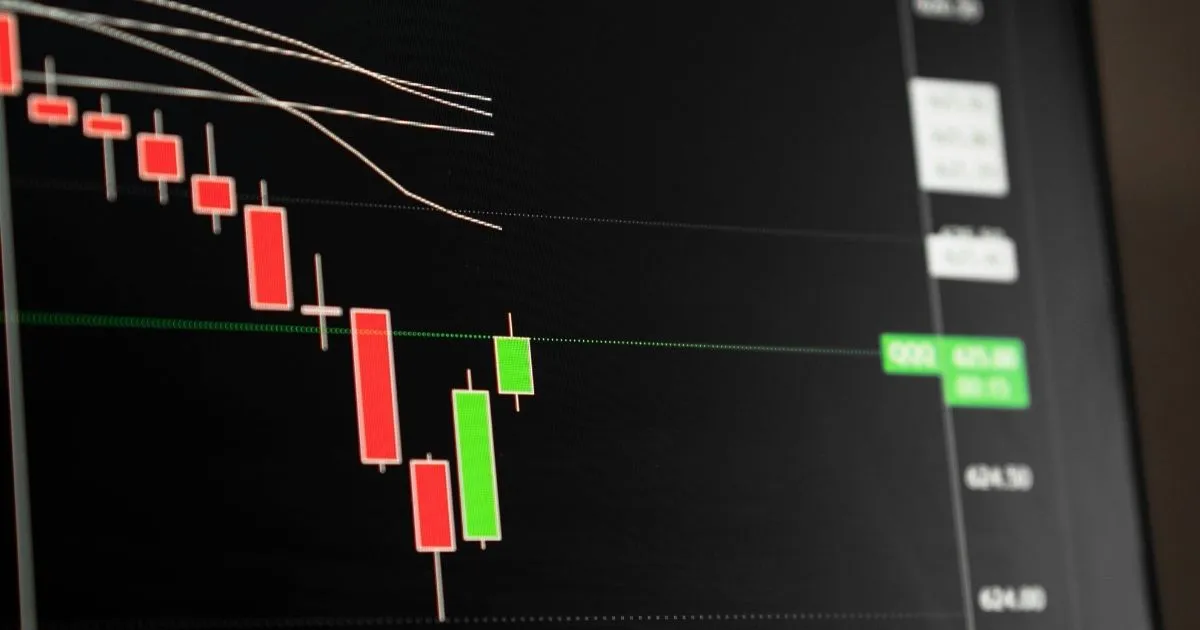
The trading floor doesn’t sound like it used to, but the air still feels the same when a big cycle is turning. It is that heavy, electric static you get right before a summer storm. Walk into any midtown firm this January and you won’t hear shouting, but you will see the “whisper numbers” flickering across private Bloomberg chats and encrypted Slack channels like a secret language. These aren’t the sanitized, polished figures your neighborhood broker pulls from a PDF. These are the real expectations. And right now, for the first time in a few years, those numbers are screaming that the official consensus is dead wrong.
We are seeing a massive surge in these unofficial forecasts because the gap between what companies are saying and what they are actually doing with AI infrastructure has become a canyon. While the public reports talk about “measured growth” and “cautious optimism,” the back-channel data suggests we are on the verge of a capital expenditure explosion that hasn’t been priced in. If you are looking at the standard P/E ratios and thinking the party is over, you’re looking at a map of a city that was torn down last week.
I’ve spent enough time around these desks to know that when the whisper numbers start running 5% or 6% ahead of the official analyst consensus, something is about to break. It’s not just noise. It’s the sound of institutional money positioning itself before the gates open. In 2026, the tech sector isn’t just a category of the market, it is the market. The sheer weight of the capital being poured into the “next phase” of the digital economy has created a gravity well that is pulling everything else toward it.
The Anatomy of a Breakout in the New Data Economy
Spotting a breakout isn’t about finding a stock that is simply “going up.” That’s a trap for people who like to lose money slowly. A real breakout, the kind that changes the trajectory of a portfolio for the year, is a structural event. It’s what happens when the built-up pressure of institutional accumulation finally overcomes the last line of retail skepticism.
If you want to find the winners in this 2026 cycle, you have to look for the stocks that have been “boring” for the last six months. I’m talking about those names that have been trapped in a tight, sideways range while the rest of the world was chasing flashy headlines. This is the consolidation phase. It is where the “smart money” slowly builds a position without moving the needle enough to alert the algorithms. When you see a stock that has been bouncing between the same two price points for months, and suddenly the volume starts to tick up on days where the price doesn’t even move that much, pay attention. That is the ghost in the machine.
The first stock I’m watching has all the hallmarks of a classic accumulation pattern. It sits at the intersection of energy and data centers. While everyone is arguing over which LLM is better, this company is the one actually keeping the lights on. The whisper number on their upcoming quarterly report is nearly 8% higher than the official Wall Street estimate. On the chart, it has formed a beautiful ascending triangle, a shape that looks like a coiled spring. The resistance level is clear, and it has been tested four times. Each time it gets closer to breaking. When it does, the move won’t be a 2% crawl. It will be a gap up that leaves the “wait and see” crowd behind.
The second candidate is a legacy software giant that everyone wrote off as “too big to innovate.” They spent 2024 and 2025 quietly acquiring specialized firms in the cybersecurity space. Now, their integrated platform is starting to show up in the internal procurement lists of Fortune 500 companies. The market hasn’t realized that their margins are about to expand significantly because they’ve finished the expensive part of the integration. They are sitting just below their 200-day moving average, and the RSI is showing a subtle bullish divergence. It’s the kind of setup that looks mediocre to a casual observer but looks like a gold mine to someone who understands technical structural shifts.
Decoding the Silence Between the Earnings Calls
Finding the third breakout candidate requires a bit more intuition. It’s a specialized hardware firm that provides the “connective tissue” for edge computing. Their stock has been punished recently due to supply chain fears that, according to my sources, are entirely overblown. In fact, they’ve managed to secure a private long-term contract with a major cloud provider that hasn’t hit the wires yet. This is where the narrative and the numbers collide.
When you look at the 2026 tech earnings whisper numbers, you start to see a pattern of “hidden beats.” These are companies that are intentionally sandbagging their official guidance to lower the bar, while the insiders know the internal metrics are through the roof. It’s a sophisticated game. If you can spot the stocks where the volume is rising but the news cycle is silent, you’ve found the gap.
I often think about the market as a series of echoes. The news you read today is the echo of a decision made six months ago in a boardroom. By the time it reaches your screen, the opportunity is mostly gone. To win in this environment, you have to trade the signal, not the echo. You have to look at the way the price reacts to “bad” news. If a company misses a secondary metric and the stock refuses to go down, that is a massive bullish signal. It means there are no sellers left. Everyone who wanted out is already gone, and the only people left are the ones with conviction.
The beauty of these three stocks isn’t just in their potential for a 20% or 30% move. It’s in what they represent. They are the early indicators of a broader shift in how value is being created in the 2026 economy. We are moving away from the “growth at any cost” era and into an era of “structural efficiency.” The companies that can prove they are part of that transition are the ones that will see their multiples expand while the rest of the market struggles with interest rate fatigue.
The reality is that most people will miss these breakouts. They will wait for the “all clear” signal from their favorite news anchor or wait until the stock has already cleared its 52-week high by 10%. By then, the risk-to-reward ratio has shifted. The real money is made in the uncomfortable silence of the consolidation phase, where the only thing you have to guide you is a set of whisper numbers and a chart that looks like it’s waiting for something to happen.
I’ve seen this play out enough times to know how the story ends. The breakout happens, the retail crowd rushes in, and the people who bought in the quiet zone start to slowly offload their positions into the strength. It’s the cycle of the street. If you’re paying attention to the surging whisper numbers this month, you’re already one step ahead of the crowd.
We’re at a point where the traditional metrics are failing because the pace of change is faster than the reporting cycle. You can’t rely on a 90-day-old earnings report to tell you what a company is worth today. You have to look at the flow. You have to look at the whisper. And most importantly, you have to be willing to act before the rest of the world realizes what’s actually happening.
