I was sitting in a small coffee shop in Lower Manhattan last Tuesday, watching the rain smear the windows while the green and red tickers flickered on a muted television in the corner. It was one of those mornings where the air felt heavy with a shift I couldn’t quite put my finger on until I looked at the heat maps. For years, we have been conditioned to look at the top left of our screens, toward the titans of Silicon Valley, to see where the money is moving. But lately, those familiar names are looking a bit tired, a bit dusty, like a party that went on two hours too long. Meanwhile, the unglamorous world of Value Stocks 2026 is quietly having a moment that feels less like a fluke and more like a fundamental changing of the guard. There is something profoundly grounding about seeing a steel manufacturer or a logistics firm outperforming a software giant that trades at a hundred times its earnings. It feels like the market is finally coming home to things we can actually touch.
The silent mechanics of a massive stock market rotation
The transition didn’t happen overnight, but this month it became impossible to ignore. We have spent the better part of the decade chasing the ghosts of future earnings, betting on the idea that growth would never hit a ceiling. Now, the ceiling is suddenly very visible. When I talk to peers in the acquisition space, the conversation has moved away from speculative user growth and toward the cold, hard reality of free cash flow. This current stock market rotation is being driven by a realization that while AI is transformative, the companies actually building the physical infrastructure for it are the ones capturing the immediate value. It is a strange irony that the more digital our world becomes, the more we find ourselves relying on the old-world reliability of power grids, heavy machinery, and physical supply chains.
I find myself looking at the earnings reports of traditional industrials with a sense of relief lately. There is a transparency there that you just don’t get with high-flying tech. You can see the inventory, you can measure the output, and you can understand the margin without needing a degree in advanced algorithmic theory. This month, the capital that was parked in over-leveraged tech firms is flowing into these sectors like water finding its level. It isn’t just about safety, though that is certainly part of it. It is about a collective fatigue with the “disruption” narrative. Sometimes, you don’t want a sector to be disrupted; you just want it to work efficiently and pay a dividend. The market seems to be agreeing with that sentiment, rewarding the boring over the breathtaking for the first time in what feels like an eternity.
There is a certain rhythm to these cycles that younger investors often miss. They see a dip in tech and call it a buying opportunity, but they ignore the slow-motion gravity that pulls capital toward underpriced assets. We are seeing a reset of expectations where “reasonable” is the new “revolutionary.” The appetite for risk hasn’t vanished, but the definition of risk has changed. Today, the real risk feels like holding a company that has no path to profitability in a world where capital is no longer free. In contrast, holding a stake in a company that owns the literal ground it stands on feels like a radical act of common sense.
Revaluing the tangible power of industrial assets
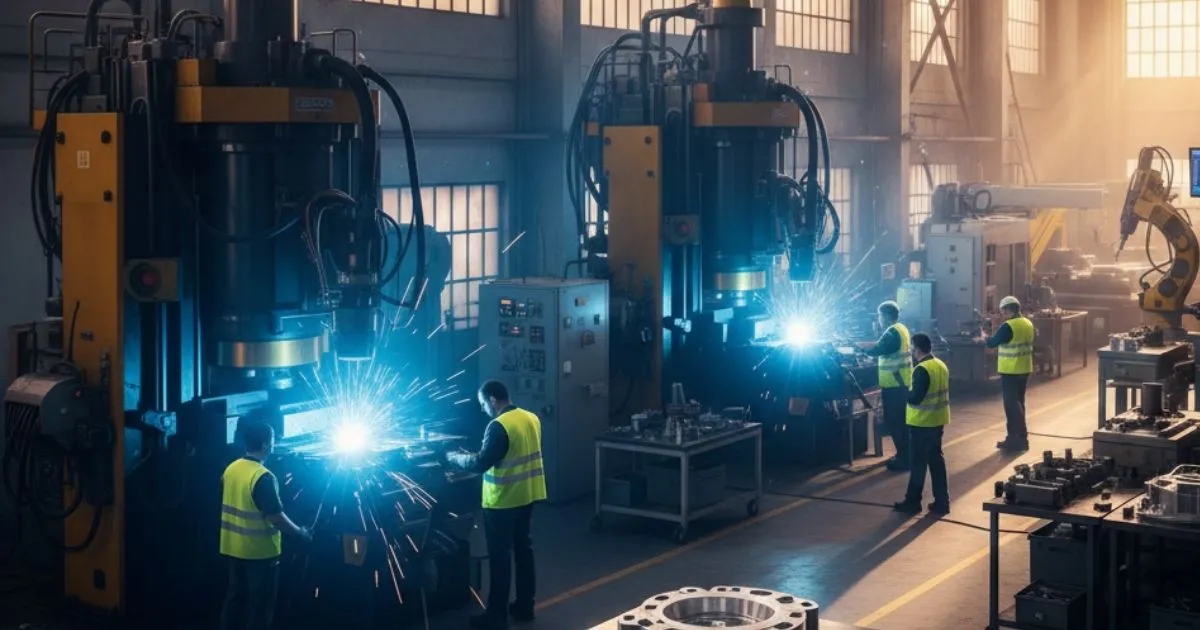
When you look at the balance sheets of the companies leading the charge this quarter, you see a common thread. These are businesses with deep moats built not out of code, but out of permits, patents, and physical presence. The rise of industrial assets as a preferred vehicle for wealth preservation is a testament to the fact that we are entering a more pragmatic era. I was looking at a mid-cap manufacturing firm last week that had been ignored for five years. It wasn’t flashy. It didn’t have a sleek app. But it had a 12% profit margin and a dominant position in a niche market that every tech company needs to function. It is these “picks and shovels” businesses that are the true winners of the 2026 revival. They aren’t trying to change the world; they are just making sure the world keeps spinning.
The shift is also a reflection of a broader economic reality where inflation and interest rates have stayed stubbornly high enough to make “growth at any cost” a losing strategy. In this climate, a bird in the hand is worth much more than two in a hypothetical future cloud. I’ve noticed that the most successful portfolios right now are those that leaned into the tangible early. There is a specific kind of confidence that comes from owning a business that provides an essential service. Whether it is a regional waste management firm or a specialized parts supplier, these entities have a pricing power that software-as-a-service companies are starting to envy. They can raise prices because their customers have no other choice. That is a moat you can’t easily replicate with a new feature or a marketing campaign.
I often wonder if we will look back at the early 2020s as a period of collective hallucination regarding valuations. The correction we are seeing now feels like a healthy return to fundamentals. It is a reminder that at the end of every digital transaction, there is a physical reality. There is a truck, a warehouse, a power plant, or a factory. By focusing on the assets that underpin our daily existence, investors are finding a level of stability that has been missing for years. It is less about chasing the next big thing and more about recognizing the value of what has been right in front of us all along. The beauty of this revival is that it isn’t based on hype. It is based on the quiet, steady hum of industry doing what it does best.
As the month draws to a close, the trend shows no signs of reversing. The gap between the dreamers and the doers is widening, and for the first time in a long time, the doers are winning. I find myself checking the prices of regional banks and energy providers with more excitement than I ever felt for a social media IPO. There is a narrative here that is much more compelling than “disruption.” It is a narrative of resilience, of longevity, and of the enduring power of things that are real. Whether this persists through the rest of the year remains to be seen, but for now, the smart money is moving toward the smoke stacks and the assembly lines. Perhaps we all just needed a reminder that even in a digital age, we still live in a physical world. It makes me think about what else we might have undervalued in our rush toward the future.