
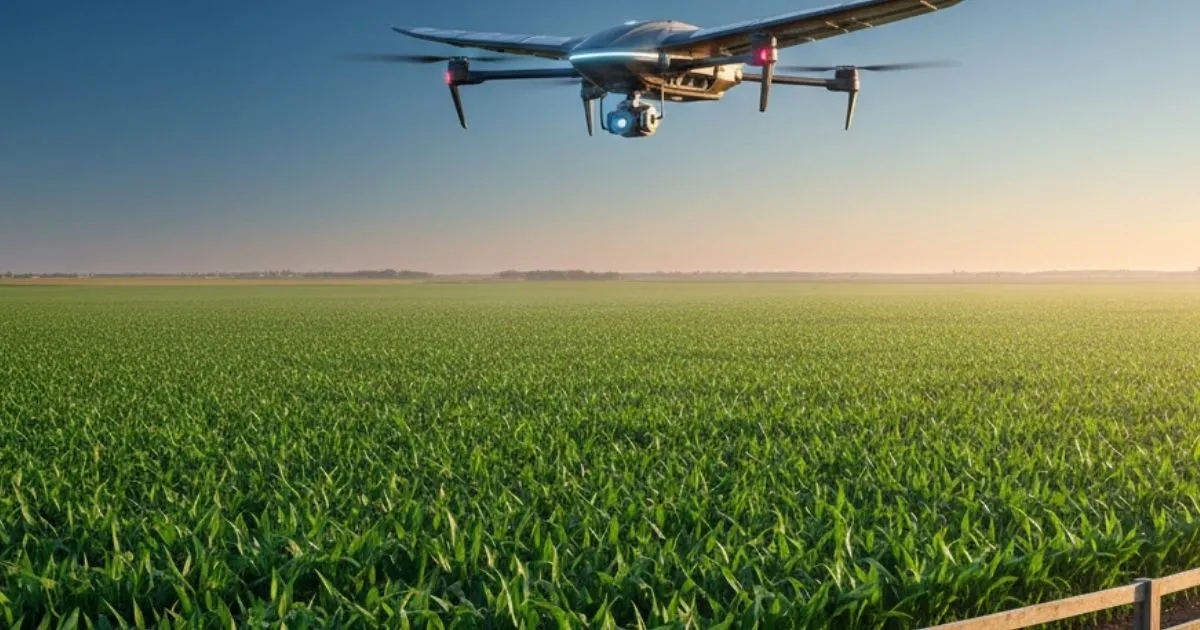
The dust hasn’t quite settled on the early 2020s, yet here we are in 2026, watching a familiar story play out with a much more disciplined cast of characters. I remember sitting in a midtown coffee shop three years ago, listening to a group of analysts dismiss the dirt under our feet as a legacy play, something for the bored billionaire or the sentimentalist. They were wrong. Today, the conversation has shifted from speculative digital gold to the literal gold of the earth. The concept of a farmland investment has evolved from a niche alternative into the cornerstone of the sophisticated portfolio. It is the ultimate quiet performer. While the headlines chase the latest AI-driven volatility or the fluctuations of decentralized finance, the smart money is looking at the horizon. They are looking at the 2026 “Real Asset” Hedge.
There is a certain gravity to land that you just cannot find in a spreadsheet. I was walking through a stretch of the Delta region recently, talking to a grower who has seen the cycles come and go. He pointed out that while you can print money and you can certainly mint new tokens, you cannot manufacture another acre of high-quality silt loam. This scarcity is the silent engine of the current market. We are seeing a 2026 portfolio strategy that prioritizes resilience over raw speed. People are tired of the whiplash. They want something that grows while they sleep, something that isn’t dependent on a CEO’s morning tweet or a sudden shift in interest rate sentiment.
The Resilience of the 2026 Portfolio and the Shift Toward Tangible Yield
We have moved into an era where “diversification” is no longer just a buzzword used to sell mutual funds. It is a survival tactic. The modern investor is looking for low correlation, and few things are as disconnected from the standard equity markets as a well-managed farm. When the tech sector takes a breather or the bond market starts to sweat, the world still needs to eat. It is that simple, and that profound. In 2026, we are seeing a significant migration of capital into what I call the “foundational layer” of the economy. This isn’t just about owning a piece of dirt, it is about owning a piece of the global supply chain that cannot be disrupted by a software glitch.
Investors are becoming much more discerning about what constitutes a quality asset. They aren’t just buying anything with a fence. They are looking at water rights, soil health, and the technological readiness of the operation. I’ve noticed that the most successful acquisitions lately involve properties where the infrastructure is already optimized for precision agriculture. This is where the yield is found. It is the difference between a legacy operation and a 2026-ready enterprise. The market is rewarding those who understand that the future of agriculture is a high-tech endeavor disguised as a traditional one.
Finding Stability in a Real Asset Hedge Amidst Global Economic Fluctuations
The macro environment of 2026 has been a series of reminders that tangible assets are the best defense against currency volatility and inflation. I often find myself explaining to clients that a real asset hedge isn’t just a defensive move, it is a strategic positioning for a world with eight billion people. The supply-demand curve for arable land is one of the few things in economics that feels truly inevitable. We are seeing land values stabilize and, in many regions, begin a steady climb that reflects the long-term reality of food security.
There is also the matter of the “secondary income” that many of these properties now provide. Between carbon sequestration credits and the integration of renewable energy projects on non-arable corners of the land, the revenue model for a farm has become much more complex and rewarding. It is no longer just about the price of corn or soybeans. It is about the total ecosystem value. I spoke with a fund manager last week who mentioned that their farmland holdings were the only part of their book that hadn’t seen a red month in three years. That kind of consistency is intoxicating to an institutional buyer, but it is just as accessible to the individual who knows where to look.
The barriers to entry have also crumbled. You no longer need to be a descendant of a farming dynasty to own a piece of the action. The rise of specialized agencies and streamlined acquisition platforms has democratized the process. However, the nuance of the deal still requires a human touch. You still need to know the history of the water table, the reputation of the local operators, and the long-term zoning plans for the county. This is where the art of the deal meets the science of the soil.
I think back to that coffee shop in midtown. The analysts there were looking at the screen, but they should have been looking out the window at the world. The world is built on land. It always has been. In 2026, the realization has finally sunk in for the broader market. We are seeing a flight to quality that isn’t just a temporary trend, it is a structural realignment of how wealth is preserved.
The beauty of this asset class lies in its lack of drama. There is no frantic checking of tickers at 2:00 AM. There is only the steady, seasonal rhythm of the earth. For someone who has spent a career navigating the choppy waters of traditional finance, there is something deeply grounding about an investment you can actually stand on. It feels like coming home to a version of capitalism that actually makes sense. As we move deeper into this decade, the gap between those who own productive assets and those who merely trade paper is going to widen.
So, where does that leave the modern investor? It leaves them at a crossroads. You can continue to chase the ghosts of the digital age, or you can look toward the foundation. The opportunity isn’t just in the ownership, it is in the stewardship. The most profitable farms of the next decade will be those managed with an eye toward sustainability and efficiency. They will be the ones that feed the world while providing a bulletproof hedge for their owners. It is a rare win-win in a world that often feels like a zero-sum game.
The sun is setting on the era of easy, invisible gains. The dawn of the tangible asset is here, and it is glowing over a well-tilled field. Whether you are looking at a small specialty orchard or a sprawling thousand-acre row-crop operation, the fundamentals remain the same. Land is the only thing they aren’t making more of, and in 2026, that is the only certainty we have left. It makes you wonder why we ever looked anywhere else.
