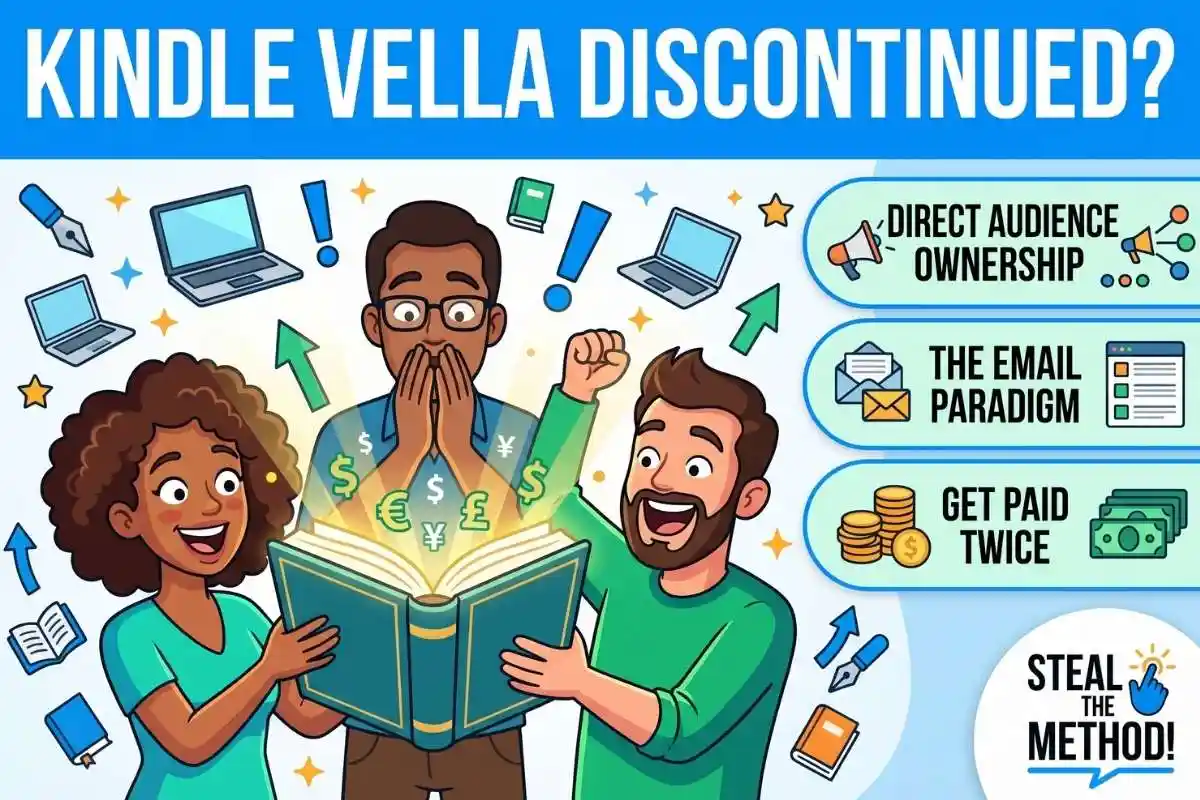
For years, independent authors seeking to break into the serialized fiction market viewed Amazon’s Kindle Vella as the ultimate digital frontier. Launched with massive financial backing and the promise of algorithmic discovery, the platform aimed to capture the smartphone-reading generation by delivering bite-sized narrative episodes directly to their screens. However, a profound migration is underway this summer as disillusioned writers pack up their manuscripts and transition toward independent newsletter platforms. Rather than relying on a centralized retail giant that dictates reading mechanics and royalty distributions, modern storytellers are reclaiming their creative autonomy. By serializing novels directly to their core audiences via email, indie authors are transforming a simple communication tool into a thriving, self-sustaining publishing ecosystem that prioritizes genuine human connection over unpredictable algorithmic whims.
The Flawed Token Economy and Platform Disillusionment
The primary catalyst driving authors away from Kindle Vella has been its convoluted monetization structure, which ultimately alienated both creators and readers. Amazon relied on a complex token system where consumers purchased digital currency bundles to unlock individual episodes, obscuring the actual financial cost of a story and creating unnecessary purchase friction. Furthermore, the tech giant recently shocked the indie publishing community by announcing the complete discontinuation of the platform, forcing writers to scramble for viable alternatives before the digital doors close entirely. For deeper historical context on how episodic releases have traditionally functioned without digital token barriers, readers can explore Wikipedia’s comprehensive overview of Serial Literature. Authors who invested years building extensive backlists on Vella discovered that when a centralized retail platform shifts its corporate priorities, independent creators are the ones left holding the wreckage. This harsh reality has sparked a widespread re-evaluation of digital sharecropping among career authors.
The Substack Sanctuary and Direct Audience Ownership
In stark contrast to Amazon’s walled garden, Substack offers independent fiction writers the holy grail of sustainable digital commerce: direct and unfiltered ownership of their mailing lists. When an author serializes a book on Substack, every reader who subscribes becomes a permanent contact in that writer’s personal database, immune to sudden algorithm updates or corporate platform shutdowns. If a creator decides to leave the newsletter service tomorrow, they can export their entire subscriber list and set up shop elsewhere without losing a single fan. This fundamental shift from renting an audience to owning a community has redefined indie publishing economics. Additionally, understanding the legal foundations of securing digital rights in these independent endeavors is critical; writers can consult the U.S. Copyright Office for official guidance on protecting serialized digital publications. By removing the corporate intermediary, authors receive direct financial support from readers who genuinely value their creative voice.
Pacing, Craft, and the Email Delivery Paradigm
Transitioning from standard retail distribution to email serialization demands a profound evolution in an author’s foundational writing craft. Writing a novel meant to be consumed in a single weekend sitting requires a slow, overarching build-up of dramatic tension, but serializing across weekly dispatches necessitates a completely different structural rhythm. Authors migrating to newsletter delivery must treat every single installment as both a profoundly satisfying standalone narrative unit and an irresistible invitation to open the next email. The most successful independent serializers craft their chapters to fit within a ten-minute reading window, carefully managing pacing arcs so that readers experience consistent emotional pay-offs rather than frustrating, manufactured cliffhangers. This episodic cadence fosters a deeply intimate, diaristic relationship between the narrator and the reader, transforming the morning inbox check into an eagerly anticipated literary ritual.
Financial Realities and the Dual-Revenue Horizon
Beyond creative control and narrative craft, the financial realities of newsletter serialization offer a far more predictable path to a full-time livelihood. On traditional episodic apps, royalties fluctuate wildly based on obscure bonus pools and fragmented micro-transactions that rarely add up to a livable wage. Substack’s subscription model, however, establishes a stable, recurring monthly revenue stream where a dedicated cohort of a few hundred true fans can entirely fund an author’s creative output. Furthermore, because writers retain the right to bundle their completed serials into traditional digital and print books immediately upon conclusion, they effectively get paid twice for the exact same manuscript. This dual-revenue model allows independent storytellers to finance their professional editing, gorgeous cover designs, and marketing campaigns upfront, entirely eliminating the financial anxiety that traditionally accompanies high-stakes book launches.
Comparing the Ecosystems: Platform vs. Homestead
To truly comprehend why the indie fiction community is undergoing a massive strategic realignment this summer, one must examine the stark structural differences between these two competing publishing philosophies. The departure from centralized retail apps toward independent creator ecosystems is not merely a transient trend; it represents a fundamental divergence in how artistic value is generated, distributed, and monetized in the modern era. While legacy tech platforms prioritize customer retention within their proprietary ecosystems by utilizing obscure digital currencies, direct-to-consumer newsletter services empower creators with transparent financial terms and portable data. The accompanying comparison matrix illustrates the core operational disparities that have ultimately convinced independent novelists to abandon gated applications and establish their own sovereign digital homesteads.
| Feature / Attribute | Kindle Vella (Centralized Retail) | Substack Fiction (Direct Creator Homestead) |
| Monetization System | Obscure digital tokens purchased in bulk by readers | Direct monthly or annual cash subscriptions |
| Audience Ownership | Zero creator access; Amazon owns all customer data | Complete portability; authors own their CSV email lists |
| Royalty Distribution | 50% of token value plus fluctuating corporate bonuses | 90% of subscription revenue after standard platform fees |
| Content Exclusivity | Strict publishing lock-ins and availability restrictions | Complete freedom to republish anywhere simultaneously |
| Reader Engagement | Gamified thumbs-up, polls, and weekly crown favorites | Direct email replies, vibrant comments, and community threads |
Frequently Asked Questions
Can authors republish their serialized newsletter fiction as standard books?
Yes, absolutely. One of the most liberating aspects of serializing fiction across independent newsletter platforms is the complete retention of your intellectual property and publication rights. Unlike strict digital platforms that enforce rigid exclusivity windows or complicated content takedown procedures, direct email distribution allows authors to seamlessly transition their completed episodic works into traditional retail formats. Once the final serialized chapter has been delivered to your dedicated email subscribers, you can immediately compile the finalized manuscript into a polished ebook, paperback, or hardcover edition. This enables writers to distribute their work across global retail channels like Amazon KDP, Apple Books, and local independent bookstores without facing any contractual penalties or artificial delays.
How do fiction writers discover new readers without algorithmic platform promotion?
While stepping away from an algorithmic marketplace requires a proactive approach to audience building, independent authors are leveraging collaborative network effects to achieve remarkable organic growth. Rather than waiting for a black-box retail algorithm to recommend their stories, newsletter novelists actively utilize cross-promotional tools, author recommendations, and guest appearances within the broader digital writing community. When an established non-fiction essayist or a fellow genre writer recommends your fiction publication to their established audience, the resulting subscriber conversion rates vastly outperform traditional paid advertisements. Additionally, offering the first several chapters of a serialized novel entirely for free encourages enthusiastic readers to forward dispatches to friends, transforming word-of-mouth excitement into a highly effective, decentralized discovery engine.
Curiosity: The Victorian Roots of the Modern Digital Serial
Although delivering episodic fiction straight to a digital inbox feels like a cutting-edge technological innovation, modern independent authors are actually participating in a glorious revival of a centuries-old literary tradition. During the nineteenth century, legendary literary giants such as Charles Dickens, Alexandre Dumas, and George Eliot did not launch their masterworks as heavy, completed hardcovers. Instead, captivating tales like The Count of Monte Cristo and The Pickwick Papers were serialized in daily and weekly newspapers, keeping entire nations perched on the absolute edge of their seats. Victorian readers would famously crowd harbor docks waiting for the latest print installments to arrive by ship. By abandoning restrictive modern apps and embracing direct, episodic newsletter dispatches, today’s indie authors are successfully bridging the gap between historical storytelling magic and modern creative sovereignty.