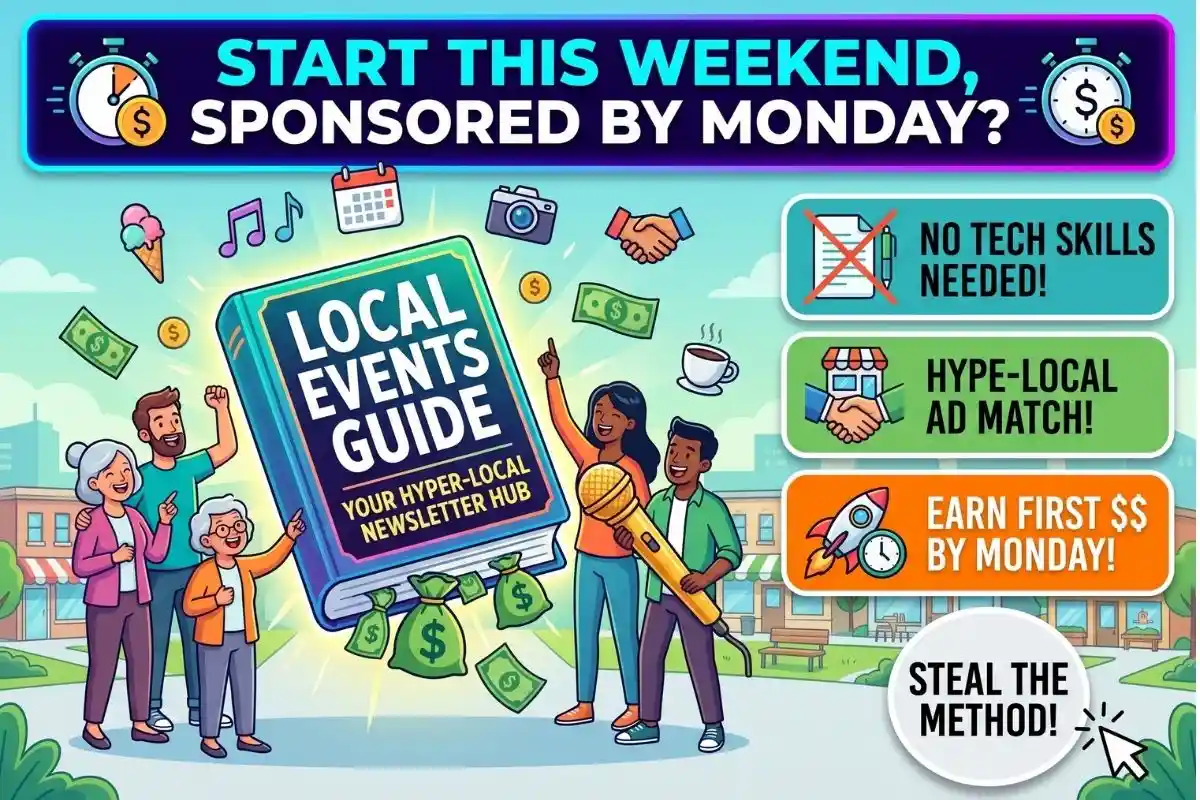
Imagine waking up on a beautiful Saturday morning in your hometown, grabbing a fresh cup of coffee, and realizing you have absolutely no idea what is happening around you this weekend. You are certainly not alone in this feeling. Millions of people crave a deeper, more meaningful connection to their immediate surroundings but find themselves lost in the overwhelming noise of global algorithms and broad social media feeds. This is exactly where the incredible opportunity of launching a community-focused newsletter comes into play. If you have a single weekend to spare and a genuine desire to connect your neighbors with fun activities, you can build a highly valuable digital asset right from your living room.
The Power of Neighborhood Curation
For decades, the foundation of community awareness was built upon the reliable delivery of the daily or weekly town newspaper. However, as digital media has evolved, we have witnessed a significant shift away from traditional print, leaving a massive void in neighborhood-level reporting. This phenomenon has given rise to the immense value of Hyper-Local News. Unlike national broadcasting, hyper-local platforms focus specifically on a single town or neighborhood. People naturally want to know about the new bakery opening downtown or the free concerts happening in the park this weekend. According to the Wikipedia entry on Local News, local journalism has always been the bedrock of civic engagement. When you create a newsletter dedicated strictly to summer events, you are providing a highly sought-after utility that algorithms simply cannot replicate.
Setting Up Your Weekend Guide
The beauty of this venture lies in its absolute simplicity and the sheer speed at which you can move from a basic idea to a fully functioning publication. You do not need a background in web development or a degree in journalism to get started. By choosing a user-friendly platform, you can have your summer events newsletter live in a matter of minutes. The first step is to pick a catchy, recognizable name that instantly tells your neighbors what the publication is about. Once your digital storefront is set up, the real work begins: curation. You will need to scour municipal websites, library bulletin boards, local Facebook groups, and physical flyers. Your goal is to compile a comprehensive, easy-to-read list of everything happening from Friday evening to Sunday night.
Securing Your First Supporter
Now, you might be wondering how curating a simple list of weekend activities translates into a profitable venture so quickly. The secret ingredient here is highly targeted Small business marketing. Local brick-and-mortar stores and restaurants face an uphill battle when trying to reach customers. They often waste precious advertising budgets on broad campaigns that show ads to people living far away. Your hyper-local newsletter solves this exact problem by offering an audience that is entirely geographically relevant. When a local ice cream parlor sponsors your newsletter, they know with absolute certainty that every reader lives close enough to visit. To get sponsored by Monday, you simply need to build a prototype over the weekend, compile a list of local businesses, and send them a friendly pitch offering a low-cost sponsorship spot.
Building Sustainable Revenue
While securing that first local sponsor is an exhilarating milestone, it is just the tip of the iceberg when it comes to long-term Substack monetization. As your subscriber base grows and your weekly emails become an indispensable part of your community’s weekend routine, your revenue streams can diversify significantly. Initially, your income will likely rely entirely on these direct, flat-rate sponsorships from local businesses eager to reach your dedicated audience. However, as you build trust and authority, you can easily introduce a paid subscription tier. While the core event list should remain free, you can offer premium content to paid subscribers, such as exclusive interviews or early-bird access. Guidance from the U.S. Small Business Administration (SBA) emphasizes the importance of diversified revenue streams to ensure long-term prosperity.
Scaling Your Local Empire
The final piece of the puzzle is maintaining the momentum you have generated and scaling your publication throughout the busy summer months and beyond. It is entirely normal to feel a burst of energy during the launch phase, but consistency is the true hallmark of a successful hyper-local newsletter. To avoid burnout, you must establish a reliable, repeatable workflow. Dedicate specific blocks of time during the week to gather your event data, write the core content, and schedule the email to blast out early Friday morning. As your audience expands, encourage your readers to submit their own events, effectively turning your community into a decentralized team of volunteer reporters. By consistently delivering high-quality, actionable information, you turn a weekend side hustle into a powerful local institution.
Potential Revenue Projections
| Subscriber Count | Expected Open Rate | Suggested Weekly Sponsorship | Monthly Revenue Potential |
| 100 – 500 | 60% – 70% | $25 – $50 | $100 – $200 |
| 500 – 1,000 | 55% – 65% | $50 – $100 | $200 – $400 |
| 1,000 – 3,000 | 50% – 60% | $150 – $250 | $600 – $1,000 |
Frequently Asked Questions
Do I need a massive audience to secure my first local business sponsor?
You absolutely do not need a massive, thousands-strong audience to secure your very first local sponsor, which is one of the most common misconceptions for beginners. Local businesses care far more about the density and relevance of your audience rather than the inflated vanity metrics often seen on traditional social media. If you have just fifty subscribers, but every single one of those individuals lives within a three-mile radius of a local coffee shop, that is a highly valuable demographic for that owner. When you pitch your newsletter, focus entirely on this hyper-local alignment. Explain that your readers are their direct neighbors looking to spend their weekend leisure budget in town. This targeted approach guarantees value from day one.
How much time does it actually take to run this weekly publication?
The time commitment required to run a successful summer events newsletter is surprisingly manageable, provided you establish a strict and efficient workflow from the very beginning. During your first few weeks, you might spend around five to seven hours as you figure out the best local sources for information and design your template. However, once you have your systems in place, the weekly maintenance drops significantly. By knowing exactly which websites and boards to check, the curation process can be completed in just about two hours. Writing the introduction and formatting the email takes another hour or two. Ultimately, you are looking at a realistic commitment of roughly four hours per week, making it an ideal side project.
The Curiosity of the Community Builder: A Final Summary
Here is a fascinating curiosity about the digital media landscape: as the internet has grown more expansive and globally connected, human beings have simultaneously developed a deeper psychological yearning for the intensely local. This phenomenon dictates that the smaller and more specific your geographic niche becomes, the higher your audience engagement rates will ultimately soar. While massive national publications struggle with open rates hovering around twenty percent, it is incredibly common for well-curated local newsletters to see open rates exceeding sixty percent. People care deeply about what is happening in their own backyards. By starting your summer events Substack today, you are not just launching a simple newsletter; you are actively weaving the social fabric of your town together, helping neighbors discover local art, and supporting small business growth. Take the leap this weekend.