The air in the private lounges of Davos this year has a different scent. It is not the usual clinical aroma of central bank policy or the heavy perfume of old-world manufacturing. Instead, there is a distinct, low-frequency hum of digital infrastructure. I was sitting with a portfolio manager from a Gulf-based fund recently, and he didn’t want to talk about oil futures or the stagnant European bond market. He wanted to talk about the heat signatures of data centers. Specifically, the kind that churn through hashes.
It seems the script for institutional crypto has been rewritten under our noses. While the public was busy watching the zig-zag of spot prices, the real money—the patient, generational capital held by sovereign wealth funds—quietly shifted its gaze from the coin to the machine. There is a certain irony in seeing some of the world’s most conservative balance sheets suddenly find comfort in the industrial grit of Bitcoin mining. But when you look at the fiscal math of 2026, the pivot is not just logical, it feels almost inevitable.
The industrialization of Sovereign Wealth BTC and the search for yield
The narrative used to be simple. If a nation-state or a multi-billion dollar fund wanted exposure to digital assets, they bought the asset. They filled cold storage wallets and waited. But 2026 has introduced a level of sophistication that makes direct spot holding feel like a rudimentary first step. Sovereign wealth funds are increasingly viewing Bitcoin miners as energy-infrastructure plays rather than just speculative tech bets.
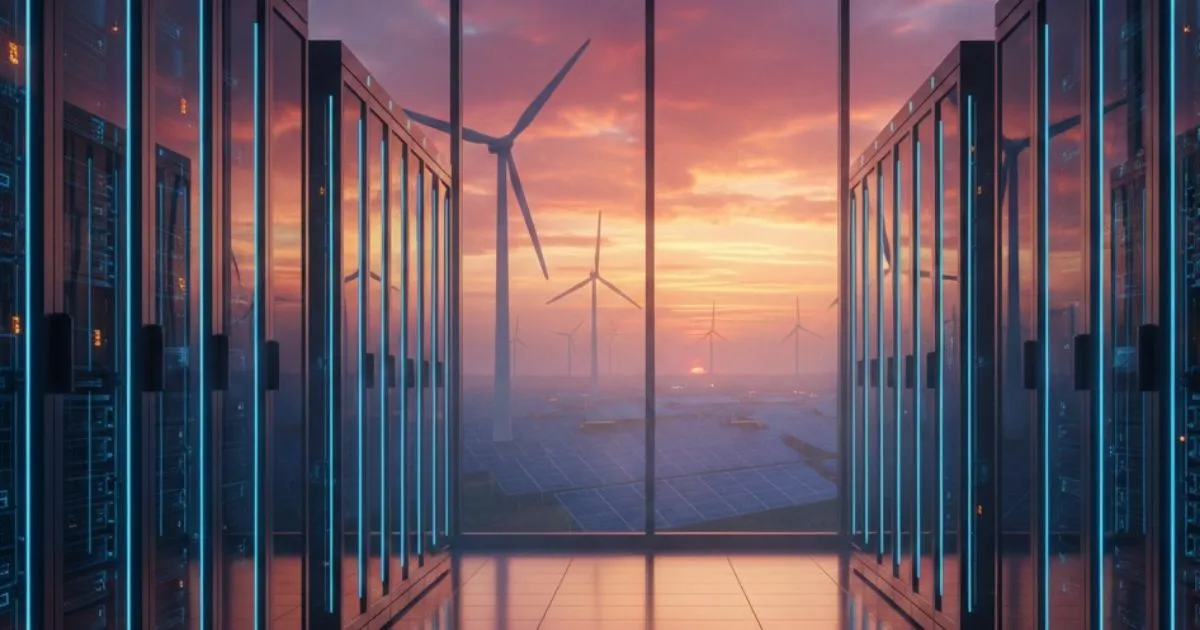
I see this most clearly in how these funds are treating their energy surpluses. In regions where renewable energy projects have outpaced the local grid’s ability to consume it, Bitcoin mining has become the “buyer of last resort.” It is a beautiful, if somewhat cold, piece of economic engineering. A sovereign fund can now take stranded energy—wind power in a remote desert or hydro in a mountain range—and turn it into a liquid, globally tradable asset without ever needing a transmission line. This isn’t just about Sovereign Wealth BTC as a reserve asset anymore. It is about converting a physical resource into a digital one.
The shift is visible in the cap tables of the largest mining operations. We are seeing a move away from the frantic, high-leverage growth of the early 2020s toward a more staid, utility-like model. When a sovereign fund enters the space, they aren’t looking for a ten-bagger in six months. They are looking for a way to hedge against the erosion of fiat purchasing power while simultaneously building out their domestic data-processing capabilities. This dual-purpose investment strategy is the hallmark of the 2026 institutional playbook. It is no longer about the “if” of digital assets, but the “how” of the infrastructure that supports them.
Institutional crypto and the re-rating of mining stocks 2026
The market for mining stocks 2026 has undergone a fundamental transformation. For years, these companies were treated like high-beta proxies for the underlying asset. If Bitcoin went up ten percent, the miners went up twenty. If it fell, they cratered. But the entrance of institutional crypto capital has begun to decouple these valuations from the daily noise of the spot market.
What we are witnessing is a massive flight to quality. The funds I speak with are no longer interested in the “garage-band” miners of the past. They are looking for vertically integrated giants that own their power sub-stations and have fifty-year leases on land. They are looking for companies that have diversified into high-performance computing and AI training, using their Bitcoin mining as a foundational base-load that pays the bills while they scale into more complex data services.
This maturation of the sector is creating a curious gap in the market. On one hand, you have the mega-cap miners that are becoming the new blue chips of the energy sector. On the other, you have a dwindling pool of smaller, less efficient players who are being swallowed up or simply fading away. For the institutional investor, the focus has narrowed significantly. They want the miners that look and act like traditional infrastructure assets. They want transparency, ESG-compliant energy sourcing, and a management team that knows more about power grid frequency than Twitter memes.
I often wonder if the retail crowd realizes how much the floor has been raised. When a state-backed fund takes a significant stake in a mining operation, they are essentially underwriting the security of the network. They are providing the kind of long-term, low-cost capital that allows a miner to weather a multi-year bear market without breaking a sweat. This makes the entire ecosystem more resilient, but it also means the days of “easy” alpha from catching a random mining pump are likely over. The professionals have arrived, and they brought their own thermometers.
There is a palpable sense that we are moving toward a world where the distinction between a “tech company” and an “energy company” is finally dissolving. In my conversations, the word “sovereignty” comes up more than “profit.” Nations are realizing that having control over their own hashing power is as much a matter of national security as having control over their own food supply or telecommunications. If the financial system of the future is built on these rails, then owning the machines that lay the tracks is the ultimate long-term play.
It is a strange time to be an observer of these markets. The volatility that used to define the space is being dampened by the sheer weight of institutional capital. These funds move slowly, like glaciers, but they reshape the landscape entirely as they pass through. They are looking for stability in a world that feels increasingly fractured, and they have found it in the most unlikely of places: a decentralized network of humming silicon.
As we look toward the back half of the year, the question isn’t whether more funds will follow suit, but which ones will be left behind. The transition from speculative asset to strategic infrastructure is nearly complete. In the end, the pivot to Bitcoin miners might just be remembered as the moment when the world’s most powerful financial actors stopped trying to beat the system and decided, instead, to own the power that runs it. It is a quiet revolution, conducted in the hushed tones of boardroom meetings and the steady roar of cooling fans.