


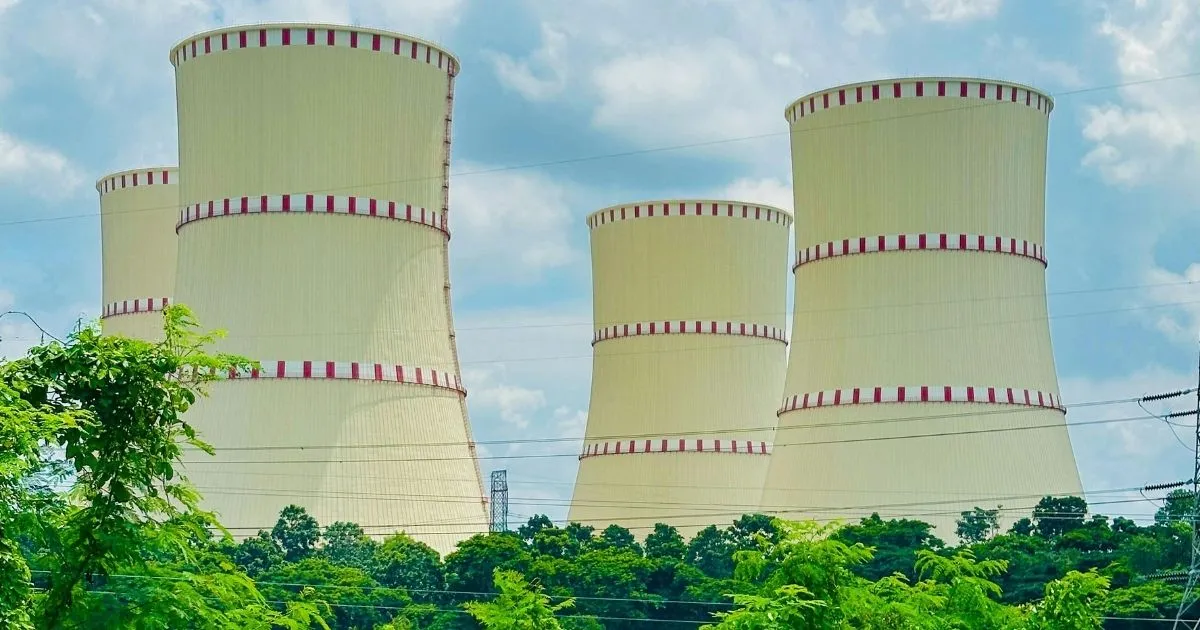
I spent the better part of yesterday afternoon watching the fog roll over the hills in Vermont, thinking about how much electricity it takes just to keep our modern anxieties running. It is a strange thing to consider that while we argue over pixels and policy, the literal physical substrate of our world is shifting back toward the atom. For a long time, mentioning nuclear energy stocks in polite investment circles felt a bit like suggesting we bring back the steam engine or start hedging on whale oil. It carried a heavy, historical baggage that most people weren’t willing to unpack. But the atmosphere has changed. You can feel it in the way capital is moving. The hesitation that defined the last decade has been replaced by a quiet, almost desperate realization that the math simply does not work without it.
We spent years chasing the horizon of renewables, hoping that wind and solar would carry the entire load. They are beautiful, necessary components of a grid, but they lack that singular, brutal reliability required by a world that never sleeps. Now, as data centers sprout across the landscape like digital mushrooms, the hunger for baseload power has become the dominant narrative. I see it less as a trend and more as a return to physical reality. People are finally looking at the numbers and realizing that if we want the future we’ve been promised, we need the kind of energy density that only exists at the molecular level.
Investing in this space isn’t like buying into a software company where you can see growth in a quarterly report. It’s a slow, grinding process of permitting, concrete, and geopolitical maneuvering. It requires a different kind of patience. When I look at nuclear energy stocks today, I don’t see a quick flip. I see a foundational shift in how we value stability. The market is beginning to price in the fact that carbon-free power isn’t just a moral goal anymore; it’s a national security requirement. There’s a certain grit to this sector that appeals to me. It isn’t shiny. It’s heavy industry meeting high-tech necessity, and that intersection is where the most interesting opportunities usually hide.
The quiet momentum of green energy investing
The phrase green energy investing used to conjure images of endless glass panels and white turbines spinning in the desert. It was clean, it was simple, and it was perhaps a bit naive. The definition is broadening now. We are seeing a more pragmatic environmentalism take root, one that acknowledges the messy middle. Nuclear is being rebranded, not by marketing firms, but by necessity. It is the only scaleable solution that checks the boxes for both carbon neutrality and constant output. This shift in perception is massive. It moves the sector from a fringe “maybe” to a core “must.”
There is a palpable sense of urgency in the way governments are extending the lives of existing plants. You can see this clearly in places like Illinois or Pennsylvania, where reactors that were slated for decommissioning are being given a second lease on life. It’s a recognition that we cannot afford to lose the capacity we already have. This creates a fascinating floor for the industry. When the state decides that an asset is too important to fail, the risk profile changes. I find myself watching the mid-cap utility companies more than the giants. There’s more room for movement there, more sensitivity to the shifting regulatory winds that are finally blowing in a favorable direction.
What’s interesting is how the private sector has jumped in. Tech behemoths are no longer just buying offsets; they are looking for direct ties to nuclear plants. They need the uptime. If you’re running a massive AI training cluster, you can’t wait for the wind to pick up. You need 24/7 power, and you’re willing to pay a premium for it. This demand creates a localized economy around these plants that is incredibly resilient. It’s a different flavor of green energy investing, one that values the steady hum of a turbine over the erratic dance of the weather. It feels more grounded, more tethered to the actual requirements of our infrastructure.
Looking toward the horizon and uranium futures
If the plants are the engine, the fuel is the sovereign debt of the energy world. For the longest time, the supply chain for the atom was an afterthought. We assumed it would always be there, tucked away in corners of the globe we didn’t have to think about too much. That illusion has shattered. The conversation around uranium futures has become one of the most compelling parts of the broader energy story. It’s a supply-demand imbalance that has been building for years, hidden by oversupplied inventories that have finally run dry.
Mining isn’t something you can turn on with a switch. It takes years to get a site operational, and even longer to navigate the labyrinth of environmental impact studies and local opposition. This lag time is what makes the current moment so volatile. We are looking at a world that wants to build more reactors but has neglected the primary resource needed to run them. Every time I read a report on global stockpiles, I’m struck by how thin the margin for error has become. It’s a classic squeeze, but one played out over a decade-long timeline.
I often think about the people actually doing the digging, far away from the trading floors. Their reality is one of physical constraints and geological luck. When you track uranium futures, you’re really tracking the geopolitical stability of central Asia and the northern reaches of Canada. You’re betting on the fact that the world will choose power over isolation. It’s a high-stakes game. The price action we’ve seen recently isn’t just speculation; it’s a price discovery mechanism for a resource that was undervalued for far too long. The market is finally waking up to the fact that you can’t have a nuclear renaissance without the dirt.
The complexity of the enrichment process adds another layer of intrigue. It’s not just about getting the rock out of the ground; it’s about who has the technology to make it useful. This creates a series of bottlenecks that are both terrifying and lucrative, depending on where you stand. I find myself less interested in the broad indices and more focused on the companies that control these specific pinch points. They are the gatekeepers of the new energy era.
There is no neat conclusion to this. The energy transition is going to be loud, expensive, and probably quite frustrating. We are essentially trying to rebuild the airplane while it’s in flight. But there is a certain comfort in seeing the return of serious engineering to the forefront of the investment world. For a long time, it felt like we were just shuffling paper and chasing shadows. Nuclear energy stocks represent something tangible. They represent a bet on human ingenuity and our ability to solve the most fundamental problem we have: how to keep the lights on without burning the house down.
I don’t know if we’ll look back at 2026 as the peak or just the beginning of a much longer climb. The variables are too numerous, and the politics are too fickle to say for certain. But standing here, looking at the way the grid is straining and the way the world is turning back to the atom, it feels like the most honest play on the board. It’s a gamble on the long term, on the idea that we will choose the difficult, reliable path over the easy, intermittent one. Whether that pays off in the way people hope is a question that won’t be answered for a long time.
FAQ
The classification is shifting. Many major jurisdictions, including the EU, have begun including nuclear in their sustainable finance taxonomies because it produces zero carbon emissions during operation, though the debate over waste remains a separate, ongoing conversation.
The market for uranium is relatively small and highly sensitive to geopolitical shifts. Because there are only a handful of major producers globally, any disruption in supply or a sudden change in government policy can cause significant price swings.
SMRs are the “tech startup” wing of the nuclear world. While the promise of factory-built, cheaper reactors is massive, many of these projects are still in the design or early licensing phases, making them higher-risk than traditional utility-scale nuclear plays.
Nuclear projects are incredibly capital-intensive and take years to build. High interest rates can make the cost of financing these projects prohibitive, while a lower-rate environment generally acts as a catalyst for new construction starts.
Beyond the obvious tail-risk of a safety incident, the primary risks are political and regulatory. Nuclear energy requires long-term government commitment that spans multiple administrations, and a shift in policy can stall projects that are already billions of dollars into development.

