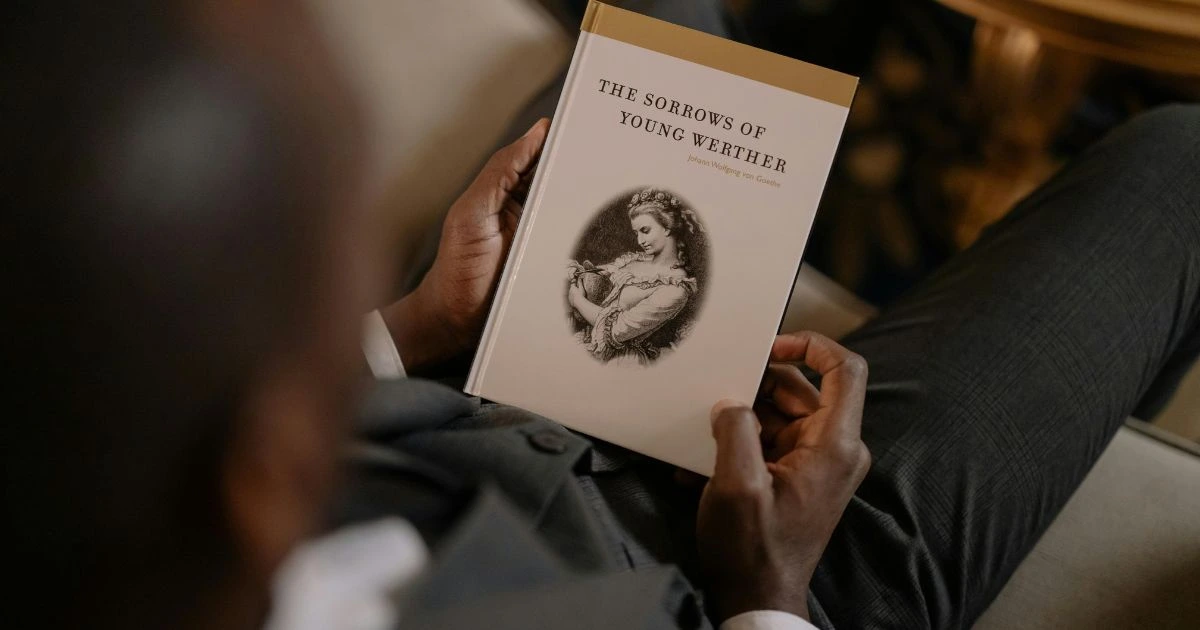
The first time I saw a jacket design shift colors based on the ambient light in a Brooklyn cafe, I realized the era of static rectangles was officially dead. We spent decades obsessing over typography and the Rule of Thirds, yet we ignored the most volatile variable in the room: the person holding the device. It is now 2026, and the digital shelf has become a living thing. If you are still uploading a flat JPEG and hoping for the best, you are essentially whispering in a room where everyone else is singing.
People don’t buy stories. They buy a specific version of themselves they hope to become while reading. They buy the promise of a catharsis or a thrill or a quiet moment of melancholy. This is where reader psychology enters the frame, moving past the old tricks of red covers for thrillers and blue for memoirs. We are looking at a landscape where the visual data reacts to the user’s history, their current time of day, and even the subtle haptic feedback of how they scroll.
Why reader psychology is rewriting the rules of the genre shelf
The way we process a thumbnail in a split second has changed because our brains have been rewired by a decade of hyper-personalized feeds. When we talk about emotional book covers, we aren’t just discussing a pretty picture. We are talking about a psychological mirror. I’ve noticed that the most successful self-published authors this year aren’t the ones with the biggest marketing budgets but the ones who understand the “micro-mood.”
A cover needs to feel like an invitation to a specific emotional state. If someone is browsing at 11:00 PM on a rainy Tuesday in Seattle, they are looking for a different resonance than they would be at a bright noon in a crowded office. The technology we have now allows for dynamic layers that can shift saturation or focus based on these environmental triggers. It sounds like science fiction, but it is just the natural evolution of the relationship between a creator and a stranger.
I remember a conversation with a designer who argued that “vibe” is more important than “clarity.” At the time, I thought she was being pretentious. Now, looking at the data from the last six months, she was right. A cover that is a bit blurry, a bit evocative, and deeply rooted in a specific feeling will outperform a technically perfect, high-contrast image every time. The human eye is tired of perfection. It craves a texture that feels like it was touched by a hand, even if that hand was assisted by a sophisticated algorithm.
There is a certain irony in using high-tech tools to create something that feels more organic and less digital. We use these advancements to strip away the plastic sheen of the early 2020s. We want grit. We want the digital equivalent of a thumbprint on the corner of a page. If you can make a reader feel a sense of longing before they even read the blurb, you’ve already won the hardest battle in publishing.
How book design 2026 favors the bold and the blurry
The shift toward these reactive visuals has created a divide. On one side, you have the traditionalists clinging to the idea that a cover is a fixed piece of art. On the other, the experimentalists are treating the cover as a dynamic interface. This isn’t about gimmicks. It’s about the fact that our emotional state is never static.
The current trend in book design 2026 is leaning heavily into “liminal spaces” and “emotional textures.” Think of a cover that doesn’t show the protagonist’s face but instead shows the way light hits a specific type of fabric that evokes a memory of a childhood home. This is much more effective than a generic stock photo of a man in a suit. We are seeing a return to abstraction because abstraction allows the reader to project their own baggage onto the story.
I spent a few weeks last summer in Austin, watching how people interacted with their devices in public spaces. There is a frantic energy to the scroll, a desperate search for something that breaks the pattern. The covers that stopped the thumb were almost always the ones that felt “off” in some way. Maybe the perspective was tilted, or the colors felt slightly dissonant. These are intentional choices designed to trigger an emotional response that bypasses the logical brain.
We are moving away from the “big book” aesthetic where every title is massive and centered. Now, the typography is often hidden, or woven into the imagery, forcing the viewer to lean in. It is an act of intimacy. By making the reader work just a little bit harder to decode the image, you are establishing a connection. You are telling them that this book isn’t for everyone; it is specifically for them.
The tech allows us to test these variations in real-time. You can see how a slight shift in the grain of a photo affects the click-through rate in different geographic regions. It turns out that readers in the American Southwest respond to different tonal palettes than those in New England, not because of cultural differences necessarily, but because of the literal light they live in every day. Our eyes are calibrated to our environment, and our emotional book covers should be too.
I often wonder if we are losing the “soul” of the cover by over-analyzing these metrics. There is a danger in becoming too responsive, where we just give people exactly what they think they want. The best art usually gives people what they didn’t know they needed. The sweet spot is using the technology to enhance a core, human truth rather than letting the tech dictate the art.
You have to be willing to fail. You have to be willing to put out a cover that some people might find ugly or confusing. If everyone likes it, it probably doesn’t have enough personality to make anyone love it. In a world where every image is polished to a mirror finish, a little bit of jaggedness is a superpower.
The tools are just tools. You can have the most advanced emotional-trigger software in the world, but if you don’t have a deep, underlying understanding of why a person feels lonely or triumphant, the cover will still fall flat. It’s about empathy. It’s about looking at your own work and asking, “What is the one feeling I want to transmit?” and then using every pixel at your disposal to amplify that one thing.
We are entering a phase where the boundary between the reader and the book is thinning. The cover is the first point of contact, the handshake, the initial glance across a crowded room. It shouldn’t be a billboard; it should be a whisper. And in 2026, we finally have the tech to make that whisper heard over the roar of the internet.
What happens next is anyone’s guess. Will we see covers that change based on our heart rate? Or covers that smell like old paper through some haptic miracle? The path forward isn’t about more features; it’s about more feeling. We are finding our way back to the core of storytelling, which has always been about one person trying to tell another person what it’s like to be alive. The technology is just finally catching up to the complexity of that task.
FAQ
It is a digital book jacket that uses dynamic elements to shift its visual appearance based on reader data or environmental triggers.
While primarily digital, some high-end special editions use light-reactive inks or smart materials to mimic these effects.
Genre conventions provide the map, but reader psychology provides the destination; both are necessary, but the latter drives the actual “click.”
Traditional covers aim for clarity and information, while emotional covers aim for a visceral, immediate feeling or “vibe.”
The barrier to entry has dropped significantly, with many design platforms offering dynamic layering tools as standard features in 2026.