
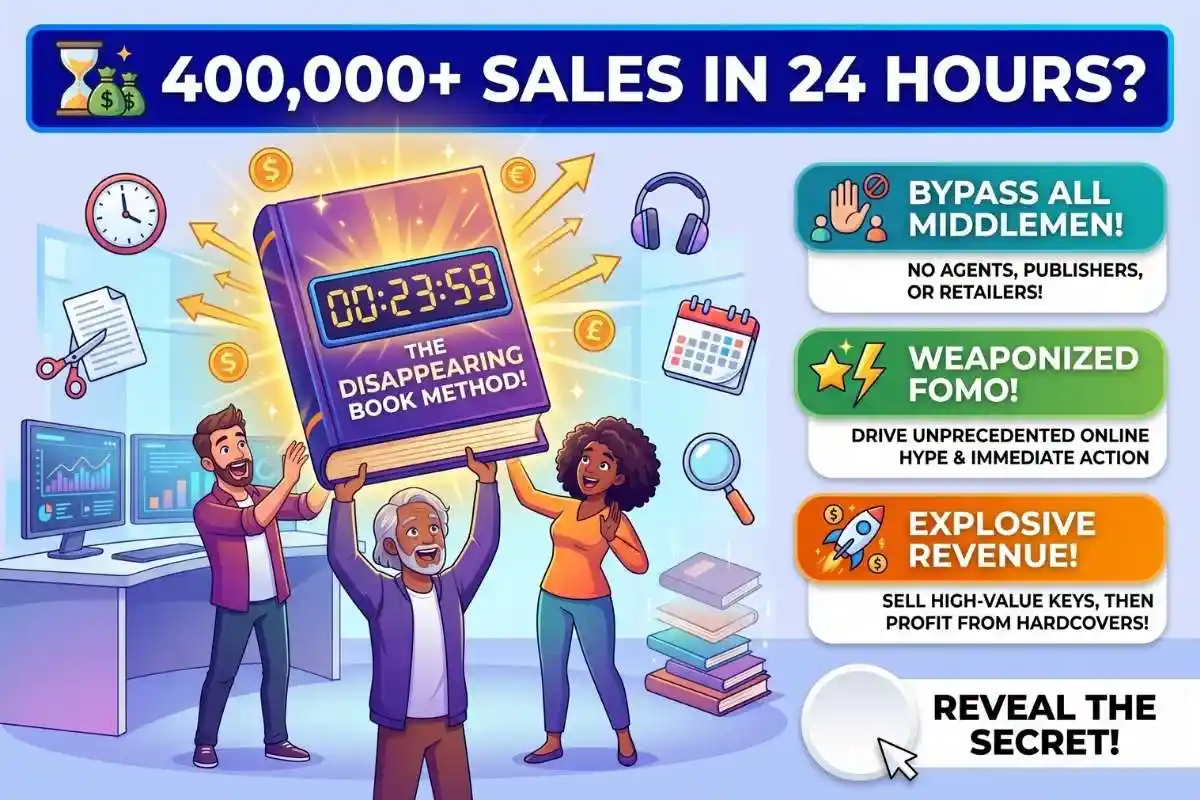
Imagine purchasing a highly anticipated novel from your favorite author, opening the digital file, and realizing you have exactly twenty-four hours to reach the final page before the book deletes itself from your device forever. This is not the plot of a futuristic cyberpunk thriller, but rather the reality of the literary landscape in 2026. Welcome to the era of ephemeral publishing, a rapidly growing trend where authors are intentionally releasing “disappearing books” to artificially engineer scarcity, drive unprecedented online hype, and force readers to consume their content immediately. In a world where our digital “To Be Read” piles have grown into insurmountable mountains of neglected files, a new wave of pioneering authors and digital publishers has decided to take drastic measures. By putting a strict, non-negotiable countdown timer on their latest literary creations, they are transforming the solitary act of reading into an urgent, collective, and fiercely discussed cultural event.
The Evolution of Literary Ephemera
Historically, the concept of printed materials not meant to last has been around for centuries, deeply rooted in the long tradition of ephemera, which encompasses transient documents of everyday life like ticket stubs, broadsides, and event posters. However, applying this inherently temporary nature to full-length fiction is a radical modern twist born out of our hyper-connected digital age. Traditional books were cherished specifically because they were permanent, tactile objects that could be passed down through generations or revisited whenever the mood struck. Today, however, permanence has lost some of its magical allure, replaced by a digital environment where content is infinite, overwhelming, and often entirely ignored. To combat this widespread reader apathy, the 2026 publishing vanguard realized that making a novel temporary instantly elevates its perceived value. When a book is only available to experience for a single rotation of the earth, it transitions from being a mere product you buy to an exclusive event you attend. This brilliant manipulation of availability ensures that readers cannot afford to procrastinate; they must devour the story right then and there, fundamentally altering the traditional pacing of literary consumption.
The Psychology of Artificial Scarcity
The underlying psychological mechanism driving the success of twenty-four-hour ephemeral publishing is an extreme, weaponized version of the fear of missing out, commonly known across social media platforms as FOMO. Human beings are neurologically wired to desire things that are scarce, and when an author announces a disappearing book drop, it triggers a primal rush to acquire and consume the resource before it vanishes into the digital ether. Unlike standard book releases, where fans might wait for a weekend or a holiday to begin reading, an ephemeral release demands immediate reorganization of a reader’s daily life and priorities. Fans take days off from their corporate jobs, cancel long-standing dinner plans, and stay awake through the night, desperately swiping pages against a relentlessly ticking clock. This shared sense of frantic urgency creates a spontaneous, highly energized online community. As thousands of people read the same chapters simultaneously, social media platforms explode with real-time reactions, frantic theories, and desperate pleas for more time, generating an organic marketing campaign that traditional publishers could only dream of orchestrating. The book doesn’t just trend; it completely dominates the cultural conversation for its brief, shining window of existence.
The Technological Architecture of Disappearance
To execute these vanishing acts seamlessly, modern authors rely on sophisticated technological frameworks that go far beyond standard file hosting. The backbone of ephemeral publishing relies heavily on advanced iterations of Digital Rights Management (DRM) software, combined with blockchain-verified smart contracts that strictly govern access permissions. When a reader purchases an ephemeral title, they aren’t actually downloading a permanent file to their personal e-reader or tablet. Instead, they are buying a highly secure, time-stamped access key to a cloud-based server where the text is temporarily hosted. The moment the reader opens the first page, an immutable twenty-four-hour countdown timer is triggered on the server side. Once that timer strikes zero, the access key is automatically revoked, and the encrypted text is permanently wiped from the hosting server, leaving absolutely no trace behind. This rigorous technological control prevents users from simply copying and pasting the text, taking screen captures, or utilizing offline reading modes to circumvent the deadline. The system is designed to be ruthlessly efficient, ensuring that the author’s vision of an exclusive, temporary experience is strictly enforced without any possibility of extension or appeal.
Success Stories and the Financial Windfall
The financial success of this high-stress publishing model has been nothing short of staggering, upending long-held assumptions about how authors monetize their creative labor in the digital era. Take the example of blockbuster thriller novelist Marcus Vance, who recently experimented with the ephemeral model for his highly anticipated standalone mystery novel, “The Midnight Cipher.” Vance announced the book with only a three-day warning, pricing the twenty-four-hour access key at a premium twenty-five dollars—significantly higher than the average cost of a permanent digital download. Despite the high price tag and the temporary nature of the product, over four hundred thousand rabid fans purchased access keys. Within a single day, Vance generated millions of dollars in direct revenue, completely bypassing traditional distribution channels, retail middlemen, and physical printing costs. Furthermore, because the book disappeared completely, it left a massive, hungry audience who had heard the frantic online hype but missed the actual reading window. This subsequent demand allowed Vance to sell a premium-priced, permanent “commemorative” hardcover edition six months later to those desperate to know what the cultural phenomenon was all about, effectively doubling his profit margins on a single intellectual property.
Reader Backlash and the Piracy Wars
Despite the obvious financial and marketing benefits for the creators, ephemeral publishing has sparked intense controversy and fierce pushback from a vocal segment of the reading public. Literary purists and accessibility advocates argue that the practice is inherently exclusionary, unfairly punishing readers who have demanding jobs, childcare responsibilities, or learning disabilities that prevent them from speed-reading a four-hundred-page novel in a single day. These critics view disappearing books as a hostile, consumer-unfriendly gimmick that prioritizes viral marketing over the genuine enjoyment and deep comprehension of literature. In response to this artificially imposed scarcity, a sophisticated underground network of literary pirates has emerged, dedicated to digitally preserving these vanishing works. These rogue archivists utilize specialized hardware to bypass the advanced DRM restrictions, rapidly photographing e-reader screens or utilizing optical character recognition software to capture the text before the timer expires. The resulting bootleg copies are then distributed freely on dark web forums, sparking an ongoing, high-stakes game of technological cat-and-mouse between publishing conglomerates trying to protect their temporary assets and digital Robin Hoods fighting to ensure that art remains permanently accessible to everyone, regardless of artificial deadlines.
Comparing Publishing Models
To truly understand the massive disruptive impact that ephemeral publishing has had on the literary market in 2026, it is helpful to look at the statistical differences between traditional publishing models and this new, time-limited approach. Industry analysts have closely tracked reader behavior, engagement metrics, and financial returns across various release strategies. The data reveals a fascinating shift in how audiences interact with literature when faced with an uncompromising deadline. While traditional e-books boast a high volume of passive ownership, the actual completion rates remain shockingly low, with many digital books abandoned after the first few chapters. In stark contrast, ephemeral releases command an astonishingly high completion rate, as the ticking clock forces readers to prioritize the narrative above all other daily distractions. Furthermore, the concentrated nature of the hype cycle generates an intensity of online engagement that traditional long-tail marketing campaigns simply cannot replicate. The comparative table provided below illustrates the core performance metrics of traditional permanent e-books, standard print releases, and the new twenty-four-hour ephemeral digital drops, highlighting exactly why so many prominent authors are eagerly abandoning permanence in favor of fleeting, high-impact cultural events.
| Format Type | Average Completion Rate | Peak Hype Duration | Average Price (USD) | Primary Marketing Driver |
| Traditional Hardcover | 45% within the first year | 2 to 3 weeks | $28.00 | Professional reviews |
| Permanent E-Book | 30% within the first year | 1 week | $12.99 | Algorithmic recommendations |
| 24-Hour Ephemeral Drop | 92% within 24 hours | 48 hours | $19.99 | Extreme FOMO and live discussion |
Frequently Asked Questions
Understanding the complex mechanics and cultural implications of twenty-four-hour ephemeral publishing can be challenging, especially for readers who grew up cherishing physical libraries and permanent digital collections. As this trend continues to reshape the 2026 literary landscape, many consumers have pressing questions about how the system works, what happens if they fail to finish the book in time, and whether this model will eventually replace traditional reading entirely. The shift from owning literature to merely renting a temporary experience represents a fundamental change in consumer rights, prompting widespread curiosity and confusion. To help navigate this fast-paced, high-stress evolution of the publishing industry, we have compiled a detailed list of the most frequently asked questions regarding disappearing books. This comprehensive guide addresses the technical realities, the financial motivations, and the practical challenges of engaging with time-locked literary events, providing clarity for both enthusiastic participants and skeptical traditionalists trying to adapt to the new normal.
What happens if I cannot finish the book before the twenty-four-hour timer runs out?
Unfortunately, the entire premise of the ephemeral publishing model is based on strict, unforgiving consequences, meaning that if you fail to reach the final chapter before the countdown hits zero, you are simply out of luck. The hosting servers are programmed to immediately revoke your access key and wipe the encrypted file from your device, regardless of whether you are on the very first page or the climactic final paragraph. Customer service departments for ephemeral publishers strictly refuse to grant extensions, citing the fact that the harsh deadline is an integral part of the artistic experience. Many frustrated readers have taken to social media to complain about being cut off right before a major plot twist, but authors argue that this genuine risk of failure is exactly what makes the reading experience so thrilling and memorable.
Are these disappearing books ever released again in a permanent format?
The long-term availability of an ephemeral book depends entirely on the strategic marketing plan of the individual author and their publishing team, though most do eventually see a permanent release to maximize secondary profits. Typically, a disappearing book is kept strictly unavailable for a period of six to twelve months following the initial twenty-four-hour event, allowing the legend and hype surrounding the story to marinate in the public consciousness. After this agonizing waiting period, publishers will often release a beautiful, premium-priced physical edition or a standard digital version for the wider public who missed the initial drop. However, some avant-garde authors have committed to absolute permanence in their ephemera, legally promising their fanbases that the text will never be republished in any format, ensuring that the initial twenty-four-hour window remains a truly once-in-a-lifetime cultural moment.
A Final Curiosity: The Future of Fleeting Fiction
As we look forward to the continued evolution of the literary world, it is fascinating to consider how the 24-hour ephemeral publishing trend mirrors the fleeting nature of ancient oral storytelling traditions, where a tale only existed in the moment it was spoken aloud around a fire. In our desperate modern quest to capture and monetize human attention, authors have essentially reinvented the campfire story using cutting-edge cloud servers and encrypted access keys. While traditionalists may rightfully mourn the loss of permanence and the ability to slowly savor a beautifully crafted novel, there is an undeniable, electric thrill to participating in a shared, disappearing cultural moment. The disappearing book phenomenon ultimately challenges our deeply ingrained notions of ownership, asking us to value the intense, ephemeral experience of reading over the physical possession of the text itself. Whether this high-adrenaline publishing model remains a permanent fixture of the literary economy or eventually fades away like the vanishing novels it produces, it has undeniably proven that even in an age of endless digital distraction, a ticking clock can still force the world to sit down and read.
