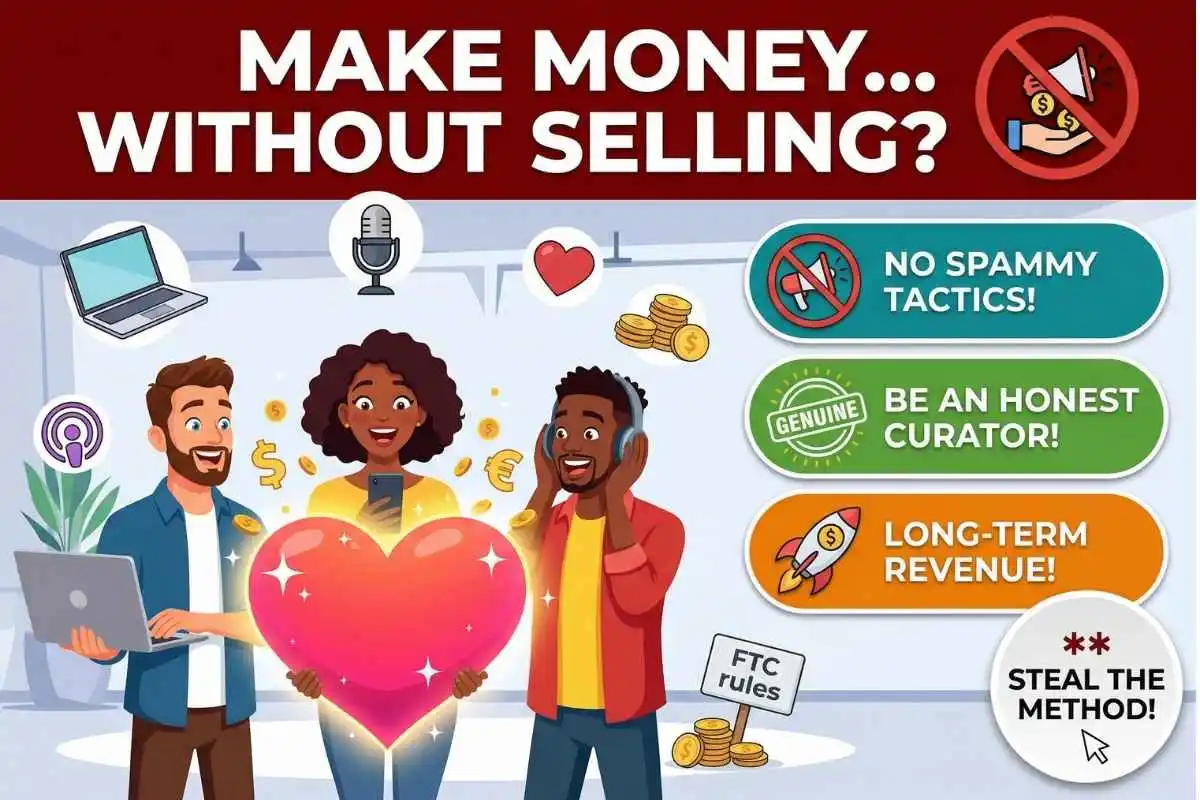
Imagine scrolling through your favorite blog or social media feed, looking for a solution to a daily problem, only to be bombarded by flashing links and aggressive sales pitches. We have all been there, and it is exhausting. But what if there was a way to share the products you genuinely love, earn a little income for your effort, and actually keep the respect and trust of your audience? Welcome to the world of honest affiliate marketing. It is a space where authenticity reigns supreme, and your recommendations feel like advice from a trusted friend rather than a late-night infomercial. In this guide, we will explore how you can organically weave product recommendations into your content, ensuring you provide immense value while building a sustainable online presence.
The Foundation of Unshakable Trust
At the absolute core of honest affiliate marketing is a foundation built on unshakable trust, a commodity that takes years to build but only seconds to destroy. Think back to a time when a close friend recommended a book, a restaurant, or a brand new gadget. You likely listened to their advice because you knew they had nothing to gain from your purchase other than the satisfaction of sharing something wonderful. When you transition into the role of a content creator, your audience needs to feel that exact same level of personal connection. If you begin promoting products simply because they offer the highest commission rates, your audience will instantly see right through the facade. True influence stems from sharing items that have legitimately solved a problem in your own life or improved your daily routine. When you speak from a place of genuine enthusiasm and real-world experience, the “sales pitch” completely vanishes, replaced by a compelling narrative that naturally draws people in and makes them eager to try exactly what you are using.
The Critical Importance of Transparency
Navigating the landscape of affiliate marketing means you must be rigorously transparent about your financial relationships with the brands you promote. This is not merely a polite suggestion; it is a strict requirement enforced by regulatory bodies designed to protect everyday consumers from deceptive advertising practices. Whenever you share an affiliate link, your audience deserves to know that you might earn a small commission if they decide to make a purchase through your recommendation. By being upfront and incredibly clear about these affiliations, you paradoxically increase the likelihood that someone will buy, because you have demonstrated integrity rather than trying to hide your motives. You can read the official guidelines on the Federal Trade Commission (FTC) website to understand exactly how to format these disclosures clearly and conspicuously. A simple, friendly sentence at the beginning of an article or a clear hashtag on a social media post goes a very long way in showing your audience that you respect them enough to tell the complete truth about your business model.
The “Show, Don’t Tell” Approach
One of the most profound mistakes new affiliate marketers make is aggressively telling their audience to buy a product without demonstrating precisely why it is worth their hard-earned money. Instead of dropping random links into your text, you must embrace the narrative technique of “show, don’t tell.” This means creating comprehensive tutorials, detailed case studies, or engaging personal stories where the product is naturally featured as the hero that helped you overcome a specific obstacle. For example, if you are recommending a specific brand of hiking boots, do not just list their technical specifications. Instead, write an immersive story about your challenging trek up a steep, muddy mountain trail, detailing how those exact boots kept your feet completely dry when your old pair would have certainly failed. By placing the product firmly within the context of a relatable, real-world situation, you allow the reader to visualize themselves experiencing those same incredible benefits, making the affiliate link feel like a helpful resource rather than an intrusive advertisement.
Selecting Partnerships for Long-Term Success
The sheer volume of affiliate networks available today can be incredibly overwhelming, tempting many creators to partner with any brand willing to offer a payout. However, practicing honest affiliate marketing requires you to be fiercely selective and fiercely protective of your brand’s reputation. You should actively seek out companies whose core values deeply align with your own, and whose products you would enthusiastically recommend even if you were not receiving a single dime in compensation. The concept of rewarding referrals has a long history, dating back long before the internet, as seen in the evolution of Affiliate marketing on Wikipedia. But the modern digital landscape demands an unprecedented level of authenticity. If you run a blog dedicated to sustainable, eco-friendly living, partnering with a fast-fashion retailer for a quick payout will instantly alienate your dedicated readers and destroy the community you have worked so hard to cultivate. By rigorously vetting your partners and only endorsing the absolute best tools and services that fit your specific niche, you transform yourself from a mere salesperson into a trusted curator of high-quality resources.
Prioritizing Value Over Immediate Profit
Ultimately, the secret to recommending products without sounding spammy is to prioritize immense, unconditional value over immediate financial gain. You must adopt the mindset of an educator and a helper, rather than a relentless marketer focused only on daily conversion metrics. When you spend the vast majority of your time answering your audience’s pressing questions, solving their unique problems, and providing them with entertaining or educational content completely free of charge, you build a deep reservoir of goodwill. Then, on the rare occasions when you do introduce an affiliate product, your audience will be highly receptive because you have already proven that your primary goal is to serve their needs. This approach is widely known as the long game, and it requires a significant amount of patience, resilience, and a genuine passion for your chosen topic. While the spammy, aggressive marketers might experience a brief flash of early success, it is the honest, value-driven creators who build loyal communities, sustainable income streams, and lasting legacies in the ever-evolving world of digital content creation.
A Tale of Two Tactics
To further illustrate the stark contrast between these two fundamentally different approaches to digital marketing, let us examine a detailed breakdown. Understanding these key differences will help you audit your own content and ensure you are consistently staying on the right side of the ethical divide.
| Feature | Honest Affiliate Marketing | Spammy Affiliate Marketing |
| Primary Goal | To solve problems and provide lasting value. | To maximize immediate sales and quick profits. |
| Product Usage | Creator actively uses and truly loves the product. | Creator has never touched or used the product. |
| Disclosures | Clear, upfront, and strictly follows FTC rules. | Hidden, misleading, or completely non-existent. |
| Content Style | Narrative, educational, contextual, and helpful. | Aggressive, urgent, hype-filled, and intrusive. |
| Audience Focus | Building long-term relationships and deep trust. | Treating viewers as disposable traffic or metrics. |
Frequently Asked Questions
What happens if I recommend a product that my audience ends up disliking? Even with the most honest intentions, it is entirely possible that a product you adore might not work perfectly for every single person in your audience. The best way to handle this is by being upfront about the product’s limitations from the very beginning. Whenever you write a review, always include a section detailing who the product is not for, or highlight minor flaws you have noticed. This level of extreme candor actually boosts your credibility and helps people make highly informed decisions.
Do I need a massive audience to start making money with affiliate marketing? Absolutely not. In fact, many creators find that a small, highly engaged, and deeply trusting micro-audience is far more lucrative than a massive but apathetic following. If you have a few hundred loyal readers who hang onto your every word because you consistently provide incredible value, they are far more likely to trust your recommendations than a million passive scrollers who barely know your name.
Is it okay to use affiliate links in emails and newsletters? Yes, email newsletters are actually one of the most effective and intimate places to share honest product recommendations, provided your email service provider allows it and you include the necessary legal disclosures. Because someone has explicitly invited you into their private inbox, the level of trust is already significantly higher than on a public social media platform.
A Curious Look Back and Final Thoughts
Did you know that the concept of modern affiliate marketing was actually pioneered by a man named William J. Tobin in 1989? He launched the first program for his company, PC Flowers & Gifts, proving that revenue sharing on the internet was a viable business model long before the tech giants took over. What started as a simple idea has now blossomed into a multi-billion dollar global industry, shifting the way consumers discover and purchase everyday items.
As you step forward into your own journey of content creation, remember that the tools and platforms will inevitably change, but human psychology remains beautifully constant. People will always gravitate toward authenticity, transparency, and genuine helpfulness. By committing to honest affiliate marketing, you are not just building an income stream; you are building a reputable brand that can proudly stand the test of time. Share what you love, disclose your connections, and always put your audience first.