
There is a specific kind of quiet that settles over a room when you finish writing a book. It is a mixture of relief and a strange, hollow grief. You spent months, maybe years, living inside a digital file or a notebook, and suddenly the characters are evicted. They are out there in the world, flat on a screen or tucked between paper covers, and you realize that for most readers, the relationship with your world ends the moment they hit the last period. I used to think that was enough. I used to believe the prose was the only thing that mattered. But as the landscape of self-publishing shifted, I started seeing people walking around with pieces of other people’s souls printed on their sweatshirts or pinned to their lapels. It made me realize that we are missing a massive piece of the human connection if we stop at the words.
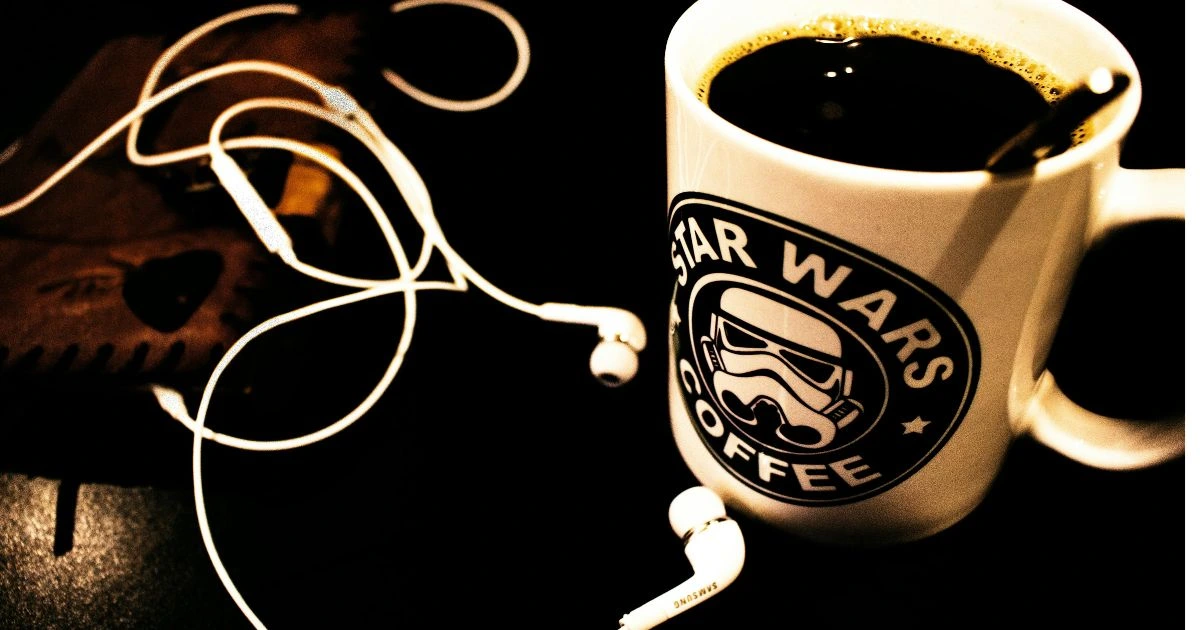
Author merchandise is often talked about as a side hustle or a way to squeeze a few extra pennies out of a loyal reader, but that feels cynical to me. When I see a reader holding a physical object inspired by a story I wrote, I don’t see a transaction. I see a bridge. It is a way for that person to take a piece of the world I built and anchor it in their reality. We live in such an ephemeral, digital age that the weight of a heavy ceramic mug or the texture of a canvas tote bag carries a weight that an e-book simply cannot replicate.
I remember sitting in a small coffee shop in Portland, Oregon, watching a stranger read a book. They had a small, enamel pin on their bag that referenced a very obscure series I loved. That tiny piece of metal acted like a lighthouse. It signaled to me, and to everyone else who knew the code, that we belonged to the same tribe. That is the heartbeat of this entire endeavor. It is not about selling trinkets. It is about building a visual language for your community.
Elevating the experience with book-related products
The mistake most of us make when we start thinking about physical goods is being too literal. We think a t-shirt needs the book cover printed on it, or a mug needs the title in a bold font. But who actually wants to wear an advertisement? People want to wear a feeling. They want to carry a secret. The best book-related products are the ones that feel like an inside joke between the author and the reader. It might be a scent that mimics the library in chapter four, or a piece of jewelry that a character wears.
Self-publishing gives us this weird, frantic freedom to be as niche as we want. We don’t have a marketing department in a glass tower telling us that a specific candle won’t sell to a broad demographic. We know our readers. We know the specific lines they highlight and the characters they would die for. When you lean into that specificity, the objects you create stop being “merch” and start being artifacts. There is a weight to an artifact. It feels like it was pulled directly out of the fiction and placed on a shelf.
I’ve seen authors create tea blends that taste like the setting of their novels, and there is something incredibly intimate about sharing a sensory experience with a reader. You are both tasting the same bergamot and smoke. You are both feeling the same heat from the cup. It collapses the distance between the creator and the consumer. In a world where we are constantly told to scale and automate and reach millions, there is something radical about creating something meant for only a few hundred people who really, deeply get it.
The quiet alchemy of fan engagement
We use the term engagement so much in the digital space that it has lost its teeth. We think it means likes, comments, or shares. We think it’s a metric on a dashboard. But true fan engagement is much messier and more beautiful than that. It is the moment a reader feels seen by the author. When someone buys a physical object related to your work, they are making a claim on their identity. They are saying that your words helped shape who they are, and they want to show that to the world.
There is a responsibility in that. You can’t just slap a logo on a cheap plastic pen and call it a day. If a reader is willing to invite your work into their home, into their daily wardrobe, or onto their nightstand, the quality of that object needs to reflect the respect you have for their time. I’ve noticed that the most successful self-published creators are the ones who treat their physical offerings with the same editorial rigor as their manuscripts. They care about the weight of the paper in their journals. They care about the sustainability of the fabrics.
It becomes a cycle of generosity. The reader supports the author’s ability to keep writing, and the author provides the reader with a way to stay connected to the story long after the sequel is finished. This isn’t about building a brand; I hate that word. It’s about sustaining a fire. It’s about keeping the lights on in the world you built so that people can find their way back to it whenever they need to.
I think we often underestimate how lonely reading can be. It is a solitary act by nature. You go into a room, you close the door, and you disappear into your own head. Having something physical, a tangible piece of author merchandise, breaks that solitude. It makes the experience communal. It’s a way of saying, I was here, and someone else was here too.
The industry likes to tell us that everything is moving toward the cloud, that ownership is a relic of the past, and that we should all be happy with digital subscriptions. But I look at my bookshelf, and I look at the pile of mismatched coasters and the worn-out hoodies from my favorite creators, and I don’t believe that for a second. We are tactile creatures. We want to touch the things we love. We want to hold them.
As a writer, you spend so much time in the abstract. You deal in themes and metaphors and character arcs. There is something profoundly grounding about holding a physical manifestation of your imagination. It makes the work feel real in a way that a royalty report never will. It’s a reminder that your ideas have footprints. They take up space.
There is no perfect roadmap for this. Some people will tell you to start with stickers because they are cheap and easy to ship. Others will tell you to go straight for high-end limited editions. Both are right and both are wrong. The only real compass is the story itself. What does the story demand? Does it demand a rugged, leather-bound notebook or a bright, neon acrylic keychain? If you listen to the work, the objects will reveal themselves.
I often wonder where all these objects end up twenty years down the line. Maybe a t-shirt becomes a rag for cleaning a car, or a mug gets chipped and relegated to the back of a cabinet. But even then, there’s a history there. There’s a ghost of the time someone spent living in your head. That’s not something you can optimize for a search engine or track with a pixel. It’s just the strange, lingering magic of making things for other people.
FAQ
Focus on the elements of your story that readers mention most in reviews or emails. If people are obsessed with a specific fictional food or a recurring symbol, start there rather than just using your book cover. The goal is to create something that feels like an extension of the narrative world.
Not necessarily, but it helps to have a core group of readers who are vocal. Even a small, dedicated audience will appreciate having a way to support your work beyond the book. Starting small with print-on-demand services allows you to test ideas without a significant upfront investment.
Many authors prefer using third-party services that handle printing and shipping directly to the customer. This removes the need to store boxes in your home or spend your afternoons at the post office, though it does mean you have less control over the final packaging.
Functional items that can be used in daily life often perform better than purely decorative pieces. Tote bags, high-quality bookmarks, and apparel that doesn’t look like a standard promotional shirt are usually popular because they integrate easily into a reader’s existing lifestyle.
Look at what similar creators in your genre are doing, but also account for your time and the cost of quality materials. Readers are generally willing to pay a bit more for something unique and well-made that supports an independent creator rather than a mass-market product.
