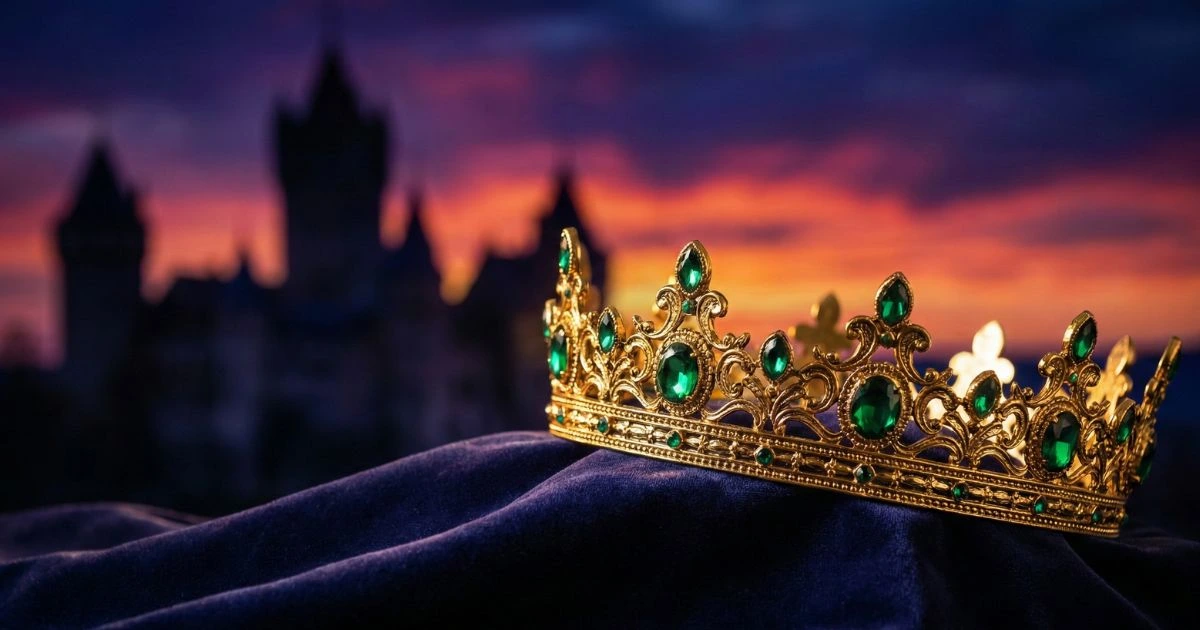
The digital ink had barely dried on the latest viral Kindle release before the chatter started in the usual circles, those private channels where the math of fiction meets the art of the sell. It was a Tuesday, the kind of afternoon where the sunlight hits the screen just right to reveal every fingerprint, and I was staring at a cover that looked like a fever dream of velvet, daggers, and starlight. This was the Romantasy explosion in a single image. It was lush, it was impossibly detailed, and it was undeniably the product of an algorithm working overtime. For years, we watched the steady climb of the fantasy romance hybrid, a genre that basically swallowed the publishing industry whole by promising both the emotional payoff of a swoon-worthy relationship and the high-stakes escapism of a crumbling empire. But something shifted recently. The barrier between a high-budget studio production and a solo author working from a kitchen table simply dissolved.
I remember when getting a cover like that meant a three-month wait and a four-figure invoice that could make a seasoned investor blink. Now, the aesthetic of the bestseller is being democratized by silicon. There is a specific kind of magnetism in these visuals that transcends traditional photography. They are hyper-real yet ethereal, capturing that precise moment where a crown of thorns meets a soft gaze. People are clicking not just because the story looks good, but because the image itself feels like a gateway to a world they can already taste. It is a fascinating study in market psychology, where the efficiency of machine learning has finally caught up to the complex, multi-layered cravings of a very specific, very loyal audience.
The explosive rise of Romantasy Trends in a visual-first economy
The shift toward these vibrant, AI-driven aesthetics is not just a fluke of the algorithm, it is a response to how we consume stories in 2026. We are living in a thumbnail-first world. If an image cannot stop a thumb from scrolling in less than half a second, the book might as well not exist. This is where Romantasy Trends have found their perfect partner in generative tech. The genre demands a level of visual density that is notoriously difficult to capture with stock photography. How do you find a model who looks exactly like a half-fae prince, standing in a field of bioluminescent lilies, while holding a sword that glows with the souls of the damned? You don’t. You either pay an illustrator for fifty hours of work or you learn to speak the language of prompts.
What I find most interesting is that readers have stopped caring about the “how” and started focusing entirely on the “vibe.” There was a period of friction, a time when the “uncanny valley” of early synthetic art turned people away, but those days are gone. The models have become more sophisticated, leaning into painterly textures and soft, atmospheric lighting that mimics the hand-brushed quality of classic oil paintings. It is a reclamation of the “beautiful object” status that books used to hold. In the finance and acquisition side of this world, we see that listings with these high-impact visuals carry a significantly higher baseline value. A digital asset that looks like it belongs on the front table of a boutique bookstore naturally commands more attention than one that looks like a late-90s Photoshop experiment. The market is rewarding those who can blend the efficiency of the machine with the discerning eye of a human curator.
There is a subtle art to this, of course. It is not about hitting a button and hoping for the best. The successful creators are those who treat the technology like a high-end camera, adjusting the “lenses” of their descriptions to capture specific jewel tones or the way light hits a character’s armor. They are building brands that feel cohesive, where every book in a series feels like a different room in the same castle. This consistency is what builds trust. When a reader sees that specific aesthetic, they know exactly what kind of emotional journey they are signing up for. It is the visual equivalent of a familiar voice, and in a market that is increasingly crowded, that familiarity is the only currency that truly matters.
Mastering AI Book Covers to build digital empires without a budget
The most common question I get when discussing the economics of modern publishing is whether you actually need a budget to compete at the top of the charts. The honest answer is no, but you do need taste. Designing AI Book Covers for free has become the secret weapon of the agile indie author and the savvy digital entrepreneur alike. Tools that used to be clunky and restrictive have evolved into creative partners capable of understanding nuance. You can now start with a simple idea, a girl with silver hair and a dragon made of smoke, and refine it through iterations that feel less like coding and more like sculpting. The process is remarkably tactile for something that exists entirely in the cloud.
I often think about the first time I tried to generate a scene for a dark romance concept. I was clumsy, I used too many adjectives, and the result was a mess of limbs and misplaced shadows. But that is the beauty of the current landscape, the cost of failure is zero. You can iterate a hundred times in an hour, chasing that elusive “spark” that makes a cover feel alive. This creates a playground for experimentation that was previously reserved for those with deep pockets. You can test different tropes, swap a gothic cathedral for a sun-drenched forest, or change the color palette from moody charcoals to explosive neons just to see which one gets the most engagement. It is a real-time focus group with the universe as your audience.
The technical side of this is becoming more invisible every day. We are moving away from the era where you had to know specific parameters or obscure technical terms. Now, it is about storytelling. If you can describe the feeling of a betrayal or the heat of a forbidden magic, the system can usually translate that into a visual language that resonates. However, the real “pro” move is in the finishing touches. The most successful covers are rarely 100% “out of the box.” They are the ones where someone took the time to layer in custom typography, perhaps a bold serif font that feels heavy and regal, or a delicate script that suggests a hidden secret. They might add a bit of grain or a specific texture to make the digital image feel like something you could run your hand over. It is this human-in-the-loop approach that separates the bestsellers from the background noise.
Looking at the broader landscape, it is clear that we are in a transitional moment. The traditional gatekeepers of design are not disappearing, but their roles are changing. They are becoming more like directors, guiding the vast creative potential of these tools to create something that feels intentional. For anyone looking at the publishing space as an investment or a career, the ability to produce high-quality visual assets on demand is no longer an optional skill. it is the foundation of the modern digital storefront. The “Romantasy” trend is just the most visible example of a larger truth: the future belongs to those who can marry the speed of technology with the timeless power of a good story.
As we move deeper into this year, I suspect the lines will continue to blur. We will see more covers that feel like genuine works of art, pieces that evoke a sense of wonder before a single word of the blurb is read. The tools are there, the audience is waiting, and the cost of entry has never been lower. It makes one wonder what else is possible when the only limit is the reach of your own imagination. The castle gates are open, and the lights are on. It is just a matter of who decides to walk through and claim their place at the table.