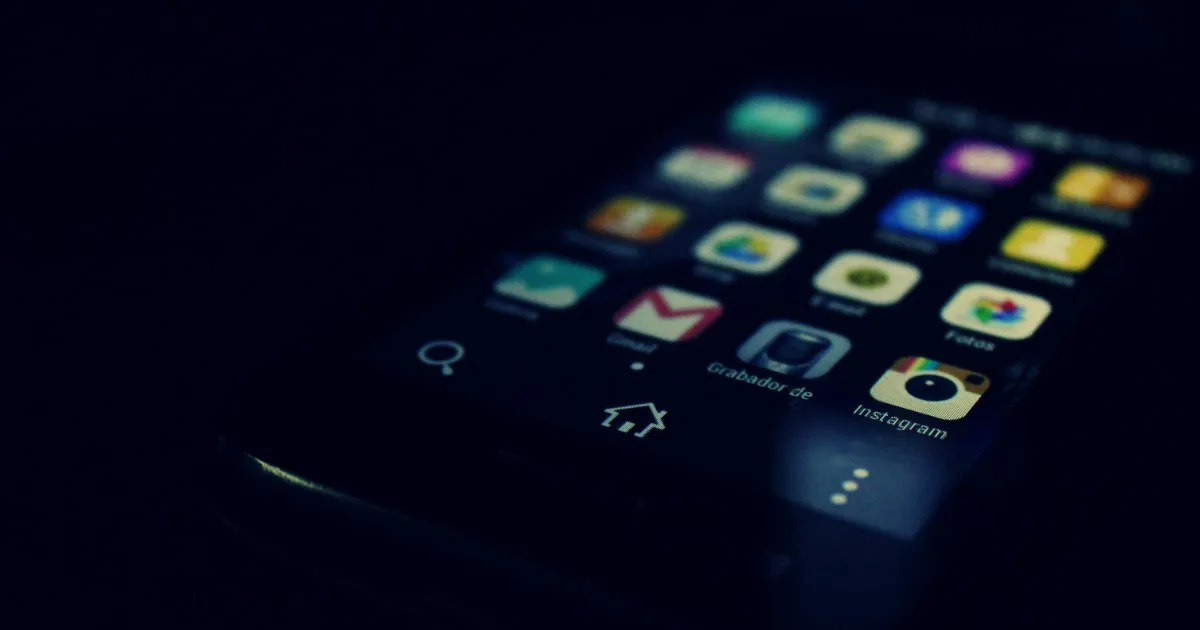
The screen glows in a dark room in Seattle. It is three in the morning, and someone is scrolling. They aren’t looking for a new blender or checking the news. They are looking for a world to disappear into, and usually, that search leads them straight back to the same three or four giant retailers that have owned our digital lives for a decade. We have been taught as writers that the only way to reach those tired, late-night eyes is to pay the gatekeeper, upload a file to a massive silo, and pray the algorithm smiles upon us for a week or two. But something is shifting. There is a quiet, persistent realization among those of us who make things that we are tired of renting our audience. We want to own the connection. This is where the conversation around author mobile apps starts to get interesting, not as a technical gimmick, but as a survival strategy for the creative soul.
Living on borrowed land is exhausting. You spend years building a following on a social media platform only for the company to change a line of code, rendering your reach invisible unless you pay for the privilege of talking to your own fans. It feels like building a beautiful house on a plot of land you don’t own. At any moment, the landlord can knock on the door and tell you the rent has tripled or the house is being demolished to make way for a digital highway you didn’t ask for. Having your own space on a reader’s home screen changes the power dynamic. It moves the relationship from a transaction to a residency.
When we talk about reader engagement, we often use it as a clinical term, something to be measured in spreadsheets and conversion rates. That misses the point of why people read. People read because they want to feel less alone, because they want to inhabit a different skin. A mobile app dedicated to a specific author’s universe provides a sanctuary for that feeling. It is a direct line that doesn’t get buried under political rants or ads for sneakers. It is a dedicated environment where the atmosphere is set by the writer, not by a corporate design language.
Creating a sanctuary beyond Amazon and the retail giants
The reliance on a single marketplace has created a culture of fear in the self-publishing community. We obsess over categories and keywords because we are fighting for a sliver of visibility in a sea of millions. But what happens when you move beyond Amazon and start thinking about the long game? It is a terrifying prospect to step away from the safety of the biggest bookstore in the world, yet the most resilient creators are the ones who have realized that a thousand loyal readers in a private ecosystem are worth ten thousand casual browsers who don’t remember your name once they finish the book.
An app allows for a type of storytelling that feels more immediate, almost tactile. You can drop a voice note about a character’s backstory while you’re walking the dog. You can share a rough sketch of a map or a deleted scene that didn’t fit the narrative flow but helps flesh out the world. These aren’t just marketing assets. They are fragments of a creative life. Readers who seek this out aren’t looking for a polished corporate experience. They want the rough edges. They want to see the scaffolding. They want to feel like they are part of a secret club that exists outside the cold, sterile halls of the major retailers.
There is a specific kind of intimacy that happens when an icon with your name on it sits right next to the person’s messages from their mother or their daily calendar. It is a psychological shift. You are no longer just a product they bought; you are a part of their daily digital ritual. This isn’t about constant pestering with notifications. In fact, that’s the quickest way to get deleted. It’s about being there when they are ready. It’s about providing a quiet corner where they know they can find exactly what they love without the distractions of a marketplace trying to upsell them on something else.
The shift toward author mobile apps as a home base
I remember talking to a writer who felt like she was shouting into a void every time she released a book. She had the mailing list, she had the social presence, but it all felt so fragmented. The data showed people were opening the emails, but the connection felt thin. She decided to consolidate. By putting her serials, her community, and her backlist into a dedicated mobile space, she stopped being a content creator and went back to being an author. The distinction is subtle but vital. Content is something you consume and discard. A book is something you live with. An app, when done with a human touch, feels more like a library and less like a feed.
We have reached a saturation point with traditional digital marketing. People are weary of being targeted. They are tired of the funnel. If you provide a direct, unmediated way for them to access your work, you are offering them a gift of simplicity. There is a certain rebellious joy in bypassing the standard distribution channels. It’s messy, sure. You have to handle your own tech hurdles, and you have to convince people to take that extra step to download something new. But the people who do? They are your people. They are the ones who will follow you through different genres and experimental phases because they aren’t just buying a book; they are investing in your perspective.
This movement isn’t for everyone. It requires a willingness to be seen and a commitment to maintaining a space that doesn’t just feel like a static brochure. If the app is just a series of links to buy things elsewhere, it will fail. It has to have a heartbeat. It needs to be a place where the air feels different. Maybe that means exclusive audio clips, or perhaps it’s a place where the comment section isn’t a battlefield, but a gathering of enthusiasts. It’s about building a campfire in a world that feels increasingly cold and algorithmic.
The landscape of how we consume stories is always changing, usually in ways that favor the giants. Taking up space on a mobile device is a way to reclaim a bit of that territory. It is an assertion that your work deserves its own container. Whether this becomes the standard or remains a niche path for the most dedicated is yet to be seen. But there is a certain freedom in not waiting for permission to exist in the pockets of your readers.
In the end, the technology matters far less than the intention. You could have the most sophisticated interface in the world, but if there is no soul behind it, it’ skeleton without skin. People can smell a corporate play from a mile away. They are looking for the person behind the prose. They are looking for a reason to stay engaged when the rest of the world is demanding their attention for a hundred different, louder reasons. Maybe the answer isn’t to shout louder, but to build a smaller, quieter room and invite people in.
What happens when the platforms we rely on eventually fade or pivot into something unrecognizable? We’ve seen it happen before. The history of the internet is a graveyard of “essential” sites that no longer exist. By fostering a direct connection now, you aren’t just marketing; you are future-proofing your creative life. It is a long, slow build. It isn’t a get-rich-quick scheme or a viral hack. It is the work of a craftsman tending to a garden, making sure the soil is rich and the fence is high enough to keep the noise out.
Whether it’s a place for early access or a hub for a sprawling multi-book universe, the goal remains the same. We want to be remembered. We want our stories to stick. And in a world of infinite scrolls, having a dedicated home might be the only way to truly stay in sight.
FAQ
Not necessarily, but it functions differently. While an email is a letter sent to a home, an app is the home itself. They can work in tandem, but the app provides a persistent, branded environment that an inbox, cluttered with receipts and work pings, simply cannot match.
Resistance is natural. People are protective of their storage space. However, for a dedicated fanbase, the friction of a download is often outweighed by the value of exclusive content or a better reading experience. It’s about the quality of the incentive, not just the existence of the tool.
An app is rarely a tool for finding new readers; it is a tool for keeping the ones you have. Discovery still happens in the wild—social media, word of mouth, or retail stores—but the app is where those casual observers become true patrons.
This is the hidden hurdle. A digital space requires tending. It isn’t a set-it-and-forget-it solution. But for many, the cost of maintenance is a fair trade for the lack of advertising fees and the security of owning the direct line to the audience.
The logistics of in-app purchases are often dictated by the major mobile operating systems and their fee structures. Many authors choose to use their apps for engagement, community, and reading, while keeping the actual financial transactions on their own websites to maintain better margins.