


I was sitting in a crowded transit hub recently, one of those hyper-modern spaces where everything is glass and glowing screens, and I noticed something that felt like a glitch in the matrix. Amidst the sea of people scrolling through vertical video feeds, nearly half a dozen individuals were hunched over physical books. Not tablets, not e-readers, but actual paperbacks with creased spines and dog-eared pages. It felt like a quiet rebellion.
As we move through 2026, the data is confirming what my eyes already saw. We are witnessing a massive surge in paperback sales that few saw coming a decade ago when digital was supposed to have killed the physical medium. It turns out that the more digital our lives become, the more we crave something we can actually hold. There is a specific kind of fatigue that comes from staring at pixels all day, and the publishing world is finally catching up to the fact that a book is not just a delivery mechanism for information. It is an object. It is furniture. It is a statement of identity.
The resurgence isn’t just about nostalgia. It is about a fundamental shift in how we consume media. In an era where AI-generated content can flood digital marketplaces in seconds, the physical book has become a “trust signal.” You can’t just hallucinate a 300-page perfect-bound volume into existence on someone’s nightstand without some level of human intentionality. This shift is creating a goldmine for those who understand how to navigate the modern landscape of high-quality physical production.
The Evolution of Print-on-Demand and the New Collector Culture
The backbone of this movement is the incredible advancement in Print-on-Demand technology. We have moved far beyond the days of grainy covers and flimsy paper that felt like it was harvested from a recycled cereal box. In 2026, the infrastructure for small-scale, high-quality printing has become so sophisticated that the gap between a massive traditional publisher and a lean, agile independent creator has all but vanished.
This technological leap has coincided with a shift in paperback trends that favors the “aesthetic” reader. We are seeing a massive rise in what people call Romantasy and high-concept Thrillers, genres where the physical book serves as a collectible. Readers aren’t just buying the story, they are buying the sprayed edges, the matte-finish covers, and the weight of the paper. They want something that looks good on a shelf because their bookshelf is the backdrop of their digital life.
I spoke with a niche publisher last week who mentioned that their digital sales have plateaued, while their physical orders are up 40 percent year-over-year. They aren’t doing anything differently with the marketing, but they did change the paper stock. They moved to a heavier, cream-colored woodfree paper that smells like a library and feels substantial in the hand. It sounds trivial, but in a world of frictionless digital experiences, friction is exactly what people are paying for. They want the tactile click of a page turning. They want the physical marker of how much of the journey they have left to travel.
This collector culture is driving a new economy. We are seeing people treat books like vinyl records. They might listen to the audiobook while commuting, but they buy the paperback to own the “definitive” version. For creators and entrepreneurs in the finance and publishing space, this represents a pivot from “content volume” to “object quality.” If you are putting out a product that feels disposable, the market will treat it as such. But if you treat the physical format as a premium experience, the margins follow.
Mastering Book Design 2026 to Stand Out in a Saturated Market
If the “why” is rooted in a desire for tangibility, the “how” is rooted in meticulous craft. You cannot simply upload a PDF meant for a screen and expect it to translate to a successful physical product. When we talk about how to optimize your print layout, we are talking about the architecture of the reading experience.
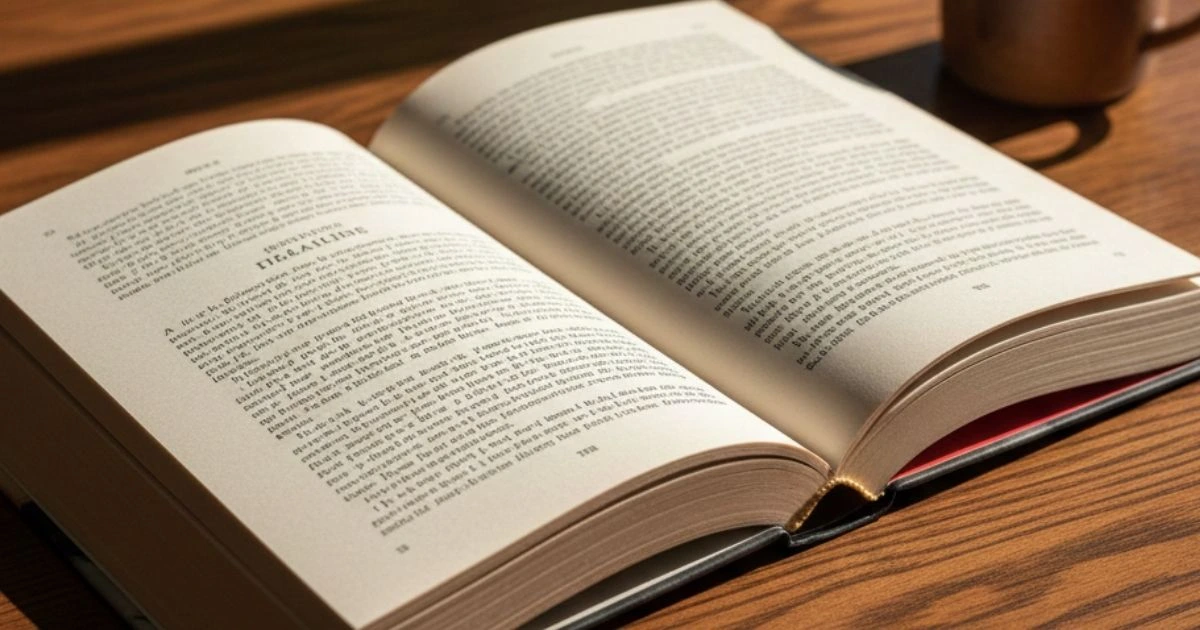
In the current landscape of book design 2026, the biggest mistake I see is a lack of “breathing room.” Digital layouts often try to maximize every square millimeter of space because scrolling is free. In print, white space is a luxury. It is the silence between the notes. A layout that is too dense feels suffocating to a modern reader who is already overstimulated.
The margins are where the magic happens. A deep inner gutter is essential so the reader doesn’t have to break the spine just to see the start of a sentence. The exterior margins should be wide enough for a thumb to rest comfortably without covering the text. These are the “lived-in” details that differentiate a professional book from an amateur one.
Then there is the typography. We are seeing a move away from the hyper-clean, sterile sans-serif fonts that dominated the early 2020s. People want character. They want serifs with a bit of soul, something that anchors the eye to the page. The choice of font isn’t just about legibility, it is about the “voice” of the book before a single word is read.
I often think about the psychology of the “flip test.” When a potential buyer picks up a book in a shop, or even looks at a preview online, they flip through the pages. If they see a wall of text with no breaks, no thoughtful headers, and no visual hierarchy, their brain registers “work.” If they see a layout that feels balanced, with clear chapters and generous line spacing, their brain registers “escape.”
Optimizing for print is an act of empathy for the reader. It is acknowledging that they are giving you their most precious resource, their attention, and in return, you are providing a sanctuary away from the digital noise. This is why the aesthetic of the interior is becoming just as important as the cover art.
As we look toward the rest of the year, the winners in this space won’t be those who produce the most, but those who produce the best. The market is hungry for things that feel real, things that have weight, and things that were clearly made by human hands with a specific vision. The paperback isn’t coming back because it’s better at delivering data; it’s coming back because it’s better at delivering an experience.
Perhaps the most interesting thing about this trend is that it isn’t being driven by the older generations. It is the digital natives, the ones who grew up with a screen in their hand, who are leading the charge back to paper. They are looking for an “off-ramp” from the algorithm, and they’ve found it in the simple, ancient technology of bound paper. It makes you wonder what other “obsolete” things are currently waiting for their turn to be new again.

