
The ink on the page used to be enough. We lived in a world where a quiet, brilliant mind could retreat into a cabin, emerge with a manuscript, and let the work do the heavy lifting of existence. But as we navigate through 2026, that romanticized isolation feels less like a creative choice and more like a tactical error. I spent years believing that my words were the only currency I needed to trade in, only to realize that the modern reader doesn’t just want to read my stories, they want to see the person who dreamt them up. The shift from author to content creator isn’t a demotion or a distraction, it is a fundamental survival mechanism in a landscape where attention is the only asset that actually matters.
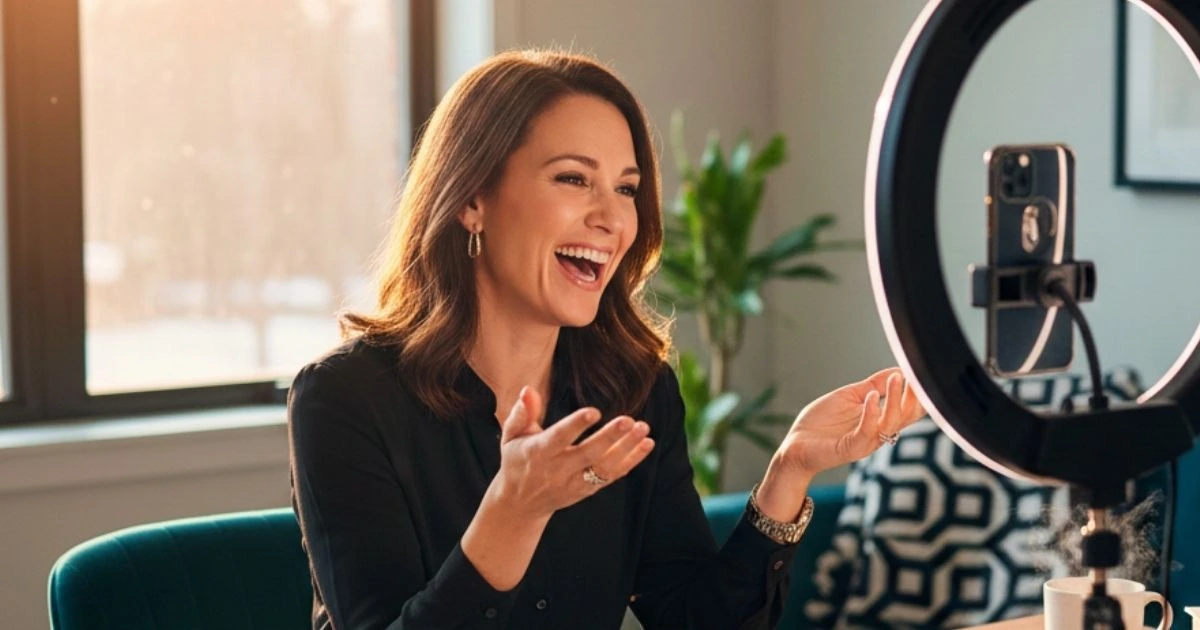
I remember the first time I felt the pressure to hit “record.” It felt hollow and performative, like I was cheapening the sanctity of the written word by condensing it into a sixty-second vertical clip. But then I saw how people reacted. They didn’t care about the high-production value or the perfect lighting. They cared that I stumbled over my words while explaining a plot hole. They cared about the messy stack of research books on my desk. In a world of polished, AI-generated perfection, the humanity of a writer trying to navigate a camera lens became the hook. Author marketing has ceased to be about the book itself and has become an exercise in radical transparency. We are no longer just selling a finished product, we are selling the privilege of watching the process unfold.
The Raw Power of TikTok for Authors in the Era of Connection
The algorithm is a fickle beast, but it has a strange affinity for the genuine. Watching a writer talk about their failures on a short-form video platform does something that a glossy back-cover blurb never could. It builds a bridge. When we talk about TikTok for authors, we are really talking about the democratization of the “behind the scenes” experience. I used to think I needed a publicist to get me a slot on a morning show to reach a few thousand people. Now, I can reach those same people from my kitchen while the coffee is brewing. The barrier to entry has vanished, but the barrier to engagement has risen. You cannot hide behind a professional headshot anymore.
There is a specific kind of magic in seeing a writer’s face light up when they talk about a character who finally started speaking to them. That energy is infectious, and it converts a passive observer into a stakeholder in your success. Readers in 2026 are savvy. They know when they are being marketed to, and they have developed a sharp allergy to the “hard sell.” They don’t want to be told to buy a book, they want to feel like they are supporting a journey they have been part of for months. This shift requires a level of vulnerability that most writers aren’t naturally comfortable with. We are used to the safety of the edit, the luxury of the second draft. Video doesn’t allow for that. It is immediate, it is raw, and it is exactly what the market demands.
I’ve watched colleagues spend thousands on traditional advertising only to see a fraction of the return that a single, heartfelt video about their “why” generated. It’s not about being a “personality” in the influencer sense. It’s about being an anchor in a sea of noise. If you can show a reader that you are a real person with real doubts and a real passion for the craft, the transaction of buying a book becomes an act of community rather than a simple retail purchase.
Mastering the Personal Brand 2026 Strategy through Visual Storytelling
Building a presence today isn’t about being everywhere, it’s about being deeply present in a few specific places. The concept of the personal brand 2026 version has moved away from the curated aesthetic of years past toward something much more visceral. It’s about the “document, don’t create” mentality. If I spend my whole day writing, my content should reflect that. It shouldn’t be a staged photo of a typewriter, it should be a time-lapse of me staring at a blank screen for three hours followed by five minutes of frantic typing. That is the reality of the work, and the reality is what resonates.
The transition to becoming a content creator means accepting that your “work” now has two components: the art you produce and the story of how you produced it. Some might find this exhausting, and I won’t lie, there are days when the last thing I want to do is talk to my phone. But the leverage it provides is undeniable. When you own the relationship with your audience through video, you are no longer beholden to the gatekeepers. You aren’t begging for a spot on a shelf, you are inviting your community to a digital table you’ve already set.
We are seeing a massive migration of intellectual property. Authors are realizing that their voice is a brand that can be leveraged across multiple mediums. A successful video series can lead to a podcast, which leads to a newsletter, which eventually feeds the book sales. It’s a closed-loop ecosystem where the author is the sun at the center. The most successful people I know in the finance and publishing niches aren’t just great writers, they are masters of the “vibe.” They understand that in a digital economy, trust is the only currency that doesn’t depreciate. And trust is built through the eyes. It is built through the tone of your voice and the way you handle a difficult question in a live stream.
As we move further into this year, the divide between those who embrace the camera and those who resist it will only widen. It isn’t enough to be a good writer in 2026. You have to be a guide. You have to be willing to lead your readers through the forest of your own imagination in real-time. It’s a tall order for a group of people who historically preferred the shadows, but the light is where the growth happens. The writers who will dominate the next decade are the ones who realize that the camera isn’t a critic, it’s a megaphone for the soul of their work.
I find myself looking at my workspace differently now. Every corner is a potential set, every thought a potential hook. It’s a more active way of living, a more connected way of creating. Does it take away from the writing time? Perhaps a little. But the writing is better because I know exactly who I am talking to. I see their comments, I hear their questions, and I feel their presence long before the first copy is printed. The author is no longer a ghost in the machine. We are the heartbeat of the content itself.
Where does this leave the traditionalist? Probably in the archives. There will always be a place for the purely written word, but the path to finding an audience for it has changed forever. We are all creators now, whether we signed up for it or not. The question isn’t whether you should start making video, but how much longer you can afford to stay invisible.
