The Unveiling: More Than Just Fabric and Fashion in the Skies
A milestone anniversary for any airline is usually accompanied by fanfare, bonus miles, or perhaps deep discounts on routes. But when Volaris Group Inc. hit the two-decade mark, they dropped a subtle, yet potentially profound, signal to the market that goes far beyond mere aesthetics: they are fundamentally rethinking their supply chain using a radical circular economy model for their employee uniforms. This isn’t just about looking sharp for the next fiscal year; it’s a calculated strategic pivot that speaks volumes about operational resilience and brand valuation in a post-pandemic world obsessed with Environmental Social Governance metrics. While the headlines focus on the sharp new design inspired by the “Cosmos” and the collaboration with Mexican design heavyweights like Mariana Luna and the legendary Eduardo Terrazas, the real financial story lies in the disposition of the old garments.
CEO and Founder Enrique Beltranena’s recollection—stating they literally bought off-the-rack black suits just to fly the next day two decades ago—serves as a powerful narrative anchor. It underscores a history built on agility and lean operations, the bedrock of a successful ultra-low-cost carrier. However, the transition from panicked improvisation to meticulously planned circularity signals a maturation phase. They are moving past simply surviving and into a deliberate phase of optimization, utilizing their physical assets, even worn-out textiles, as an integrated resource stream rather than just an operational expense that hits the landfill. This subtle shift in inventory management and branding responsibility is what sophisticated investors should be watching far more closely than the pattern on the new scarves.
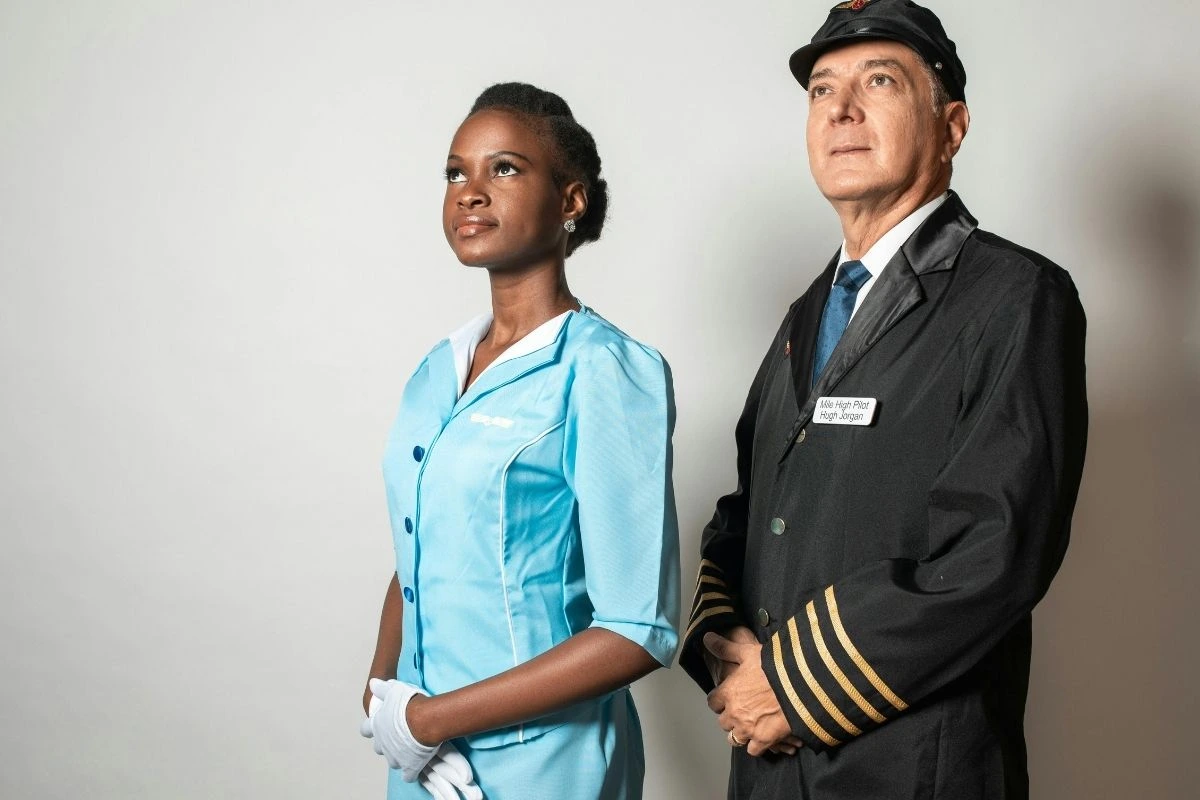
The new uniform itself, designed to embody geometry, order, and the invisible forces of flight, aims to project a modern, consistent image. This visual harmony is critical for brand recognition, especially for an airline known for connecting expansive networks across the Americas. But this modernization is twinned immediately with a commitment to sustainability: transforming obsolete textiles, rather than discarding them. This integrated approach—celebrating design innovation while simultaneously instilling robust, real-world sustainability—is a rare combination that appeals simultaneously to cost-conscious travelers and ESG-focused institutional investors.
The Circular Economy Play: Turning Textile Waste into Tangible Assets
The core of this strategic move rests on the implementation of a tangible circular economy program. Instead of destroying or donating old uniforms, Volaris Group Inc. is initiating a process where those garments are broken down and reformed into marketable consumer products. Specifically, the commitment to creating passport holders and travel toiletry bags designed for customers signals a direct integration of waste reduction with customer loyalty initiatives. This is a genius stroke of dual-purpose engineering: it drastically cuts down on disposal costs and the associated carbon footprint calculations, while simultaneously generating a tangible, branded accessory that reaches the customer’s hands.
The process involves textile recycling followed by collaboration with artisan communities in Oaxaca. This outsourcing of upcycling to traditional craftspeople is not merely a philanthropic gesture; it is a strategic diversification of specialized labor while embedding authentic cultural value into the final product. Every bag carries a narrative of Mexican heritage and sustainable commerce. For the airline, this reduces the direct manufacturing cost associated with sourcing new promotional items, effectively turning a liability—old uniforms—into a revenue-adjacent asset stream. The story they can now tell investors and the public about waste diversion and community uplift is invaluable in today’s ethically scrutinized market.
Consider the financial implications when scaled. Uniform replacement cycles, though infrequent, generate substantial textile waste. By diverting 100 percent of this material into newly created, branded items, Volaris isn’t just saving on landfill fees; they are creating a closed-loop promotional ecosystem. This closed loop minimizes external procurement risks associated with volatile raw material markets for cheap souvenirs. It’s a powerful demonstration of operational intelligence, transforming a necessary periodic expense into a branding opportunity that resonates deeply with modern consumer values.
Historical Context: Maturation from Ultra-Low-Cost Disruptor to Sustainable Innovator
Volaris began its life emulating the pure, bare-bones model that revolutionized air travel globally. The early days were characterized by ruthless cost control—the necessity of buying generic black suits illustrates a focus purely on getting planes in the air and tickets sold as cheaply as possible. This era of aggressive disruption is what built their market share against legacy carriers.
However, the market has evolved significantly since those lean beginnings. Today, ultra-low-cost carriers face scrutiny not only on ticket price but on operational modernization and long-term sustainability planning. Had Volaris simply incinerated their old uniforms, they would have faced predictable backlash from consumers and sustainability indices. By proactively addressing this waste stream with an intricate upcycling plan, they are signaling that their low-cost structure does not equate to low standards of corporate responsibility. They are effectively immunizing themselves against the common criticisms leveled at budget airlines regarding environmental impact.
Compare this move to other major industry shifts. When airlines began digitizing boarding passes, it was framed as modernization; when they started charging for baggage, it was framed as unbundling costs. This uniform initiative is a third-wave evolution: sustainability as operational efficiency. It mirrors the early adoption of fuel-efficient aircraft—not just because it saves money per flight, but because it redefines the core identity of the carrier for the next generation of travelers who prioritize alignment with responsible brands.
The “Cosmos” Aesthetic: The Psychology Behind the Design Investment
The choice of “Cosmos” as the design inspiration is more than just clever marketing copy. It taps into deep psychological drivers in aviation. Flight itself is orderly, guided by precise physics—geometry and order, as the design suggests. By echoing these invisible forces that enable flight, Volaris is visually reinforcing the reliability and precision inherent in their operations, even while maintaining their accessible price point. This bridges the emotional gap consumers often feel between budget options and premium service—suggesting they deliver the professionalism without the premium price tag.
Furthermore, the involvement of Eduardo Terrazas, an artist tied to the iconic 1968 Mexico City Olympics branding, lends significant cultural weight and artistic authority to the project. This association subtly elevates branded apparel from mere corporate wear to functional art. For the Ambassadors, who are the direct face of the brand, wearing such a deliberately crafted ensemble boosts internal pride and external perception. When employees feel valued and representative of a sophisticated project, service quality often improves—a direct, albeit quantifiable, operational benefit.
The design premise, “We create strokes that connect,” speaks directly to the power of infrastructure and connectivity. Volaris operates an extensive network, and the uniform becomes a symbol of the vital infrastructure role they play, connecting families, businesses, and tourism across geographies. This intangible value proposition, built into the very fabric of their employee presentation, is a critical differentiator that standard, off-the-shelf uniforms simply cannot achieve.
Analyzing the Ripple Effects on Operational Cost and Brand Equity
The sustainability initiative by Volaris Group Inc. has demonstrable impacts across several key operational areas, extending far beyond the initial PR boost. First, consider regulatory compliance and future carbon accounting. As global aviation faces ever-tightening emissions reporting, demonstrating verifiable circularity in supply chain management becomes crucial for accessing certain green investment funds or qualifying for international partnership benefits designed for environmentally conscious operators.
Second, the labor aspect regarding the artisans in Oaxaca introduces flexibility into their sourcing strategy. Relying on specialized, localized craftsmanship for upcycling reduces dependency on high-volume, mass-production textile facilities, which often come with their own auditing risks and ethical labor overheads. This distributed, high-value upcycling model mitigates risks associated with centralized supply chain disruptions.
Third, the impact on employee recruitment and retention cannot be overstated. In a competitive labor market for flight attendants and ground crew, unique benefits tied to corporate values matter. Being associated with an airline that actively engages in waste reduction and supports traditional Mexican artistry makes employment significantly more appealing than at carriers offering standard, uninspired workwear and zero long-term visibility on sustainable practices.
Future Scenarios: Where This New Direction Takes Volaris
Looking ahead, three primary trajectories emerge from this strategic alignment of design, circularity, and operations. The first scenario sees Volaris establishing itself as a clear leader in Latin American sustainable aviation practices. If the circular program becomes a benchmark, they could unlock preferential partnerships with green financing entities, potentially lowering their overall cost of capital over the next five years as lenders increasingly prioritize demonstrably sustainable operators.
A second, more aggressive scenario involves scaling this upcycling model into a separate, high-margin retail division. If the upcycled toiletry bags and passport holders prove sufficiently desirable—given the Terrazas design pedigree—Volaris could begin selling these items online outside of their flight routes. This effectively transforms a defunct asset class into a completely new, profitable low-overhead product line, providing a minor but stable diversification stream anchored entirely by internal recycling efforts.
The third scenario involves competitive emulation. If Volaris successfully demonstrates that integrating high design, cultural narrative, and deep sustainability into mundane operational elements like uniforms yields measurable benefits in brand perception and employee morale, their regional competitors will be forced to respond. This innovation, though subtle, could force the sector into a new stage of differentiation where operational greenwashing is replaced by demonstrable, integrated sustainability solutions, ultimately benefiting the wider aviation ecosystem through necessary innovation borne out of necessity and anniversary celebration.
FAQ
What is the primary strategic move Volaris is signaling beyond the aesthetic upgrade of their new uniforms?
The primary move is the fundamental adoption of a radical circular economy model for managing their employee uniforms. This signals a maturation phase focused on optimizing physical assets rather than just managing operational expenses.
How does the new uniform initiative directly address Environmental Social Governance (ESG) metrics important to investors?
By transforming obsolete textiles into marketable products instead of sending them to a landfill, Volaris demonstrates verifiable waste reduction and supply chain circularity. This proactive approach appeals directly to institutional investors focused on sustainability performance.
What specific customer products are being created from the decommissioned Volaris uniforms?
The old uniform textiles are being broken down and reformed into marketable consumer items, specifically branded passport holders and travel toiletry bags. This integrates waste reduction directly into customer loyalty initiatives.
What strategic advantage does outsourcing the upcycling process to Oaxacan artisan communities provide for Volaris?
This partnership embeds authentic cultural value into the final product while diversifying specialized labor sourcing away from centralized manufacturing. Strategically, it reduces direct manufacturing costs for promotional items and enhances their corporate social narrative.
How does the circular uniform economy minimize external procurement risks for Volaris?
By creating a closed-loop promotional ecosystem utilizing existing materials, Volaris minimizes reliance on external sourcing for promotional souvenirs. This insulates them from potential volatility or risks associated with global raw material markets.
What does the origin story of Volaris buying off-the-rack suits illustrate about their historical business philosophy?
That history highlights an initial business model built on extreme agility, lean operations, and ruthless cost control, characteristic of a successful ultra-low-cost disruptor. It contrasts sharply with their current methodical approach to asset management.
How does the ‘Cosmos’ aesthetic visually reinforce Volaris’ operational reliability?
The design, inspired by geometry and order, taps into the psychological perception of precision inherent in aeronautics and physics. By echoing these invisible forces of flight, Volaris visually suggests reliable and ordered operations despite their low-cost positioning.
What intangible value is gained by involving designers like Eduardo Terrazas in the uniform project?
The association with Terrazas lends significant cultural weight and artistic authority, elevating the uniforms from mere corporate wear to functional art. This subtly boosts internal employee pride and external passenger perception of sophistication.
In comparison to digitizing boarding passes or charging for baggage, how is this uniform move framed as a ‘third-wave’ industry evolution?
This move is framed as integrating sustainability directly into operational efficiency, moving beyond simple cost-cutting or digital modernization. It redefines the carrier’s identity for environmentally conscious modern travelers.
What are the immediate financial benefits of Volaris implementing this textile diversion program?
The immediate benefits include drastically cutting down on disposal costs associated with landfill fees and generating revenue-adjacent value from items created from waste. It transforms a liability into a branded asset stream.
How might this comprehensive sustainability move help Volaris secure favorable financing in the future?
Demonstrable circularity in their supply chain management becomes crucial for qualifying for green investment funds or preferential terms offered by lenders increasingly focused on sustainable operators. This can lower their overall cost of capital.
What risk does Volaris mitigate by not simply incinerating or donating their old uniforms?
They mitigate the predictable backlash from consumers and sustainability indices that often criticize budget airlines for lacking environmental responsibility. It provides a defense against common criticisms regarding operational modernization.
What is the identified ripple effect on employee recruitment and retention stemming from this new workwear?
Employees are more attracted to carriers whose corporate values align with their own, making employment appealing due to waste reduction efforts and support for traditional Mexican artistry. This boosts morale and offers a competitive edge in hiring.
What is the aggressive, future scalability scenario proposed for this upcycling initiative?
The aggressive scenario suggests Volaris could scale the upcycled items into a separate, high-margin retail division selling items like bags online, independent of flight routes. This creates a new, low-overhead product diversification stream.
How does the new uniform strategy address the labor auditing risks associated with mass production facilities?
By shifting upcycling labor to localized, specialized artisan communities, Volaris diversifies its sourcing away from mass-production facilities that often carry higher ethical labor auditing overheads and risks.
What is the practical implication of the design theme, “We create strokes that connect,” for Volaris’ business model?
It reinforces the airline’s vital role in infrastructure and connectivity, linking families, businesses, and tourism across its extensive network. The uniform visually symbolizes this crucial functional role.
What is the first primary trajectory Volaris could establish based on this strategic alignment?
The first trajectory is establishing Volaris as a clear leader in Latin American sustainable aviation practices, setting a positive benchmark for the region. This leadership position can attract preferential partnerships.
How does the concept of converting textile waste into customer-facing accessories serve as a dual-purpose engineering stroke?
It simultaneously generates a tangible, value-added branded accessory for customers while drastically lowering the airline’s carbon footprint calculations related to waste disposal. This maximizes the utility of a defunct asset.
What strategic necessity does this move address in the current post-pandemic market environment?
It addresses the market’s increased focus on operational resilience and adherence to rigorous Environmental Social Governance (ESG) metrics for long-term viability. It shows they are built for optimization, not just survival.
What long-term impact might Volaris’ success in this niche force upon its regional airline competitors?
If demonstrated benefits in brand perception and morale occur, competitors will be compelled to respond by integrating demonstrable sustainability into their own operations. This forces the sector toward necessary innovation beyond mere greenwashing.
How does the combination of high design and deep sustainability appeal to Volaris’ diverse customer base?
It appeals to cost-conscious travelers by maintaining the low-cost structure, while simultaneously attracting ESG-focused travelers by showcasing robust, real-world sustainability commitments. This broadens market appeal simultaneously.