
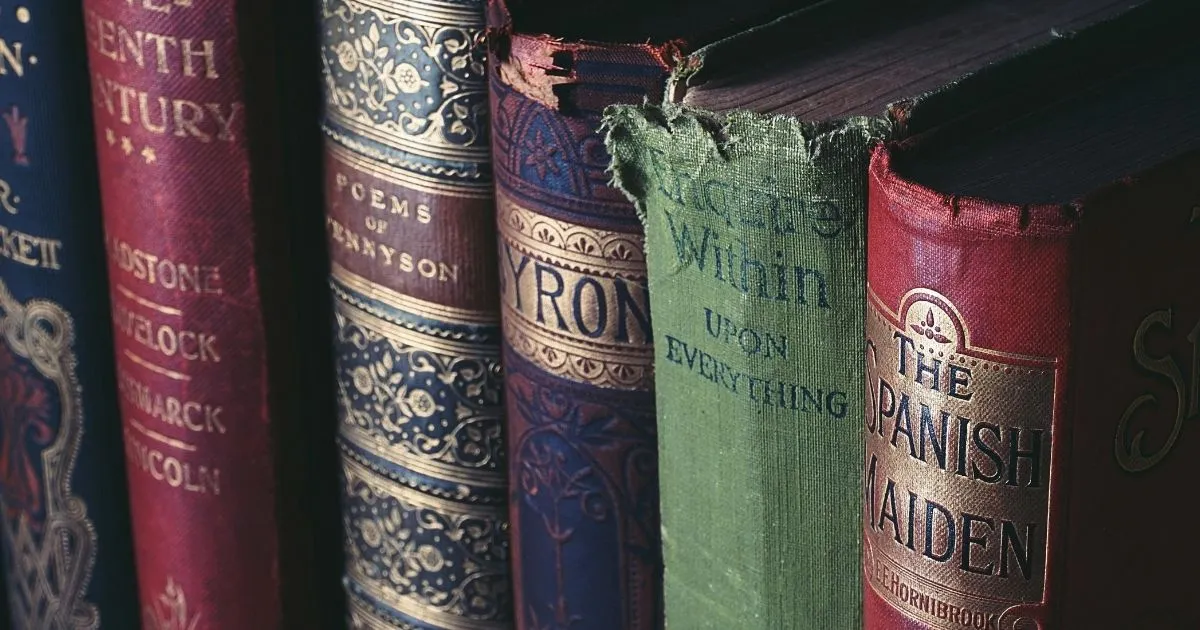
I remember sitting in a dimly lit corner of a local library years ago, watching a man painstakingly scan pages of an 1890s ledger. At the time, I thought it was a hobby, a quaint obsession with the past. It took me a few years of navigating the jagged edges of the finance world to realize he wasn’t just a history buff. He was mining. He was looking for intellectual property that had outlived its masters, works that were no longer shackled by the restrictive chains of copyright. He was looking for Public Domain Books.
The concept of the public domain is often treated like a dusty attic, full of things people have forgotten. In reality, it is more like a vast, fertile field where the fences have been torn down. When a book enters this space, it becomes common property. It belongs to me, it belongs to you, and more importantly, it belongs to any entrepreneur with the foresight to see its latent value. We live in an era where digital assets are the new gold, yet many investors overlook the most stable asset class in existence: the classics.
Resurrecting Value in the Digital Asset Economy
There is a specific kind of thrill in finding a work that has been legally set free. In the United States, for instance, we recently saw a massive influx of works from the 1920s enter the public domain. These aren’t just old stories. They are blueprints. When you look at these texts through the lens of a modern digital business, you stop seeing paper and start seeing high-margin opportunities. The beauty of this niche lies in the lack of overhead. You aren’t paying royalties to an estate. You aren’t negotiating with a publishing house that wants to eat 90 percent of your profit. You are the publisher, the owner, and the distributor.
However, simply dumping an unformatted text onto a marketplace is a recipe for silence. The market in 2026 has become remarkably sophisticated. Readers, even those looking for a bargain, have zero tolerance for poor formatting or pixelated covers. The real money moves toward those who treat these works with a sense of “Premium Era” craftsmanship. I have seen small agencies take a single public domain title, something obscure like an old manual on Victorian horticulture or a forgotten philosophical treatise, and turn it into a multi-channel revenue stream. They don’t just sell an ebook. They create high-end leather-bound physical editions through print-on-demand services, they produce AI-narrated audiobooks that sound indistinguishable from human talent, and they design minimalist wall art based on the original illustrations.
This is where the concept of differentiation becomes the bridge between a hobby and a legitimate financial asset. Amazon and other major platforms have tightened their grip. They don’t want a thousand identical copies of Pride and Prejudice. They want the “Annotated Investor’s Edition” or the “Illustrated Collector’s Series.” By adding a fresh introduction, historical context, or even a glossary of terms that have fallen out of the modern lexicon, you create a new, copyrightable layer of intellectual property. You take a public asset and, through a bit of creative alchemy, transform it back into a private one. It is a legal, ethical, and incredibly lucrative way to build a portfolio of assets that never stop working.
Strategic Acquisition and the Art of the Long Game
In the circles I move in, people often ask if the “easy” books are all taken. It is a fair question. If you go to a digital marketplace and search for the most famous titles, you will find a sea of competition. But the public domain is not just about the hits. It is about the long tail. There are tens of thousands of books that have moderate, consistent search volume but zero high-quality modern editions. This is where the tactical investor finds their edge.
I tend to look for titles that have a “practical” shelf life. Self-help from the early 20th century, for example, is a goldmine. The language might be a bit flowery, but the core principles of human psychology haven’t changed in a hundred years. When you take a text from 1910 and “translate” it for a 2026 audience, perhaps by updating the examples to reflect modern technology while keeping the original wisdom intact, you are providing a service that people are willing to pay for. You are essentially a curator of human knowledge.
The scalability of this model is what makes it so attractive to the finance-minded individual. Once you have a system for cleaning up a text, designing a professional cover, and navigating the metadata requirements of various platforms, the marginal cost of adding the next book to your catalog drops toward zero. You are building a digital estate. Some books might only bring in fifty dollars a month, but when you own a hundred of those “minor” assets, the aggregate cash flow begins to look like a very serious business. It is a quiet, steady build. There is no “vape-ware” here, no speculative bubble that might burst tomorrow. These are stories and ideas that have already survived for a century. They are the definition of evergreen.
I often think back to that man in the library. I wonder how many digital storefronts he owns now, or if he sold his entire collection to an aggregator for a mid-six-figure exit. It happens more often than people think. Large companies are always looking for “packaged” digital businesses that have consistent histories of earnings and clean legal titles. A well-organized catalog of public domain works is exactly that: a transparent, verifiable, and productive asset.
We are currently in a window where the tools to revitalize these works, from sophisticated layout software to high-end design suites, have never been more accessible. The friction that once kept people out of the publishing world has vanished. What remains is the need for a discerning eye and a willingness to do the work that others find too tedious. In a world of fleeting trends and loud, aggressive marketing, there is something deeply satisfying about building a business on the bedrock of the past. It’s a way to participate in the future of the digital economy without losing sight of the foundations that built it.
What if the most valuable asset you could own this year isn’t a new piece of code, but a century-old perspective that the world is finally ready to hear again?
