It was late on a Tuesday when I realized the conversation had shifted for good. I was sitting in a dimly lit corner of a local haunt, listening to a friend who has spent thirty years trading physical commodities complain about the weight of his safe. He wasn’t talking about the literal pounds of metal, but rather the psychological burden of holding onto a legacy that feels increasingly detached from the speed of the modern world. We often talk about the intrinsic value of things we can touch, yet we rarely acknowledge how much of our lives now exists in the ether. This transition toward Digital Assets isn’t just a technical upgrade or a trend for the Silicon Valley elite. It is a fundamental rewiring of how we perceive ownership and wealth in an era where the physical and the virtual are no longer separate rooms but a single, continuous space.
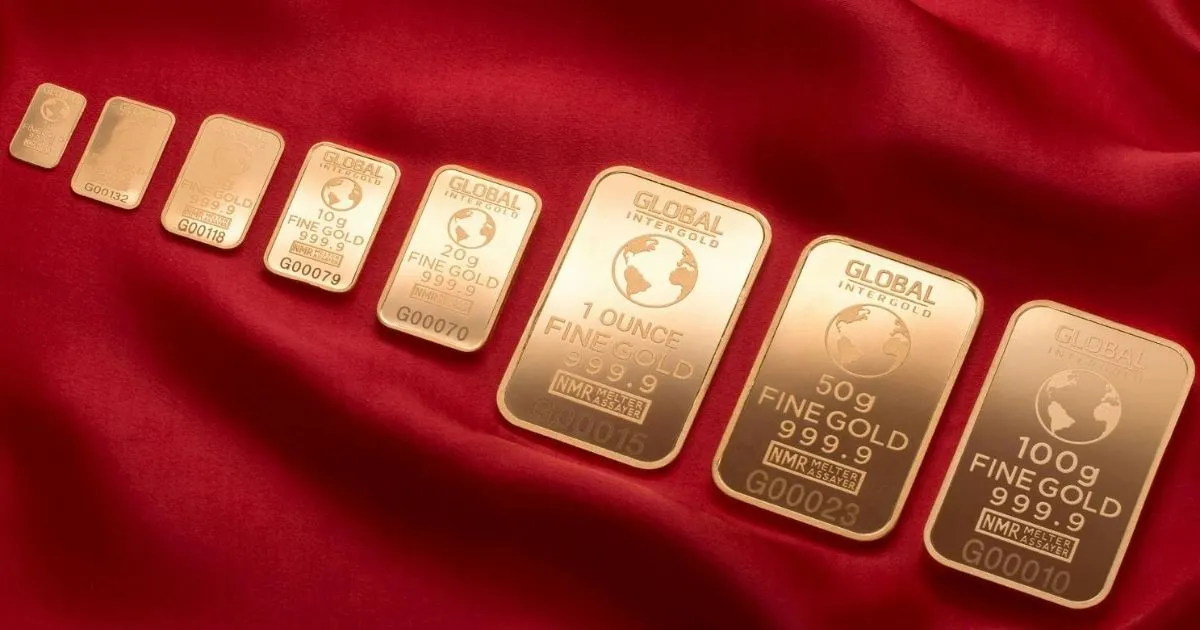
For decades, the standard for stability was found in the heavy, unyielding reality of minerals. I remember the first time I felt the weight of a gold bar. It has a gravity that demands respect, a sort of silent promise that no matter what happens to the banks or the headlines, this piece of the earth remains. But the world is getting faster, and the friction of moving physical wealth is becoming a liability. When we look at the current landscape, we see a generation that values liquidity and borderless access over the comfort of a vault. This doesn’t mean the old standards are dead, but it does mean they are being viewed through a new lens.
Navigating the Volatility of Gold Price and the Search for Modern Stability
There is a specific kind of anxiety that comes with watching a ticker move. Most people treat the gold price like a heartbeat monitor for the global economy. When the line goes up, the world is afraid. When it stays flat, we are bored. But lately, that heartbeat feels like it is competing with a new frequency. I’ve spent a lot of time thinking about why people are suddenly willing to trust a line of code as much as they trust a gold bar. It comes down to the transparency of the system. In the old world, you had to trust the assayer, the storage facility, and the transport team. In the new world, the ledger is the truth.
I recently spoke with someone who sold a significant portion of their traditional portfolio to move into online businesses and virtual holdings. They told me that for the first time in their life, they felt like they actually owned their time. Physical commodities require maintenance and protection. They are stationary. A well-constructed portfolio of virtual interests is alive. It generates value through engagement and utility, rather than just sitting in the dark waiting for a crisis. We are seeing a massive migration of capital away from passive, heavy holdings toward active, digital ones. This isn’t just about chasing returns. It is about the desire for a portfolio that reflects the way we actually live today. We work in the cloud, we socialise in the cloud, and it only makes sense that our primary stores of value should eventually follow us there.
The traditionalists will tell you that you can’t eat code, which is true. But you also can’t buy a coffee with a sliver of a coin without a great deal of hassle. The utility of a thing is what gives it lasting power. When the world feels unstable, the instinct is to grab onto something solid. However, the definition of solid is changing. In a digital economy, a solid asset is one that can be verified instantly, moved globally, and integrated into a variety of platforms without a middleman taking a cut of the soul of the transaction.
Understanding Silver Price Movements in an Increasingly Virtual Economy
While the heavy hitters focus on the yellow metal, there has always been a different kind of energy surrounding the silver price. It is the more erratic, more industrial, and perhaps more human sibling of the precious metals family. It is often seen as the entry point for the common investor, the one who wants a hedge but doesn’t have a king’s ransom to spare. In my experience, silver represents the bridge between the old and the new. It has the history of a currency but the utility of a modern industrial component. Yet even here, the digital shadow is growing.
I’ve watched as people who once obsessed over physical ounces have begun to look at the cash-flow potential of digital storefronts and established online properties. There is a realization dawning on the market that an asset that produces a monthly yield is often more “precious” than one that simply maintains its purchasing power. Silver is a beautiful thing to hold, but it is a silent partner. A digital business, an established content platform, or a piece of virtual infrastructure is a partner that talks back. It provides data. It provides feedback. It grows with the effort you put into it.
The psychological shift required to move from commodities to digital interests is significant. It requires a different kind of faith. You have to believe in the persistence of the network. You have to believe that the infrastructure of the internet is as permanent as the geology of the earth. For some, this is a leap too far. But for those who have spent the last decade watching the most valuable companies in the world build empires out of nothing but data and user attention, the leap feels more like a step. We are moving into a period where the most successful individuals will be those who can balance the weight of the past with the speed of the future. They will be the ones who understand that the most valuable thing you can own is not something you can bury in the backyard, but something that connects you to the global flow of commerce.
It is a strange time to be alive if you care about the history of money. We are standing on a shoreline, watching the tide go out on a way of thinking that has dominated for centuries. The sea is being replaced by a digital ocean that is deeper and more vast than anything we have ever navigated. It isn’t just about the money. It’s about the sovereignty. When your wealth is digital, it is as mobile as you are. It isn’t tied to a specific geography or a specific government. It is a reflection of your own participation in the global network.
I don’t think we will ever truly leave the metals behind. They are too deep in our DNA. But I do think they will become the background noise of the economy while the real music happens in the digital space. The next few years will likely be a chaotic mix of people trying to hedge their bets, moving between the safety of the earth and the potential of the cloud. There is no map for this. There are no experts who have seen this play out before, because it has never happened before. We are the architects of this transition. Every time someone decides to invest in a digital property over a physical one, they are casting a vote for what the future looks like. It is a future that is leaner, faster, and much more interesting than the one we are leaving behind.