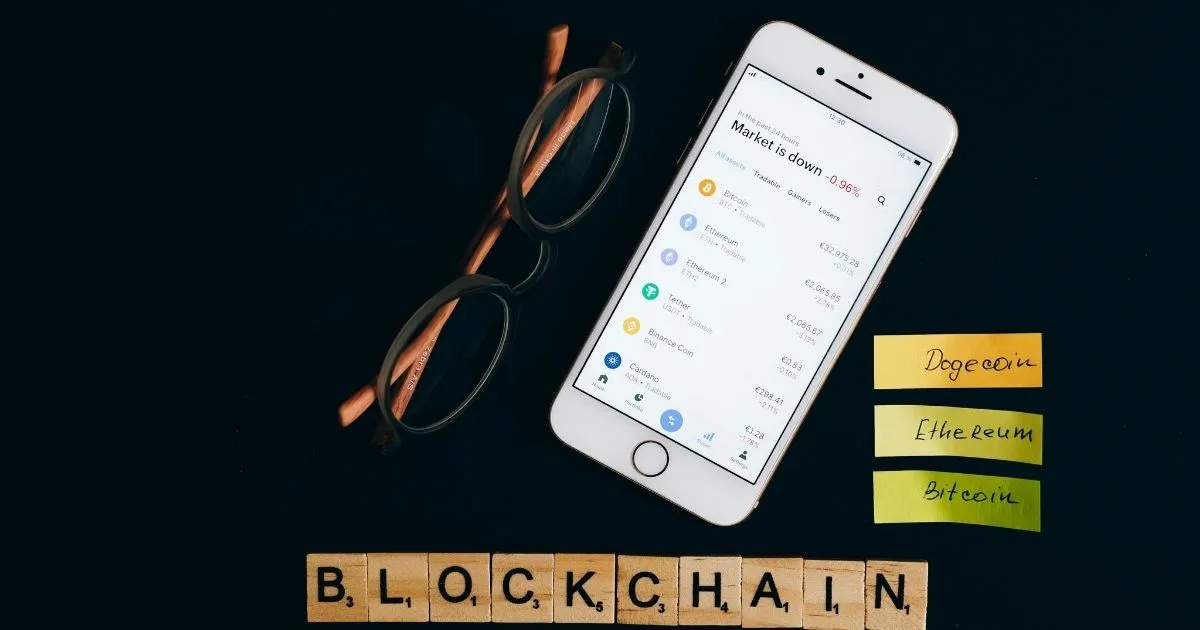
You can almost feel the texture of the paper fading from your fingertips if you pay close enough attention. It used to be that money was something you held. It had weight and smell and it took up space in a leather wallet that grew distressed over the years. Now money is just a notification on a screen or a number in a database that fluctuates while you sleep. We are standing on the precipice of the single largest shift in monetary history since the gold standard was abandoned and yet nobody seems to be looking at the ground beneath their feet. Everyone is looking up at the sky watching the volatile fireworks of bitcoin and wondering if they missed the boat or if the boat is sinking. But the real story is not the decentralized revolution that the early cypherpunks promised us. The real story is the centralized counterattack that is coming in the form of Central Bank Digital Currency.
It is strange how we convince ourselves that technology always moves in the direction of freedom. We saw the internet and thought it would democratize information forever. We saw crypto and thought it would separate state and money. But history has a way of swinging back like a pendulum that hits you in the face just when you think you are safe. The governments of the world have watched the rise of digital assets not with fear but with envy. They do not want to ban the technology. They want to co-opt it. They want to take the efficiency and the speed and the programmability of the blockchain and strip away the anonymity and the autonomy. This is the birth of the CBDC. It is money that can be tracked and traced and perhaps even programmed to expire or be spent only on certain goods.
The fading echo of wild cryptocurrency trading
I remember the early days of cryptocurrency trading when it felt like the Wild West. There were no rules and the exchanges looked like websites built by teenagers in their basements. You sent your money into the void and hoped it would come back multiplied. It was exhilarating because it was dangerous. It felt like you were betting against the system and winning. That era is closing now. The institutions have arrived with their suits and their compliance departments and their ETFs. They have sanitized the space. Bitcoin is no longer a rebellion. It is an asset class. It is something you hold in a portfolio alongside tech stocks and real estate.
But there is a lesson here for anyone paying attention to where value really lives. The value was never really in the token itself. The value was in the network. The value was in the digital real estate that these networks created. This is something that the average investor misses completely. They chase the price of the coin but they ignore the infrastructure that supports it. In the same way the smart money in the Gold Rush was not the man with the pan in the creek but the man selling the shovels and the land. In the digital age the land is the website and the traffic and the authority. When you look at how volatile the crypto markets are you begin to realize that owning a piece of the internet itself is perhaps the only true hedge left.
We spend so much time analyzing charts and looking for patterns in the noise. We try to predict what the Federal Reserve will do next or how the European Central Bank will adjust rates. But Central Bank Digital Currency changes the physics of this game entirely. If the money itself becomes programmable then the economy becomes a software update. Imagine a stimulus check that must be spent within thirty days or it disappears from your wallet. Imagine an interest rate that is not a suggestion for commercial banks but a direct command to your savings account. This is not science fiction. This is the logical conclusion of the current monetary policy. It makes the volatility of bitcoin look quaint by comparison.
Why your next wallet will hold Central Bank Digital Currency
The transition will not be dramatic at first. It will be convenient. That is how all great changes in liberty happen. They are sold to us as convenience. You will download an app that allows you to send money to anyone in the country instantly for free. It will be safer than cash and faster than a wire transfer. You will use it and you will like it. And slowly the physical cash will disappear from circulation. The ATMs will become rare and then they will vanish. And one day you will realize that you cannot buy anything without a digital signature that is recorded on a ledger owned by the state.
This is why diversification is no longer just a buzzword. It is a survival strategy. If the currency is being reinvented then your assets need to be things that have intrinsic value outside of that currency. Gold is the traditional answer but it is heavy and hard to transport. Digital assets are the modern answer. I am not talking about meme coins. I am talking about established digital entities. Websites that generate cash flow. businesses that exist in the cloud. These are the assets that can survive a monetary reset. They are the digital equivalent of productive farmland.
The rise of Central Bank Digital Currency also puts a spotlight on the true value of privacy. In a world where every transaction is visible the ability to transact privately becomes a luxury good. Crypto assets that prioritize privacy might see a resurgence not as speculative vehicles but as necessary tools for preserving dignity. It creates a bifurcated economy. One economy is the white market of CBDCs where everything is clean and tracked and taxed automatically. The other economy is the gray market of decentralized finance where value moves freely but with higher friction.
Most people are not ready for this. They still think of money as a neutral store of value. They do not understand that money is a social construct and that the contract is being rewritten. When you hold a dollar bill you are holding a claim on the US government. When you hold bitcoin you are holding a slot on a ledger that no one controls. When you hold a CBDC you are holding a liability of the central bank that can be modified at will. The distinction is subtle but the implications are massive.
It forces us to ask what it actually means to own something. If your bank account can be frozen or drained by an algorithm do you really own that money. Or are you just a user with permission to access it. This existential dread is what drives people back to cryptocurrency trading despite the crashes and the scams. It is a vote of no confidence in the manager. It is a desire to hold the keys to your own life.
The financial landscape of the next decade will be defined by this tension. The efficiency of the state versus the sovereignty of the individual. It will be messy and it will be confusing. There will be winners and losers. The losers will be the ones holding onto the old paradigms. The ones who think cash is king long after the king has been deposed. The winners will be the ones who understand that value is fluid and that the vessel matters less than the utility. They will own the digital infrastructure. They will own the networks. They will move between the centralized and decentralized worlds with ease.
We are watching the end of an era. The paper note had a good run. It allowed for anonymity and it worked when the power went out. But we are trading it for a system of total surveillance and total efficiency. The Central Bank Digital Currency is coming whether we like it or not. The only question is how you position yourself before the switch is flipped. You can cling to the past or you can build a raft that can float on the new digital ocean. The choice is yours but the time to make it is getting shorter by the day.