
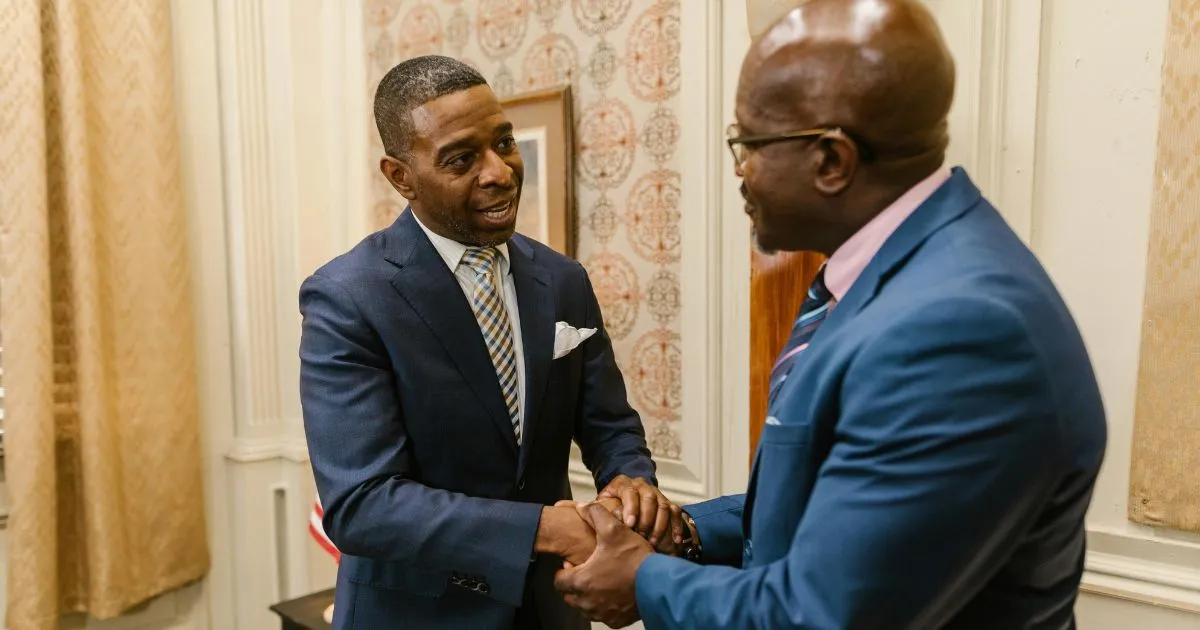
We used to joke about the C-suite getting crowded. First, it was just the trio of operations, finance, and the big boss. Then we added data, then privacy, then diversity, and for a while, it felt like we were just handing out titles to keep people from quitting. But something shifted over the last eighteen months. If you walk through the high-rises in Chicago or sit in on a board meeting in Austin, there is a new name on the door that people actually stop to listen to. The Chief Trust Officer is no longer a PR stunt or a glorified HR role. It has become the most expensive seat at the table because, frankly, we finally realized that losing money is easier to fix than losing the right to exist in the public eye.
I spent years watching companies treat corporate ethics like a mandatory video you watch once a year and click through while eating lunch. It was a compliance hurdle. You checked the box so the lawyers wouldn’t scream. But the math has changed. In 2026, the premium on a Chief Trust Officer comes from the fact that they are the only ones holding the glue. Everything else—your AI stacks, your global supply chains, your automated customer service—is remarkably fragile. When the machine breaks, and it always does, someone has to be there who knows how to speak to humans without sounding like a scripted liability release.
Navigating the new landscape of business leadership
The people taking these roles aren’t coming from the usual places. Sure, some are former JDs, but the best ones I’ve encountered are philosophers, former journalists, or even historians. They understand that business leadership is no longer about maximizing the next quarter in a vacuum. It is about managing the friction between what a company can do and what it should do. We’ve reached a point of technical capability where “can” is almost limitless. We can track every movement, predict every purchase, and automate almost every interaction. But just because you can doesn’t mean the market will forgive you for it.
The Chief Trust Officer sits in that uncomfortable gap. They are the ones who have to tell the CEO that a specific data-harvesting strategy, while legal, will eventually turn the brand into a pariah. It is a role defined by saying “no” to profitable ideas that carry a hidden, long-term rot. This requires a level of backbone that most executives simply haven’t had to develop. It is easy to be brave when the spreadsheets are green. It is much harder to be the person who tanked a projected five percent growth because the method of achieving it felt slimy.
I remember talking to an executive in New York last fall who told me their Chief Trust Officer was the only person allowed to interrupt a board vote. That is real power. It isn’t just advisory anymore. It’s a veto on the soul of the company. We are seeing a shift where the market is actually pricing in “trustworthiness” as a tangible asset. If you look at the companies that survived the recent scandals regarding algorithmic bias or deepfake marketing, they were the ones who had a centralized figure who could stand up and say, “We messed up, here is exactly why, and here is how we are changing the actual bones of the company.” People crave that honesty because they are so tired of being managed.
Why corporate ethics is the only moat left
In an era where technology is a commodity, you can’t really compete on features for long. Someone will copy your software by Tuesday. Someone will undercut your price by Wednesday. The only thing that stays sticky is the belief that a company won’t betray its customers the moment things get difficult. This is why corporate ethics has moved from the back office to the front line. It is the final competitive advantage. If a customer trusts you, they stay through a price hike. If they don’t, they leave the second a cheaper version appears.
The Chief Trust Officer is essentially a risk manager for the intangible. They look at the culture and ask where the cracks are. Are we incentivizing people to lie? Are we creating a pressure cooker where cutting corners is the only way to meet a quota? These aren’t just HR questions. They are existential threats to the valuation of the firm. I’ve seen more than one “unicorn” dissolve not because they lacked a product, but because their internal culture was so devoid of basic decency that it eventually bled out into the public square. You can’t hide who you are anymore. The internet is too loud and employees are too mobile.
We are also seeing a massive generational handoff. The younger workforce doesn’t just want a paycheck; they want to know that the person at the top isn’t a cartoon villain. They want to know there is a Chief Trust Officer who actually has the power to protect the company’s integrity. If that person doesn’t exist, the best talent goes elsewhere. It’s a talent war where the primary weapon is a moral compass. It sounds soft, I know. It sounds like something you’d hear at a retreat in the woods. But when you look at the salary packages being offered for these roles in places like San Francisco or Seattle, the numbers are anything but soft. We are talking about compensation that rivals the CFO.
There is a certain irony in the fact that we had to invent a new executive title to remind us to act like decent humans. But that is where we are. The complexity of global trade and the speed of digital communication have made it too easy to lose the plot. We got so good at the “how” that we completely forgot about the “why.” Now, we are paying a premium for people who can find the “why” again. It’s a strange time to be in business, watching the most technical era in history suddenly become obsessed with the most ancient human values.
I don’t think this is a trend that will fade. If anything, the role of the Chief Trust Officer will likely split into even more specialized niches. We might see officers dedicated entirely to algorithmic transparency or synthetic media integrity. The more we rely on systems we don’t fully understand, the more we need people whose only job is to ensure those systems don’t turn on us—or on our customers. It’s a heavy burden to carry. It’s lonely, too. You’re often the most unpopular person in the room because you’re the one pointing out the iceberg while everyone else is busy looking at the sunset.
But maybe that’s the point. We’ve had enough cheerleaders in the C-suite. We’ve had enough people whose only job was to make the numbers go up. We are finally seeing the value in the person who cares about the ground we are standing on. Whether this actually changes the nature of capitalism or just adds another layer of sophisticated damage control remains to be seen. I’d like to think it’s the former, but I’ve been around long enough to know that even the best intentions can be turned into a slide deck. Still, seeing “Ethics” at the top of the payroll is a start. It’s a signal that perhaps, just perhaps, we’ve realized that a company without trust isn’t a company at all. It’s just a temporary arrangement of people waiting for the inevitable collapse.
The question for the next few years isn’t who has the best tech. It’s who has the person who can tell the truth when it hurts the most.
FAQ
They bridge the gap between legal, technical, and marketing teams to ensure every product and policy aligns with the company’s stated values. They audit internal processes for ethical slips and act as a public-facing guarantor of integrity during crises.
Compliance is about following the law; Trust is about doing what is right regardless of what the law requires. A Chief Trust Officer looks at the “spirit” of the brand’s relationship with the public rather than just staying within legal boundaries.
The cost of a trust breach—via data leaks, AI bias, or social scandals—now often exceeds billions in market cap. Companies pay a premium for leaders who can prevent these “reputational heart attacks” before they happen.
While they may not hire a dedicated C-level executive, the principles remain the same. Smaller firms that prioritize transparency and ethical decision-making often see higher customer retention and easier recruiting compared to those that don’t.
As long as AI and data play a central role in our lives, the need for a human “ethical compass” in business will only grow. It is likely to become as permanent as the role of the Chief Technology Officer.
