


There is a specific kind of silence that settles over a home office after you hit publish on a new novel. It used to feel like an accomplishment, a moment of hard-earned peace where the words were finally out of your head and into the world. But lately, that silence has started to feel a bit too much like an empty room. You look at the dashboard, you check the sales charts, and you realize that the old ways of moving books are becoming ghosts of themselves. The digital shelf is infinite, which is another way of saying it is a graveyard. I spent the last decade believing that if the prose was sharp enough, the audience would find me. I was wrong. The gatekeepers didn’t disappear; they just changed shape, and now they demand to see my face.
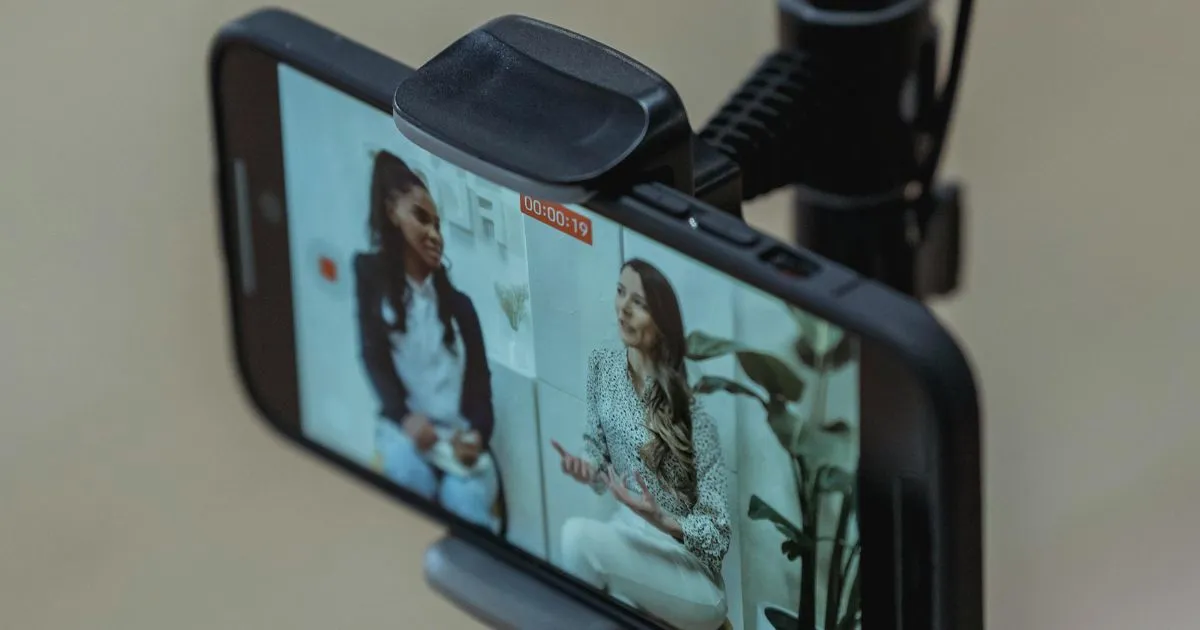
Everything feels louder now. I was walking through a park in Chicago last week, watching people on their phones, and it hit me how much the texture of discovery has shifted. We aren’t browsing anymore. We are being summoned. The era of the static link is dying a slow, unceremonious death. For those of us in the self-publishing world, the shift toward Live-Stream Sales isn’t just a new marketing tactic to put in a spreadsheet. It is a fundamental change in how we prove we exist. It is messy, it is occasionally embarrassing, and it is the most honest I’ve seen the industry look in years.
Beyond the scroll and the search for BookTok alternatives
For a long time, we all leaned on the same few corners of the internet to find our readers. We mastered the short-form video, the aesthetic shots of coffee mugs next to paperbacks, and the frantic hunt for the next trending sound. But the fatigue is real. The algorithm feels like a moody landlord who keeps raising the rent while the roof leaks. Many of us are looking for BookTok alternatives because the magic there started to feel like a formula. When everyone follows the same script, the script loses its soul. I’ve noticed a growing hunger for something that isn’t edited to within an inch of its life. People want the stutter, the bad lighting, and the genuine excitement of a creator holding a physical object they poured their life into.
I remember the first time I tuned into a live broadcast where an author was simply packing orders. There was no pitch. There was no “buy my book” desperation. It was just the sound of packing tape and a person talking about why a specific chapter was hard to write. It felt like sitting in a kitchen with a friend. This is the shift we are seeing. We are moving away from the polished image and toward the raw process. If you are sitting on a pile of inventory in your spare room, the screen is no longer a barrier; it is a storefront window that you can actually step through.
The transition isn’t easy for everyone. Writing is a solitary act by nature, a quiet conversation between the brain and the fingers. Stepping into the light of a live camera feels like a betrayal of that privacy. Yet, there is a strange power in it. When you talk about your characters in real-time, answering questions from someone three states away who actually cares about the magic system you built, the wall falls down. It turns the transactional nature of selling a book into a shared event. It makes the reader feel like they aren’t just buying a product, but supporting a person.
The chaotic reality of social commerce 2026
We are living in the middle of a massive experiment. The landscape of social commerce 2026 is less about the platform and more about the presence. I’ve seen authors sell more books in a two-hour live session than they did in a month of running paid ads. It defies the logic we were taught about “funnels” and “conversion rates.” It works because it taps into a primal need for connection that a static webpage simply cannot replicate. You can see the weight of the paper, you can hear the crack of the spine, and you can see the person who stayed up until 3:00 AM to finish that final edit.
I think we overcomplicate the technology. We worry about the right microphones or the perfect backdrop, but the viewers usually don’t care. They want to see the stack of books. They want to see the ink on your hands. There is a specific kind of energy in a live-stream sale that feels like a flea market in the best possible way. It’s a bit chaotic. Things go wrong. The dog barks, the doorbell rings, or you lose your train of thought. In a world of AI-generated perfection, these human glitches are becoming our greatest assets. They are the proof of life.
The economics of it are shifting too. We are seeing a move away from the massive marketplaces and back toward the individual. When you sell a book directly during a stream, you aren’t just a line item in a giant database. You are the shopkeeper. You get to see the names of the people buying your work as they pop up on the screen. You can thank them. You can sign their copy right then and there. It turns the act of commerce into an act of community. It’s a return to something older, something more tactile, despite the high-tech medium we are using to get there.
I often wonder where this leaves the introverts, the ones who started writing specifically so they wouldn’t have to talk to people. There is a risk of leaving behind the quiet voices, the ones who can’t or won’t perform. But perhaps the definition of performance is changing. Maybe it isn’t about being a “personality” in the traditional sense. Maybe it’s just about being visible. I’ve watched streams where the author barely spoke, opting instead to let the work speak for itself while they drew sketches or colored in maps from their fantasy world. It was captivating. It wasn’t a sales pitch; it was an invitation to watch.
There is no map for this. We are all just fumbling in the dark, trying to figure out how to keep our stories alive in a world that has a three-second attention span. Some days it feels like we are losing the battle, and other days, when the comments are flying and the “sold” notifications are chiming, it feels like we’ve finally found a way to win. The tools are there, the audience is waiting, and the only thing standing in the way is our own hesitation to be seen.
I don’t know if this is a permanent fix or just another passing phase in the ever-evolving headache of self-publishing. Everything in this industry feels like it’s written in sand. But for now, there is a warmth in the glow of the screen that wasn’t there before. There is a sense that we are finally closing the gap between the writer’s desk and the reader’s bedside table. Whether that leads to a sustainable career or just a few more boxes moved out of the garage remains to be seen. But it’s a start. It’s a way to break the silence.
FAQ
You really only need a smartphone with a decent camera and a stable internet connection. While some people invest in ring lights or external microphones later on, the most important thing is that your readers can see your face and hear your voice clearly. Natural light from a window is often better than any cheap LED lamp you can buy.
Actually, no. Some of the most successful streams are small and intimate. Having twenty dedicated fans who are likely to buy is much better than having a thousand strangers who are just lurking. The goal is depth of connection, not just breadth of reach.
Most people use integrated tools provided by the social platforms or link to their own personal website in the bio. Some platforms have “shop” features that allow you to tag products directly in the video so viewers can click and buy without ever leaving the stream.
You don’t necessarily have to be the center of attention. You can focus the camera on your hands while you sign books, or show off the artwork and interior formatting of your novels. As long as you are interacting with the comments, you are still building that essential human connection.
There is no hard rule, but many find that forty-five minutes to an hour is the sweet spot. It gives people enough time to find the stream and settle in, but it isn’t so long that you run out of things to talk about or become exhausted.

