
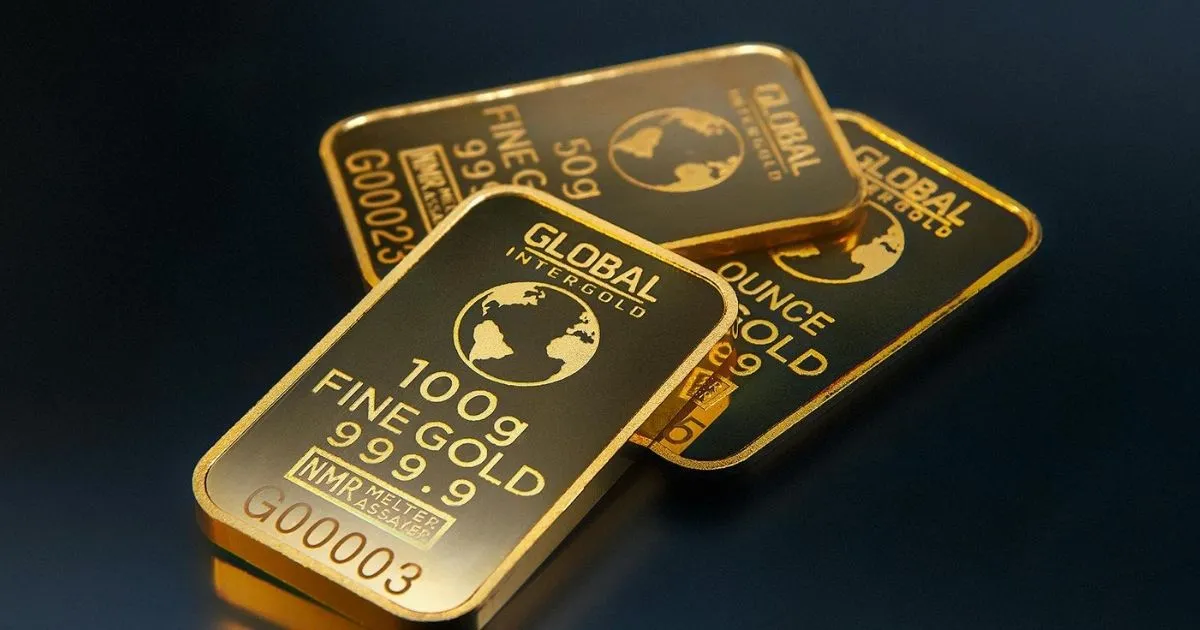
I remember sitting in a dimly lit office back in late 2024, listening to a colleague argue that the yellow metal was a relic, a pet rock for the paranoid. At the time, we were looking at prices that felt substantial but manageable. Fast forward to this morning, and the ticker hit $5,600. It is a number that feels heavy, not just because of its weight in a vault, but because of what it says about the world we are currently navigating. This isn’t just a spike or a momentary lapse in market sanity. It feels like a fundamental shift in the tectonic plates of the global economy, and for anyone planning to stop working in the next decade, it has completely changed the math.
The atmosphere in the city is different today. There is a quiet realization among the silver-haired demographic that the traditional 60/40 portfolio, once the bedrock of a dignified exit, is looking increasingly fragile. When gold jumps nearly 30% in the first month of 2026 alone, following a 60% surge the year prior, it isn’t just about making a quick profit. It is about a desperate, collective search for a floor. I spent the morning talking to peers who are suddenly tearing up their projections. They aren’t worried about whether they have enough cash, they are worried about what that cash will actually buy when they are eighty.
The Fragmented Dollar and the New Reserve Reality
The primary driver behind this $5,600 milestone isn’t a single event, but a slow-motion erosion of trust. We’ve watched the U.S. dollar face a 7% decline in the last year, a slide that seems tethered to a growing skepticism regarding fiscal stewardship. It is hard to ignore a $37 trillion debt load when the interest payments alone start to look like the GDP of a mid-sized nation. Central banks in places like Brazil, Turkey, and Poland aren’t just buying gold as a hedge anymore, they are treating it as a primary reserve asset. They are voting with their feet, moving away from the greenback in a way that feels permanent.
This shift has created a massive supply-demand imbalance that the market wasn’t prepared for. When institutional giants and sovereign wealth funds decide that gold is a neutral store of value rather than a speculative play, the ceiling disappears. I’ve noticed that even the most conservative pension funds are starting to whisper about double-digit allocations to physical bullion. It is a strategic sobriety. They see the trade wars, the tariffs on everything from lumber to semiconductors, and the persistent geopolitical friction between the U.S. and Iran, and they realize that “safe” assets like Treasuries don’t feel quite so safe when real interest rates are hovering in negative territory.
The irony is that this rally didn’t happen because of runaway inflation. In fact, commodity prices like crude oil have stayed relatively quiet. Gold is breaking the traditional indicators because it is pricing in fragility. It is a barometer for a world that has become more fragmented and less predictable. For a retiree, this is the nightmare scenario: a world where the currency you saved in is losing its global dominance just as you need it most.
Asset Allocation in an Age of Monetary Transition
Watching the gold-silver ratio compress has been another fascinating, albeit stressful, development. With silver pushing toward $120, it is clear that the hunt for value is overflowing. I’ve spoken with several asset managers who are now recommending that clients treat gold not as a commodity, but as a debt alternative. If the bond market is unruffled but the currency is fraying, where else do you go? The consensus is shifting toward a 20% combined allocation to gold and silver for those nearing retirement. It sounds radical compared to the 5% “insurance” policy of the past, but in a market where the dollar is under siege, radical is the new rational.
This isn’t to say it will be a straight line to $6,000. The market is undeniably overbought, and the RSI levels I’m seeing suggest a correction of 10% or 15% could be around the corner. But here is the thing: in this environment, those pullbacks are being viewed as “healthy resets” rather than the end of the bull run. People are waiting for the dips to buy back in because they no longer trust the alternatives. We are seeing a “flight to safety” that is less about a temporary panic and more about a permanent relocation of capital.
For many of my clients, the surge to $5,600 has forced a difficult conversation about lifestyle. If you were planning to retire on a fixed income derived from traditional bonds, the purchasing power of that income is being decimated by the very forces driving gold higher. The yellow metal is protecting those who held it, but it is also punishing those who didn’t. It is becoming a divider between those who can afford their 2026 plans and those who have to push them to 2030.
I find myself looking at the screens and wondering if we will ever see $2,000 gold again. Probably not. Not in this lifetime, anyway. The world has changed too much. We’ve entered an era where political neutrality is the most valuable feature an asset can have. Gold doesn’t have a central bank, it doesn’t have a deficit, and it doesn’t care about trade sanctions. It just exists. And in 2026, that is exactly what people are willing to pay a premium for.
It leaves one with a lingering question as the trading day closes. If the bedrock of the global financial system is shifting this quickly, what else are we taking for granted? We spent decades assuming the dollar was the ultimate safety net, only to find out the net has a few holes. Perhaps the real lesson of $5,600 gold isn’t about the price of a metal, but about the price of certainty in an uncertain age. We are all just trying to find something solid to hold onto while the floor moves beneath us.
