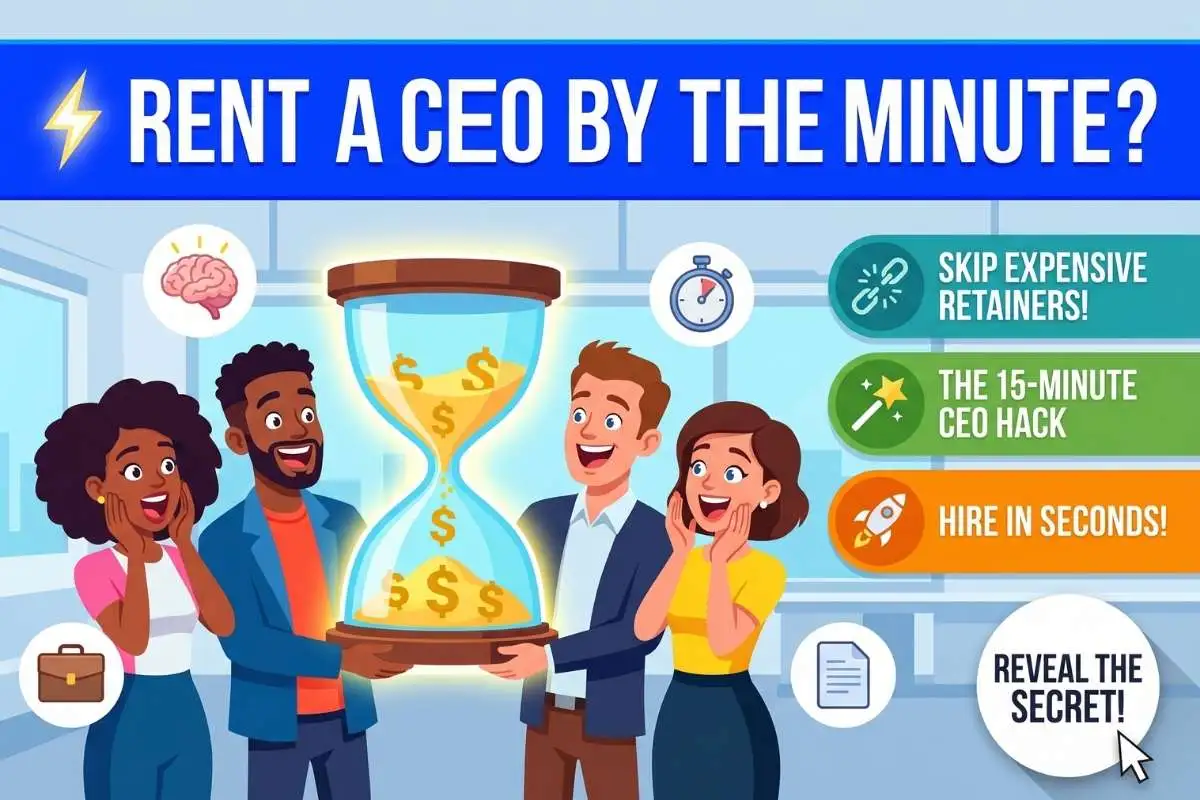
The year is 2026, and the traditional 9-to-5 corporate job is undergoing its most radical transformation yet. While the gig economy has been a household concept for over a decade, the landscape has evolved far beyond ride-sharing apps and freelance graphic design. Welcome to the era of the “rent-a-skill” platform—a high-stakes, hyper-efficient marketplace where elite intellectual capital is traded by the minute. Companies are no longer tethered to the slow, expensive process of hiring full-time executives or putting massive consulting firms on retainer. Instead, they are logging onto specialized talent networks to rent a brain for exactly as long as they need it. Whether it is a fifteen-minute video call to solve a critical coding bottleneck or a half-hour strategic review with a seasoned executive, businesses are leveraging fractional talent to stay agile. This article explores why the minute-by-minute micro-consulting model is taking the corporate world by storm, how artificial intelligence drives it, and what this means for the future of professional work.
The Evolution from Gig Economy to Elite Micro-Consulting
The gig economy is no longer just about ordering a meal or catching a quick ride. While early digital labor platforms focused heavily on location-based services characterized by standardized tasks and continuous algorithmic monitoring (Niu, n.d.), the landscape of 2026 has experienced a lucrative shift. We have entered the era of specialized, knowledge-intensive micro-consulting. High-level strategic decisions, intricate coding architecture reviews, and complex financial audits are increasingly tackled by fractional C-suite executives and top-tier professionals who bill their expertise by the minute. Instead of signing an expensive contract with a consulting behemoth, modern companies use hyper-specialized digital platforms to pinpoint the exact expert they need for a quick, high-impact interaction. This evolution has birthed the “portfolio career,” where seasoned professionals distribute their specialized insights across multiple companies simultaneously, fundamentally reshaping how intellectual capital is bought and sold in the global gig economy.
How AI is Powering the “Rent-a-Skill” Revolution
The invisible engine driving this “rent-a-skill” revolution is advanced artificial intelligence, which has effectively eliminated the friction of traditional talent acquisition. Historically, finding a niche expert could take weeks of networking and contract negotiations. Today, AI-driven platforms act as instantaneous matchmakers, instantly aligning a company’s specific business problem with the precise human mind capable of solving it. Moreover, these platforms integrate with agentic AI systems that handle operational tasks like scheduling, data aggregation, and real-time analytics. Because the AI autonomously manages the administrative overhead, fractional executives can seamlessly switch their context between different companies and focus purely on strategic interpretation. This algorithmic coordination has successfully democratized access to top-tier talent. A mid-sized tech startup can now easily afford to “rent” an elite data scientist or an experienced marketing chief for just twenty minutes to validate a strategy.
The Economic Advantages for Startups and SMEs
From a macroeconomic perspective, this rent-a-skill shift is a game-changer for business growth and organizational agility. Startups and small businesses often operate with limited capital, making it financially prohibitive to hire a full-time, seasoned executive for every critical function. The fractional employment model allows these companies to access a much deeper knowledge base and specialized talent pool at a mere fraction of the usual cost of employment (So & Teckchandani, 2022). By circumventing bloated salaries and lengthy onboarding processes, organizations can redirect vital financial resources into core product development and customer acquisition. Furthermore, this dynamic workforce model transforms traditionally rigid corporate structures into fluid, adaptable networks. Companies can dynamically assemble and disassemble their leadership resources precisely as market conditions shift, ensuring they maintain strategic foresight without being weighed down by heavy payroll obligations.
Redefining Work-Life Boundaries and the “Portfolio Career”
For the elite professionals participating in these platforms, the shift toward rent-a-skill engagements has profoundly redefined the traditional career trajectory and the concept of work-life boundaries. The conventional corporate ladder—fraught with office politics and rigid schedules—is rapidly being replaced by the highly autonomous “portfolio career.” Top-tier workers now build a diverse roster of global clients and bill strictly for the measurable value and insights they deliver, rather than the hours they sit at a desk. This level of autonomy is incredibly appealing, though it requires a masterful degree of self-management and strict boundary-setting. As the demand for highly specialized micro-consulting surges, the very definition of a “full-time job” is being scrutinized. Workers possessing in-demand skills are discovering that selling their expertise by the minute is far more lucrative and intellectually stimulating than drawing a conventional salary.
Navigating the Friction Points: Trust, Contracts, and Integration
Despite the glowing financial advantages, the minute-by-minute micro-consulting model is not without its unique friction points and managerial challenges. The transient, hyper-accelerated nature of these engagements necessitates meticulously drafted contracts, robust data security protocols, and crystal-clear delineations of intellectual property ownership. When an elite expert parachutes into a company’s ecosystem for a twenty-minute troubleshooting session, they must quickly grasp the organization’s unique context without breaching confidentiality agreements from previous engagements. Additionally, startups face distinct human resources hurdles when attempting to integrate these part-time experts with their existing full-time staff. Establishing clear contractual terms and structured legal frameworks is absolutely vital to reduce role ambiguity and prevent internal conflicts. To truly maximize the value of fractional talent, companies must revolutionize their onboarding processes to align temporary brain trusts with overarching goals rapidly.
Comparing Labor Models in 2026
To understand how transformative the rent-a-skill model is, it helps to compare it directly with the employment frameworks that preceded it. The data table below highlights the stark differences in engagement length, expertise level, cost structure, and technological enablers across three distinct labor models. By breaking down these attributes, it becomes evident why startups and established enterprises are migrating toward micro-consulting.
| Feature | Traditional Consulting | Freelance Gig Work | Elite Rent-a-Skill Platforms |
| Engagement Length | Months to years | Days to weeks | Minutes to hours |
| Expertise Level | Generalist teams led by partners | Variable, often execution-focused | Specialized C-suite & subject matter experts |
| Cost Structure | High fixed retainers | Project-based or hourly rates | Pay-per-minute dynamic pricing |
| Tech Enabler | Corporate networks | Task-matching algorithms | Agentic AI & real-time analytics |
| Primary Value | Large-scale transformations | Outsourcing routine tasks | Immediate, high-impact strategic problem solving |
Frequently Asked Questions (FAQ)
What exactly is a rent-a-skill platform?
A rent-a-skill platform is a specialized digital marketplace connecting businesses with elite professionals for incredibly brief, targeted engagements. Unlike traditional job boards that focus on long-term projects, these platforms allow companies to hire experts by the minute to solve specific, complex problems instantly.
How do fractional executives differ from traditional consultants?
Traditional consultants typically work for large advisory firms on long-term retainers to execute massive organizational overhauls. Fractional executives act as direct, part-time members of a company’s leadership team, providing high-level strategic guidance across multiple companies and billing only for the exact fraction of time utilized.
Are these micro-consulting platforms secure for confidential business data?
Yes, security is a foundational element. Because professionals parachute into different corporate ecosystems, rent-a-skill platforms utilize advanced cryptographic protocols and secure, ephemeral communication channels. This ensures that proprietary data and intellectual property remain protected during and after a session.
Who benefits the most from hiring elite talent by the minute?
While large enterprises use these platforms to bypass hiring freezes, startups and small-to-medium-sized businesses are the biggest winners. These organizations often lack the capital to hire full-time executives, so renting skills by the minute grants them access to world-class strategic insights.
The Final Curiosity: The Rise of the 15-Minute CEO
As we look toward the horizon of the 2026 labor market, the most fascinating byproduct of the rent-a-skill revolution is the conceptual reality of the “15-Minute CEO.” Imagine a visionary leader who never sits in a corner office and never deals with corporate bureaucracy. Instead, this executive logs into a secure dashboard, reviews AI-generated predictive models for five different startups, and delivers a series of rapid-fire, high-impact strategic directives over consecutive fifteen-minute video calls.
This model strips away the performative aspects of corporate leadership, distilling executive work down to its purest essence: high-stakes decision-making. As businesses continue to prioritize agility over tradition, the idea of renting elite talent by the minute will cement itself as the definitive standard for corporate problem-solving. We are witnessing the ultimate unbundling of the human career—a future where expertise is liquid, talent is instantly accessible, and the clock is always ticking.