


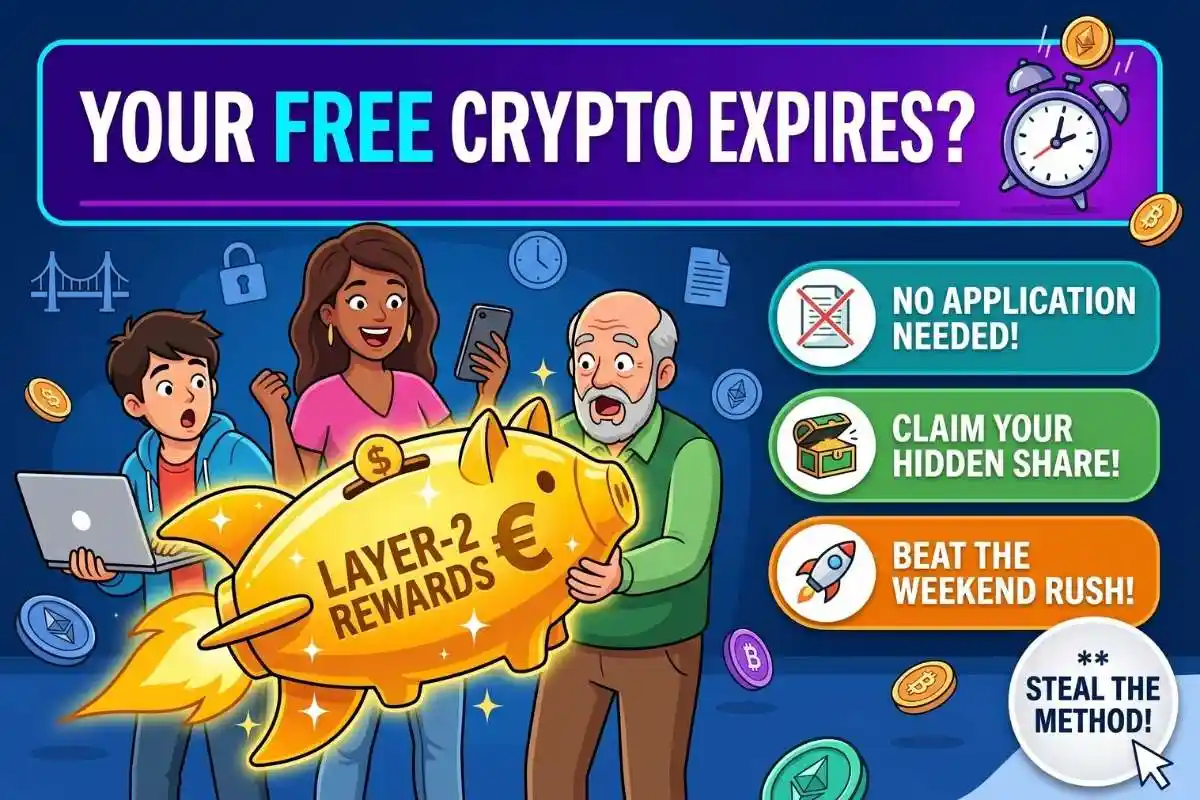
Cryptocurrency enthusiasts and decentralized finance participants, pay close attention: the weekend is fast approaching, and with it, the closing window for some of the most anticipated Layer-2 token airdrops. In the fast-paced world of digital assets, an airdrop represents a unique opportunity to receive free cryptocurrency tokens directly into your digital wallet. This usually serves as a reward for your early participation, network testing, or continued loyalty to a specific blockchain ecosystem. As Friday rolls in, the urgency to claim these digital rewards reaches its peak, because many development teams implement strict deadlines to ensure token distribution happens efficiently and fairly. If you have been actively swapping, bridging, or staking assets, you might have a hidden treasure waiting to be claimed. This comprehensive guide will walk you through everything you need to know about Layer-2 networks, the mechanics of airdrops, and how to safely secure your tokens before the Friday deadline officially passes.
Understanding the Power and Purpose of Layer-2 Blockchains
To fully appreciate the value of these Friday airdrop claims, it is essential to understand what Layer-2 blockchains are and why they are revolutionizing the cryptocurrency landscape. Fundamentally, a Layer-2 network is a secondary framework or protocol built on top of an existing blockchain system, most commonly Ethereum. The primary goal of these secondary layers is to solve the scaling difficulties and high transaction fees that often plague the main network, known as Layer-1. By processing thousands of transactions off the main chain and then bundling them together to be verified on the base layer, networks like Arbitrum, Optimism, and Polygon significantly reduce costs and increase transaction speed. This technological innovation has sparked a massive migration of decentralized applications and everyday users looking for a more efficient trading experience. To decentralize their governance and reward early adopters, developers frequently distribute native governance tokens through airdrops. These tokens carry monetary value and grant holders voting rights on the future direction of the network.
The Mechanics of the Claiming Process and Meeting the Deadline
When a Layer-2 network announces an airdrop, they typically capture a “snapshot” of the blockchain at a specific date and time in the past. If your digital wallet interacted with the network before this snapshot—perhaps by bridging funds or providing liquidity to a decentralized exchange—you become eligible to claim a predetermined number of tokens. The Friday claiming window is a critical period because network congestion tends to spike as thousands of users rush to interact with the claim smart contract simultaneously. To secure your tokens, you must visit the official airdrop portal provided by the project team, connect your compatible Web3 wallet, and initiate the claim transaction. Because you are interacting with a smart contract on the network, you will need a small amount of the native gas token to pay for the transaction fee. It is highly recommended to process your claim early on Friday to avoid the weekend rush, where gas prices might inflate or the claiming window might permanently close.
Navigating the Security Minefield and Avoiding Airdrop Scams
While the prospect of free cryptocurrency is undeniably exciting, it also attracts a sophisticated array of cybercriminals eager to exploit unsuspecting users during the chaotic claiming window. The most common attack vector is the phishing scam, where malicious actors create exact replicas of the official airdrop websites and promote them aggressively on social media platforms. If a user connects their wallet to one of these fraudulent sites and signs a malicious transaction, the attackers can instantly drain the entire contents of the wallet. To protect yourself, you must exercise extreme caution. Never click on unverified links sent through direct messages, and cross-reference the claiming URL with multiple official sources. Furthermore, the U.S. Securities and Exchange Commission (SEC) has actively warned investors about the risks associated with digital asset scams and unregistered securities. Always use a hardware wallet or a dedicated burner wallet for interacting with new smart contracts to ensure your long-term holdings remain entirely isolated from these risks.
Strategies for Qualifying for Future Layer-2 Airdrops
If you missed out on the current Friday claiming window, there is no need to despair; the rapidly expanding ecosystem of Layer-2 solutions means that new airdrop opportunities are constantly on the horizon. Qualifying for future drops requires a proactive and strategic approach to interacting with emerging blockchain networks before they officially launch their native tokens. The most effective strategy involves active and organic engagement with the ecosystem. This includes bridging your assets from the Ethereum mainnet to various promising Layer-2 testnets, participating in decentralized exchanges, and depositing assets into lending protocols. Developers are increasingly implementing sophisticated algorithms to filter out users who create dozens of wallets to game the system, so genuine, consistent activity over several weeks or months is far more likely to be rewarded. By staying informed through reliable communities and genuinely using decentralized applications, you position yourself perfectly for the next major token distribution event.
The Market Impact and What to Do with Your Claimed Tokens
Once you have successfully navigated the claiming process and the tokens are safely resting in your digital wallet, the next logical question is what to do with them. The immediate hours following a Friday airdrop are typically characterized by immense price volatility. Many users opt to instantly sell their newly acquired tokens on decentralized exchanges to lock in immediate profits, which can cause the market price to drop sharply in the short term. Conversely, other recipients choose to hold onto their tokens, anticipating long-term value appreciation as the Layer-2 network captures market share. Additionally, many networks offer lucrative staking mechanisms, allowing users to lock up their airdropped tokens in exchange for an ongoing yield or enhanced voting power. Ultimately, the decision to sell, hold, or stake depends entirely on your personal financial goals and your conviction in the underlying technology. Regardless of your choice, the ability to claim these tokens represents a profound shift in how value is distributed in the digital age.
Comparing the Giants: A Look at Layer-2 Networks
Understanding the different platforms can help you anticipate where the next big airdrop might occur. Here is a brief look at some of the major players in the space:
| Layer-2 Network | Base Technology | Token Ticker | Primary Use Case |
| Arbitrum | Optimistic Rollup | ARB | Ecosystem Governance |
| Optimism | Optimistic Rollup | OP | Funding Public Goods |
| Polygon | ZK-Rollup / Sidechain | POL | Scalability and DeFi |
| Base | Optimistic Rollup | N/A (Currently) | Consumer Web3 Apps |
| zkSync | Zero-Knowledge Rollup | ZK | High-speed transactions |
Frequently Asked Questions
What happens if I miss the Friday claiming deadline for my airdrop?
If you fail to claim your tokens before the specified deadline, the unclaimed assets are usually redirected. Most development teams program the smart contract to automatically return any unclaimed tokens to the community treasury, where they are used to fund future grants and network improvements. In rare cases, they are burned to reduce the total token supply forever.
Do I need to pay anything to receive my free airdropped tokens?
While the tokens themselves are entirely free, you will need to pay a network transaction fee, commonly known as a “gas fee,” to execute the claiming smart contract. On Layer-2 networks, this fee is typically very small—often just a few cents—but you must have a small balance of the network’s base currency in your wallet to process the transaction.
Can I claim airdrops directly to a centralized cryptocurrency exchange?
No, airdrops are distributed exclusively to self-custodial Web3 wallets (like MetaMask or Trust Wallet) that interacted with the network prior to the snapshot date. Centralized exchanges manage your private keys on your behalf, meaning you must use your own decentralized wallet to securely connect to the official claiming portal.
How do I know if an airdrop link is safe to click?
Safety is absolutely paramount in the cryptocurrency space. Never trust links sent via unsolicited direct messages or found in random social media comment sections. Always verify the link by checking the official, verified channels of the specific Layer-2 project and cross-referencing it with reputable news outlets to avoid falling victim to phishing scams.
Final Curiosity: The Airdrop that Changed the Industry
Did you know that the concept of the crypto airdrop was revolutionized long before the current era of Layer-2 dominance? One of the most famous early airdrops occurred in the fall of 2020 when the decentralized exchange Uniswap distributed 400 UNI tokens to every single user who had ever interacted with their protocol. At the time, those free tokens were worth over $1,200, and during the peak of the subsequent bull market, that same allocation was valued at nearly $18,000. This historic event fundamentally changed how blockchain projects approach user acquisition and community building, shifting the focus from traditional coin offerings to retroactive airdrops that directly reward loyal users.
As the weekend window closes on today’s Layer-2 Friday airdrop claims, remember that the decentralized landscape is continually evolving. Whether you are successfully securing your tokens today or preparing your wallet for the next big network launch, the key to success is staying active, remaining vigilant against security threats, and continuously learning about the underlying technology. Secure your assets, enjoy your digital rewards, and have a prosperous weekend in the world of Web3!

