
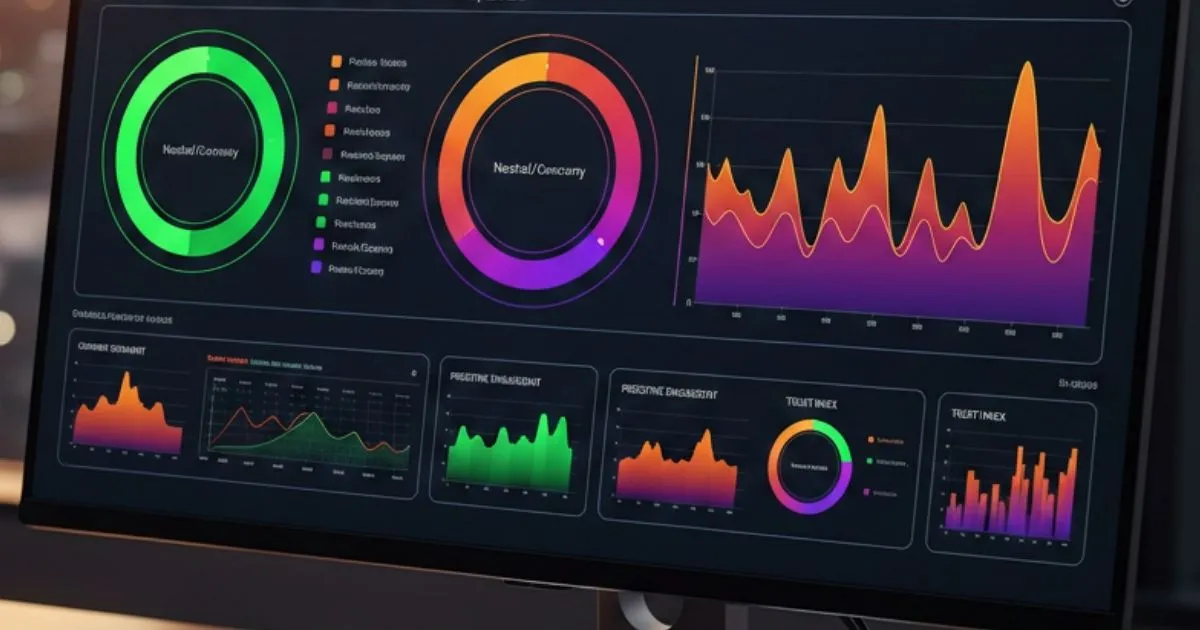
The trading floor used to be a place of shouted numbers and the smell of stale coffee, a chaotic symphony of human greed and panic. By the time we reached the mid-2020s, that noise had mostly migrated into silent server rooms. But here in 2026, something has changed again. It isn’t just about the speed of the trade anymore, it is about the “feel” of the market. I spent the morning watching a dashboard that didn’t just track price action, it tracked heartbreak, hesitation, and the sudden, sharp spike of collective confidence. This is the era of Emotional AI for Sales, and if you are still looking at spreadsheets to understand why your deals are stalling, you are essentially trying to read a room while wearing a blindfold.
The shift happened quietly. We spent years obsessing over big data, building these massive, cold structures of logic that could predict when a consumer might need a new mortgage or a better credit card based on their spending history. It worked, to an extent. But it lacked the texture of reality. Now, brands are realizing that a purchase is rarely a purely logical conclusion. It is an emotional relief. In the finance sector, where the stakes are high and the anxiety is palpable, the companies winning the most ground are the ones using sentiment tech to listen to the subtext. They are looking at the micro-expressions on a video call, the tone of a voice in a customer service recording, and the subtle “cognitive fatigue” revealed by how someone scrolls through a loan application.
Predictive marketing and the pulse of the digital consumer
I recently spoke with a fund manager who admitted that his best-performing assets weren’t the ones with the most robust historical data, but the ones that aligned with the current “arousal” levels of the public. He wasn’t talking about anything scandalous, he was using the technical term for engagement intensity. Predictive marketing has evolved into something far more sophisticated than just guessing the next purchase. It is now about forecasting the emotional rhythm of the audience. When the AI detects a 20% rise in nostalgic joy across a specific demographic, the smart brands don’t just send out a coupon. They adjust the entire aesthetic of their digital storefront. They change the lighting in their video ads, they slow down the pacing of their messaging, and they adopt a tone that feels like a warm memory rather than a cold transaction.
This isn’t just about being “nice” to people. It is about efficiency. We are living in a time of incredible volatility, and consumer confidence is a fragile thing. In January 2026, we saw confidence indices hit lows we haven’t seen in over a decade. People are cautious, they are intentional, and they are tired. If your sales process feels like a high-pressure interrogation, they will walk away. But if your system can detect frustration or hesitation in real-time and automatically switch to a more empathetic, supportive tone, the conversion rates tell a very different story. The technology is becoming a silent partner that bridges the gap between a brand’s objective and a human’s need for security.
I see this most clearly in the way high-ticket services are being handled. When a potential client is looking at an acquisition or a major investment, the “why” behind their search is usually rooted in a desire for control or a fear of being left behind. Sentiment tech allows a sales team to see these invisible drivers. It provides an Emotional Performance Score for every interaction. If a prospect’s “valence” — the measure of how positive or negative they are feeling — starts to dip during a presentation, the system flags it. It doesn’t tell the salesperson what to say, but it gives them the situational awareness to pivot. It is the digital equivalent of seeing someone cross their arms and lean back in their chair. Except now, we can see it before they even realize they’ve done it.
Leveraging consumer sentiment to build lasting financial trust
The real magic happens when you stop viewing sentiment as a metric and start viewing it as a relationship. In 2026, the brands that are closing the most significant deals aren’t the loudest ones. They are the ones that have mastered “empathy at algorithmic scale.” We are seeing a move away from generic audience segments like “males aged 35 to 45” and toward emotional personas like “trust-seeking optimists” or “risk-averse planners.” This level of hyper-personalization makes the customer feel recognized, and when a customer feels understood, they don’t just buy, they return.
There is a certain irony in using machines to make us feel more human, but that is exactly where we are. Consumer sentiment technology is now capable of analyzing millions of data points, from the emojis used in a chat to the dwell time on a specific paragraph of a contract. It understands the “dominance” axis — whether a user feels empowered or overwhelmed. If the AI senses a user is feeling overwhelmed by a complex financial product, it might suggest a simplified view or trigger a live assistant to step in. This isn’t just a gimmick, it is the new baseline for service.
I’ve watched as small-to-mid-market firms have begun to outpace the giants simply because they are more agile with this tech. They aren’t bogged down by the corporate “safe” language that makes the big banks sound like they’re reading from a script written in 1998. Instead, they use AI-driven tone mapping to ensure their message stays consistent while the style flexes to the mood of the platform and the person. They are building what I like to call an “empathy fingerprint.” It is a way of proving that they are paying attention. In a world where every other interaction feels like a bot is trying to harvest your data, finding a brand that actually seems to care about your stress levels is a powerful differentiator.
We are also seeing the rise of B2R — business-to-robot — marketing, where we have to optimize our presence for the AI agents that are now doing the shopping and researching for their human counterparts. But even there, sentiment matters. These agents are trained on human-centric data. They prioritize sources that are transparent, expert-led, and trusted. Authenticity has become a quantifiable variable. If your digital presence feels formulaic or hollow, the AI agents will skip right over you. They are looking for the “lived-in” quality that only comes from a brand that actually knows its audience.
As we look toward the rest of 2026, the question isn’t whether you will use AI in your sales process, but how much “heart” you will allow it to have. The most successful portfolios I’ve seen lately aren’t just collections of assets, they are ecosystems of trust. They have been built by people who understand that the most valuable thing you can own in this market is not just a lead, but a genuine connection. Whether you are selling a boutique agency’s services or a high-performing digital asset, the closing of the deal is just the final note in a much longer, more emotional song.
The technology is here. It is silent, it is invisible, and it is listening. It is up to us to decide what we want it to say. The future of finance isn’t just intelligent, it is empathetic. And for those of us who have spent our careers trying to find the pulse of the market, it’s finally nice to feel a heartbeat in the data.
