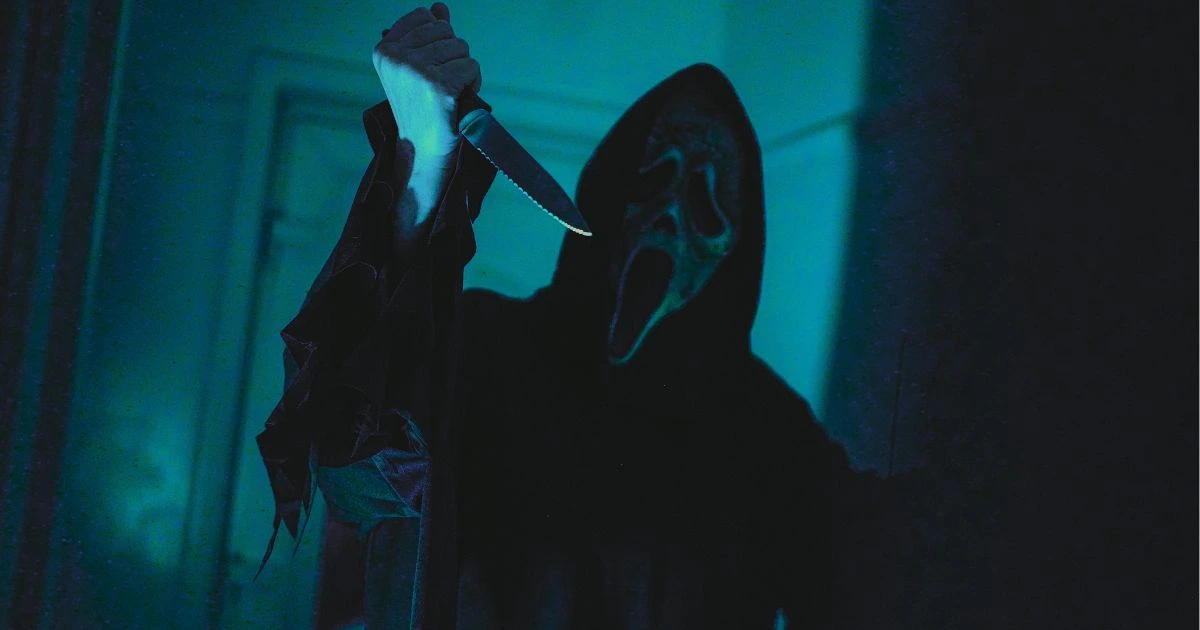
There is a specific kind of silence that only happens in the dead of winter when the heater hums just a bit too loudly and the shadows in the corner of the room seem to lean in to listen to your breathing. Usually, this is the part of the story where something sharp and terrible emerges from the dark. But lately, the story is changing. The protagonist doesn’t run; they pull their handmade quilt a little higher, take a sip of lukewarm chamomile tea, and acknowledge the monster under the bed like a troublesome but permanent roommate.
We are seeing a strange, beautiful shift in how people consume fear. As we navigate the complexities of this year, the literary world has stumbled upon a golden contradiction that I find myself thinking about constantly. Readers are exhausted by the nihilism of traditional slashers and the clinical coldness of psychological thrillers. They want to be unsettled, yes, but they also want to feel safe while it happens. This is the heart of the movement. Exploring the rise of Cozy Horror 2026 feels less like tracking a marketing trend and more like observing a collective psychological exhale. It is the literary equivalent of a haunted house that smells like freshly baked sourdough.
I spent an afternoon last week in a small, cramped bookstore in Seattle, tucked away from the rain. The owner told me that people aren’t asking for the “next big thing” in the way they used to. They aren’t looking for shock value. They are looking for “spooky comfort.” It sounds like an oxymoron, doesn’t it? How can something be terrifying and comforting at once? Yet, if you look at the digital shelves, the data is screaming. There is a palpable hunger for stories where the stakes are high and ghostly, but the atmosphere remains intimate and domestic.
Navigating the shift in niche book research
When I dig into the current landscape of digital publishing, the numbers tell a story of rebellion against the status quo. For a long time, the advice given to independent authors was to pick a side. You were either writing “sweet” or you were writing “dark.” The middle ground was considered a graveyard for sales. However, doing some deep niche book research lately reveals that the middle ground is exactly where the fire is starting to catch. The lines are blurring in a way that feels incredibly human and messy.
I’ve noticed that the most successful stories in this vein don’t follow a rigid template. They focus on the “liminal space”—that eerie feeling of being on a threshold. It’s about the ghost of a grandmother who still folds the laundry, or a cursed antique shop where the curses are more inconvenient than they are fatal. There is a certain honesty in these narratives. Life itself is often a mix of the mundane and the deeply unsettling, and these books finally reflect that reality without trying to be “elevated” or “prestige” horror.
The traditional publishing gatekeepers seem to be lagging behind on this one, caught off guard by how quickly the mood has shifted. They are still looking for the next massive, cinematic apocalypse, while the readers have moved into the garden to talk to the crows. This disconnect is fascinating. It suggests that the audience is no longer waiting for permission to like something “weird.” They are finding it themselves, buried in the sub-categories and the hidden corners of online communities. It makes me wonder if we’ve finally reached a point where the genre labels we’ve used for decades are becoming obsolete.
What the current KDP bestseller trends reveal about our psyche
If you spend any time looking at KDP bestseller trends, you’ll see the evidence of this pivot in real-time. The charts are being populated by titles that sound like they belong in a bakery but look like they belong in a cemetery. It’s a visual and thematic dissonance that works because it mimics the internal state of many readers right now. We live in a world that feels increasingly precarious, so we seek out stories where the monsters are manageable, or at least, where they have names and backstories that make sense.
I don’t think this is a fluke or a short-lived fad. There is something deeply rooted in the “cozy” aspect that acts as a container for the horror. By placing the supernatural within a setting of safety—a small town, a library, a tight-knit family—the author gives the reader a way to process fear without being overwhelmed by it. It’s horror with a safety rail. From a creator’s perspective, this is a playground. You can take the most ancient, terrifying tropes and dress them in a cardigan. The contrast creates a tension that is far more interesting than just gore for the sake of gore.
I saw a comment on a forum recently from an author who was frustrated because their “hard” horror wasn’t hitting like it used to. They couldn’t understand why readers were choosing “soft” stories instead. I think the answer is that we’ve had enough “hard” reality. We want the catharsis of a scare, but we don’t want to leave the book feeling hopeless. We want to believe that even in a haunted world, there is still a place for a good cup of coffee and a moment of genuine connection. The commercial success of these books isn’t just about clever keywords; it’s about meeting a very specific emotional need that has been ignored for too long.
The architecture of these stories is often circular rather than linear. They don’t always end with the evil being defeated in a grand explosion. Sometimes, the ending is just a quiet truce. The protagonist learns to live with the haunting. The forest stays dark, but the path is lit. This lack of a definitive, violent resolution is perhaps the most radical thing about the movement. It’s a rejection of the “hero’s journey” in favor of something more like a “survivor’s afternoon.”
As we move further into the year, I expect the aesthetics of this subgenre to bleed into other areas of culture. We’re already seeing it in fashion and home decor—a sort of “haunted cottagecore” that prioritizes the aged, the weathered, and the slightly off-kilter. It’s an embrace of the shadow side of life, but with a gentle touch.
There’s no telling how long this specific wave will last before it mutates into something else. That’s the nature of the beast, especially in self-publishing where things move at the speed of a mouse click. But for now, I’m enjoying the strangeness. I’m enjoying the fact that the most popular books on my e-reader are the ones that make me look twice at the reflection in the window and then go right back to my knitting. It’s a weird time to be a reader, and an even weirder time to be a writer, but maybe that’s exactly what we needed. The dark isn’t so bad when you have a candle lit, and the monsters aren’t so scary when you realize they’re just as lonely as you are.
FAQ
It is a blend of atmospheric, supernatural elements with a sense of safety, domesticity, and emotional warmth.
It’s already on its way, but its strength lies in its “niche” feel, which might be lost if it becomes too commercialized.
Certainly. It can involve cryptids, mild folk horror, or even strange “glitches” in reality.
Partially, but the biggest growth in 2026 is among adult readers looking for an escape.
Vital. It needs to signal “spooky” (dark colors, ghosts) and “safe” (whimsical fonts, warm lighting) simultaneously.
Frequently, yes. “Cozy Romantic Horror” is a massive sub-segment of the trend.
Slasher tropes are oversaturated; Cozy Horror offers a “blue ocean” of untapped emotional resonance for niche readers.
Yes, but it usually focuses on a specific “micro-setting” like a hidden bookstore or a specific apartment building.
It is a cornerstone. The horror is often mitigated by the support of a quirky, supportive group of friends or spirits.
Yes, the visual medium is perfect for capturing the “haunted cottage” aesthetic.
It’s growing, but the real innovation and volume are currently found in the indie and KDP spaces.
It’s a delicate dance of using sensory details—the smell of rain versus the smell of baking bread—to ground the fear.
Not necessarily happy, but usually “resolved” or “comforting” in a way that provides closure.
Often people looking for a fresh start, artisans, or “outsiders” who find community in strange places.
Yes, it has become more self-aware and often incorporates modern digital themes or “liminal space” aesthetics.
Friendly ghosts, cursed objects that help the owner, and “monsters” who are misunderstood or part of the community.
While both use atmosphere, Cozy Horror lacks the heavy decay and “grotesque” focus of Gothic literature, opting for more “cuddly” elements.
Small towns, isolated cottages, libraries, bakeries, or old family homes are the standard.
Not at all. It often deals with profound themes like grief and isolation, but avoids gratuitous violence and nihilism.
Usually no. The subgenre relies on low physical stakes for the protagonist and a focus on atmosphere over slaughter.
Readers are seeking “spooky comfort”—a way to experience thrill and catharsis without the psychological exhaustion of extreme horror.