
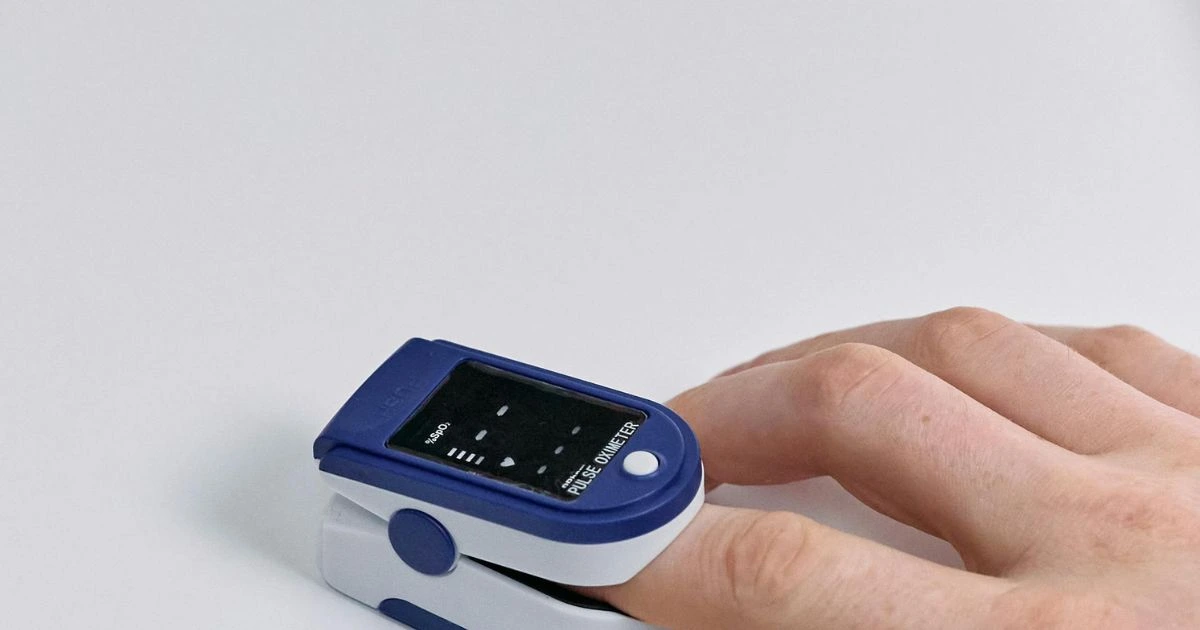
The first time I walked into a modern workspace in San Francisco earlier this year, I didn’t see the usual rows of glowing monitors or heard the caffeinated hum of a typical Tuesday. Instead, there was a strange, rhythmic pulse to the room. People weren’t just working; they were being monitored, not by a hovering manager, but by the very furniture they sat on and the watches on their wrists. It felt like walking into a living organism rather than a corporate headquarters. We have moved past the era where a “wellness program” meant a bowl of free fruit in the breakroom or a discounted gym membership that nobody actually used. Now, the office knows when your cortisol levels are spiking before you even realize you’re stressed. It’s a shift toward what many are calling Biometric Wellness, a concept that sounds slightly dystopian until you’ve spent three consecutive nights staring at a spreadsheet until your vision blurs.
I remember the old way of working, the one where “powering through” was considered a badge of honor. You would sit at your desk for eight hours, ignoring the tension in your neck and the subtle fluttering in your chest, thinking that another espresso would solve the problem. But the body doesn’t lie. Your heart rate variability, or HRV, is a brutally honest narrator of your internal state. In the current landscape of 2026, companies are finally listening to that narration. They are integrating sensors into ergonomic chairs and keyboard wrist rests to track these physiological markers in real-time. It isn’t about surveillance in the traditional, “are you at your desk” sense. It’s about biological sustainability.
How employee health AI is redefining the nine to five
There is a certain irony in using more technology to solve the problems created by technology. We are tethered to our devices, yet we are now asking those same devices to tell us when to walk away from them. This is where employee health AI comes into play, acting as a sort of digital guardian angel that understands the nuance of human fatigue. The software doesn’t just see a high heart rate and assume you’re having a heart attack; it correlates that data with your calendar and your typing speed. If it sees your heart rate climbing while you’re drafting a difficult email, it might suggest a three-minute breathing exercise or even lock your screen for a short duration to force a mental reset.
I’ve watched colleagues react to these interventions. Some find it intrusive, a breach of the last private frontier: the internal chemistry of their own bodies. Others find it liberating. There is a specific kind of relief that comes when an algorithm validates your exhaustion. It removes the guilt of taking a break. You aren’t being “lazy”; your biometric data is simply indicating that your cognitive load has reached its peak. In many offices across the United States, from the tech hubs of Austin to the financial districts in New York, this data is being used to reshape the entire workday. We are seeing a move away from the rigid forty-hour week toward a more fluid, biologically-led schedule.
The implications for management are massive and frankly, a bit messy. If a manager can see the aggregated stress levels of their team, they can no longer ignore the impact of a looming deadline or a toxic client. It puts a mirror in front of leadership. If the Biometric Wellness dashboard for a specific department is constantly glowing red, the problem isn’t the employees; it’s the workflow. This creates a level of accountability that didn’t exist when burnout was something you only talked about in exit interviews. But it also raises questions about what happens to the person whose heart naturally beats a little faster or who doesn’t “recover” as quickly as their peers. Are they seen as a liability? The technology is here, but the ethics are still being written in pencil.
The silent shift in productivity 2026
We used to measure output by the number of words written, the lines of code finished, or the tickets closed. That was the old metric. The new obsession is productivity 2026, which focuses on the quality of the “flow state” rather than the quantity of hours logged. If you can achieve in three hours of high-focus, low-stress work what used to take you eight hours of distracted, high-cortisol labor, everyone wins. Sensors are the bridge to that efficiency. They help identify the “red zone” before you cross it, allowing for a proactive rather than reactive approach to mental health.
I was skeptical at first. I didn’t want my watch telling me how to feel. But then I noticed how my own patterns changed. I started seeing the correlation between my morning meetings and a mid-afternoon slump that no amount of sugar could fix. The data showed my heart rate staying elevated long after the meeting ended. The AI suggested that I was “ruminating,” and it was right. By adjusting my schedule to include a ten-minute walk immediately after high-stakes calls, my overall energy levels for the week stabilized. It’s a small adjustment, but when applied across an entire organization, the cumulative effect on morale is palpable.
There is a hidden cost to the way we used to work, a “burnout tax” that companies paid in the form of turnover and medical leave. By investing in Biometric Wellness, they are essentially trying to hedge against that loss. But let’s be honest: there is also a performative element to it. Some companies adopt these tools because they want to look cutting-edge, while the underlying culture remains as grinding as ever. A heart-rate sensor can’t fix a boss who sends Slack messages at 2 AM. The tech can signal the fire, but it can’t always put it out.
The physical environment of the office is changing too. Lighting now shifts in temperature and intensity based on the collective biometric feedback of the room. If the sensors detect a general rise in stress across the floor, the overhead lights might soften into a warmer, more amber hue, and the white noise machines might subtly shift frequencies. It’s subtle, almost subconscious. You don’t notice it happening, you just notice that you don’t feel as frazzled at 4 PM as you used to. It makes the workspace feel less like a box and more like a partner in your work.
Where does this leave us in the long run? We are essentially turning our bodies into data points for the sake of corporate efficiency. There is a risk that we lose our own internal compass, our ability to feel our own tiredness because we are waiting for an app to tell us we’re tired. We are outsourcing our self-awareness. And yet, looking at the alternative—the wreckage of the burnout culture that defined the last two decades—it’s hard to argue against a system that at least tries to acknowledge our biological limits.
The future of work isn’t just about where we do it or what tools we use; it’s about how much of ourselves we are willing to measure. As we continue to integrate these sensors into our daily lives, the line between “at work” and “at rest” becomes even thinner. We are entering a period of experimentation where the results aren’t yet in. We know how to track a heart rate, but we are still learning what it means to truly support a human being. The office of 2026 is a laboratory, and we are all, for better or worse, the subjects.
Whether this leads to a more humane world or just a more efficiently exploited one remains to be seen. I find myself glancing at my wrist more often these days, checking the little jagged line of my heart rate. It’s steady for now. But the workday is only halfway through, and the sensors are always watching, waiting for the moment I start to fray.
FAQ
It refers to the use of physiological data—like heart rate, skin temperature, and oxygen levels—to monitor and improve the health and productivity of employees.
It is becoming a standard in high-competition markets in the United States and Europe, though global adoption depends on local labor laws.
Yes, sensors can track “sedentary behavior” and prompt users to change their posture or stand up when they’ve been still too long.
No, but it provides HR with data-driven insights to support their decisions regarding employee well-being.
It’s a shift toward measuring “depth of work” and biological efficiency rather than just time spent at a desk.
Offices are becoming more “fluid,” with more spaces dedicated to the “recovery” phases suggested by the biometric data.
No, it’s spreading into finance, legal, and even manufacturing sectors where high-stakes decision-making is common.
They can’t read your mind, but they can see if your physiological state matches the cognitive demands of your current task.
It’s a mix. Younger “digital natives” tend to be more comfortable with it, while older generations often find it a significant overreach.
The primary fear is that biometric data could eventually be used for performance reviews or to increase insurance premiums.
Yes, many remote teams use the same software to stay connected and ensure home-based workers aren’t overworking themselves.
HRV is the variation in time between each heartbeat. High HRV usually indicates a resilient, well-rested nervous system, while low HRV signals stress.
While possible, the AI is usually sophisticated enough to tell the difference between genuine physiological stress and manual manipulation.
Smart lighting systems can adjust to “circadian rhythms,” using blue light to boost morning energy and warm light to reduce afternoon stress.
Most use a combination of wearable devices, like smartwatches, and “passive” sensors embedded in office furniture, such as chairs that track posture and heart rate.
It varies by company, but most modern HR departments treat them as opt-in “benefits” to avoid legal and privacy backlash.
The AI typically establishes a baseline for each individual, so it’s looking for deviations from your norm, not a universal standard.
It’s leaning that way. Many companies are using this data to move toward “results-based” or “energy-based” scheduling rather than strict hourly requirements.
AI analyzes the massive amounts of biometric data to find patterns, such as identifying which types of tasks cause the most physical strain on a specific worker.
It acts as an early warning system. By identifying the physiological signs of stress before they become chronic, it allows for interventions like forced breaks.
In most reputable systems, data is anonymized and aggregated for management, meaning they see team trends rather than individual “stress scores.”
