


Imagine your book, the one you poured your heart into years ago, finding a brand new audience. Instead of gathering digital dust on an e-reader or getting lost in the endless scroll of an online marketplace, it could be playing through car speakers during morning commutes, keeping someone company on a long run, or soothing a listener to sleep. The audiobook industry has experienced phenomenal, double-digit growth over the last decade, and if you have an older ebook sitting around, you are already sitting on a goldmine of untapped potential. Turning that written text into a professional audiobook might sound like a daunting technical challenge reserved only for massive, traditional publishing houses with endless budgets. However, thanks to specialized platforms, the production process has been democratized for independent authors everywhere. This guide will walk you through the transformative, step-by-step journey of taking your existing written work and bringing it to life in the vibrant, rapidly expanding world of audio formats.
Understanding the ACX Ecosystem and the Audiobook Boom
The very first step in your audio journey is understanding the digital landscape and the primary tool at your disposal. ACX, which stands for Audiobook Creation Exchange, is essentially a marketplace created by Audible that connects authors, literary agents, and traditional publishers with professional narrators, sound engineers, and recording studios. Think of it as a highly specialized matchmaking service for the spoken word. Before platforms like this existed, creating an audiobook required thousands of dollars upfront for studio time, audio engineering, and professional voice talent. Today, the system is designed to completely remove those massive financial and logistical barriers. By leveraging this platform, independent authors can distribute their finished audiobooks directly to Audible, Amazon, and iTunes, reaching millions of eager listeners worldwide. To understand the sheer scale of this marketplace, you can explore the Amazon (company) Wikipedia page, which highlights how their subsidiary Audible dominates the global digital spoken-word ecosystem. The true beauty of the ACX platform is that it allows you to retain total control over your creative property while seamlessly tapping into a massive, established distribution network.
Preparing Your Manuscript for the Ear
Before you even log into the platform and set up your author profile, your old ebook needs a thorough makeover to become completely “audio-ready.” Reading with the eyes is vastly different from consuming content with the ears. When someone reads your ebook, they can easily skip over phrases like “click the link here to learn more” or visually digest a complex data chart. An audiobook listener, however, cannot click a link or see an image. You must go through your manuscript and ruthlessly edit out any visual cues, hyperlinks, or formatting notes that simply do not translate to an audio experience. This includes changing phrases like “see chapter four” to “as discussed in chapter four,” or entirely removing calls to action that require a web browser to execute. Furthermore, it is highly recommended to create a comprehensive “character sheet” or a detailed pronunciation guide if your book is fiction, fantasy, or contains specialized industry terminology. This crucial document will be an absolute lifesaver for your future narrator, ensuring they do not accidentally mispronounce your main character’s name for ten straight hours. Taking the time to craft a clean, audio-friendly script sets a solid foundation for a smooth production process and guarantees a much better final listening experience for your audience.
Casting Your Narrator and Choosing a Payment Structure
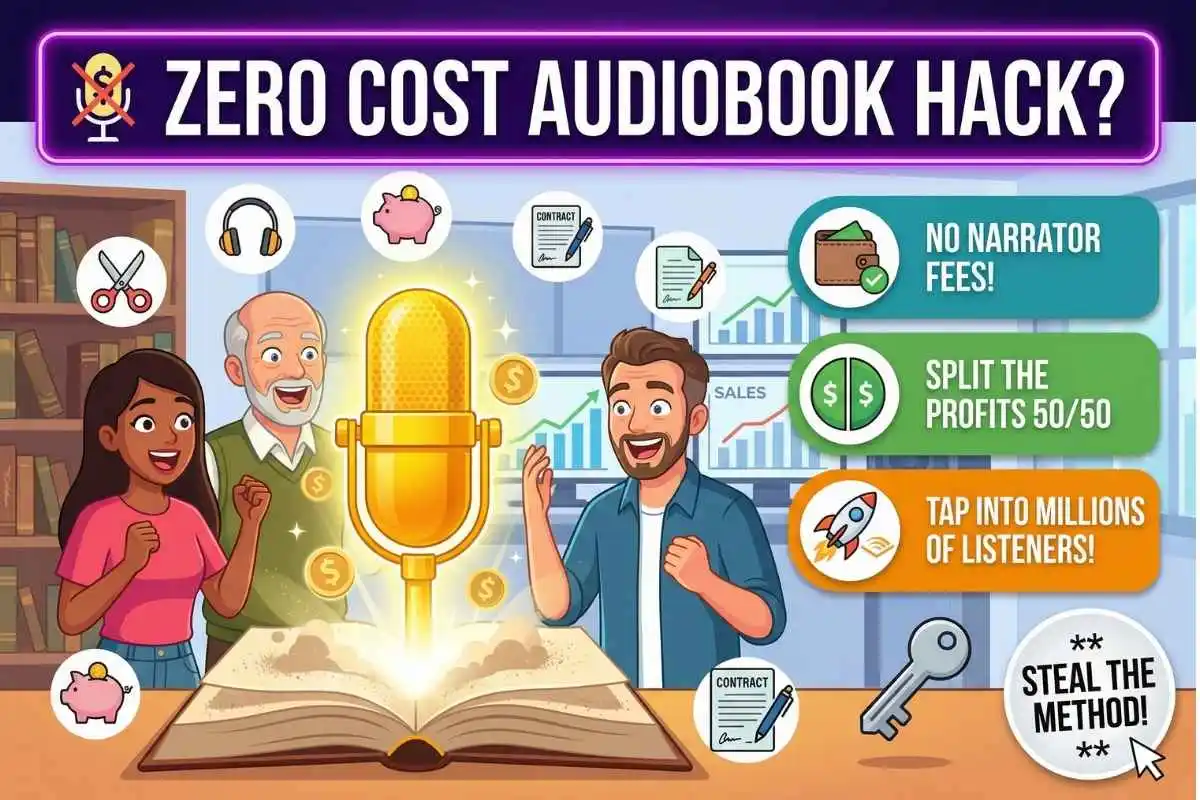
Once your script is perfectly polished, the fun truly begins: finding the specific voice that will bring your book to life. On the platform, you will post an audition script—usually a two-to-three-page excerpt that perfectly captures the essence, pacing, and overall tone of your story. Professional narrators will then record this sample and submit it directly to you for your review. When listening to these auditions, it helps to close your eyes and ask yourself if this is the voice you want your listeners to spend several hours intimately engaging with. Does their natural pacing match your specific genre? Do they capture the emotional depth of the scene accurately? Alongside casting the perfect voice, you must simultaneously decide how to financially compensate your narrator. ACX generally offers two primary paths: “Royalty Share” and “Pay for Production” (often referred to within the industry as Per Finished Hour, or PFH). Royalty Share means you pay zero dollars upfront; instead, you and the narrator legally split the royalties 50/50 on all future sales of the audiobook. This is a fantastic option for authors operating on a tight budget. Alternatively, paying Per Finished Hour means you pay the narrator a flat, agreed-upon rate for their work upon completion, allowing you to keep all of your author royalties moving forward. The right choice depends entirely on your current financial situation, your marketing budget, and your long-term sales expectations.
Navigating the Production and Quality Control Process
After you finally select a narrator and digitally sign the contract to agree on the terms, your book officially moves into the highly anticipated production phase. Your chosen narrator will typically record and send you the first 15 minutes of the book to formally review. This is an absolutely crucial checkpoint in the process. You must listen meticulously to ensure the tone, pacing, and specific character voices are exactly what you envisioned before they proceed to record the remaining ten or twelve hours. If you catch an issue here, it is relatively easy to fix; if you wait until the very end of the project, re-recording becomes a logistical nightmare for everyone involved. Once the entire book is fully recorded, you will have the opportunity to review all the final audio files chapter by chapter. You are specifically listening for accidental mispronunciations, skipped sentences, or weird background noises like a passing siren or a dog barking. Keep in mind that all audiobooks must adhere to incredibly strict technical standards regarding the noise floor, room tone, and RMS volume levels. If you are ever curious about the complex legalities of adapting your written work into a brand new format, the U.S. Copyright Office provides excellent, in-depth resources on derivative works and managing audio rights. Your narrator should handle the heavy technical audio mastering, but as the rights holder, you remain the final quality control check before the book goes live to the public.
Distribution, Marketing, and Reaping the Rewards
The final hurdle in your audiobook journey is choosing your specific distribution strategy and finally hitting the publish button. The platform gives you the option of either exclusive or non-exclusive distribution. Exclusive distribution means your audiobook can only be legally sold on Audible, Amazon, and iTunes, but in return for this exclusivity, you receive a much higher royalty rate on every single sale (currently sitting at 40%). Non-exclusive distribution allows you the freedom to sell your audiobook on alternative platforms, like Google Play, Kobo, or local library applications, but your base royalty rate drops significantly (currently to 25%). Most first-time audio authors initially choose the exclusive route simply because Audible controls such a massive, undeniable portion of the consumer market, but the ultimate choice is entirely yours to make. Once your book is officially live and available for purchase, the hard work dramatically shifts from production to active marketing. You can heavily utilize the free promo codes provided by the platform to get early reviews from listeners, reach out to prominent audiobook reviewers on social media platforms, or run targeted digital advertisements. Remember, an audiobook breathes completely new life into an old, forgotten story. By tapping into the rapidly growing community of dedicated listeners, you are not just cleverly repurposing old content; you are actively expanding your overall author brand and successfully creating an entirely new, sustainable stream of passive income.
Data Breakdown: ACX Payment Structures Compared
To help you make the best financial decision for your project, here is a quick comparison of the different ways you can fund and distribute your audiobook.
| Payment Structure | Upfront Cost to Author | Author Royalty Rate (Exclusive) | Best Suited For… |
| Royalty Share | $0 | 20% (Split 50/50 with narrator) | Authors with low budgets who want to mitigate financial risk. |
| Per Finished Hour (PFH) | $150 – $400+ per hour of audio | 40% (Author keeps full share) | Authors with upfront capital who expect high, long-term sales. |
| DIY (Author Narrated) | Cost of recording equipment | 40% (Author keeps full share) | Non-fiction authors, or fiction authors with professional acting experience. |
Frequently Asked Questions
How long does it typically take to produce an audiobook? The timeline varies wildly depending on the length of your ebook and your narrator’s schedule. On average, a standard 80,000-word novel translates to about 8 to 9 hours of finished audio. Producing this usually takes a professional narrator anywhere from four to eight weeks from the time the contract is signed to the final delivery of the files.
Can I narrate my own audiobook to save money? Yes, you absolutely can! However, you must be prepared to invest in high-quality recording equipment (a good microphone, a pop filter, and audio editing software) and create a soundproof space. You must also possess the technical skills to master the audio to meet ACX’s strict submission requirements, which can be a steep learning curve for beginners.
Do I need new cover art for my audiobook? Yes. While you can use the same general design as your ebook, audiobook covers must be perfectly square. The exact specifications require a square image that is at least 2400 x 2400 pixels in size, and it cannot contain any references to physical media (like a graphic of a CD or text saying “audiobook edition”).
What happens if I find an error in the audio after it is published? While you should strive to catch all errors during the review phase, mistakes happen. If you find a critical error after publication, you can reach out to your narrator to record a “pickup” (a correction). You can then submit the corrected audio file to ACX support to have the live version replaced, though this process can take several weeks to update across all retail channels.
A Final Note of Curiosity: The Evolution of Listening
It is fascinating to think about how far the audiobook has come. The concept didn’t begin with smartphones or digital downloads. The very first iteration of what we now call “audiobooks” began in 1932 with the establishment of the “Talking Books Program” by the American Foundation for the Blind. Congress passed an amendment allowing the Library of Congress to produce books on long-playing vinyl records for visually impaired adults. Each side of these massive records held about 15 minutes of speech.
From heavy vinyl records to cassette tapes in the 1980s, to CDs in the 1990s, and finally to the seamless, cloud-based digital streaming we enjoy today, the desire to be told a good story remains a fundamental human trait. By turning your ebook into an audiobook, you are participating in a rich, century-old tradition of storytelling, making your words accessible to those who cannot read them visually, and those who simply prefer to close their eyes and listen.

