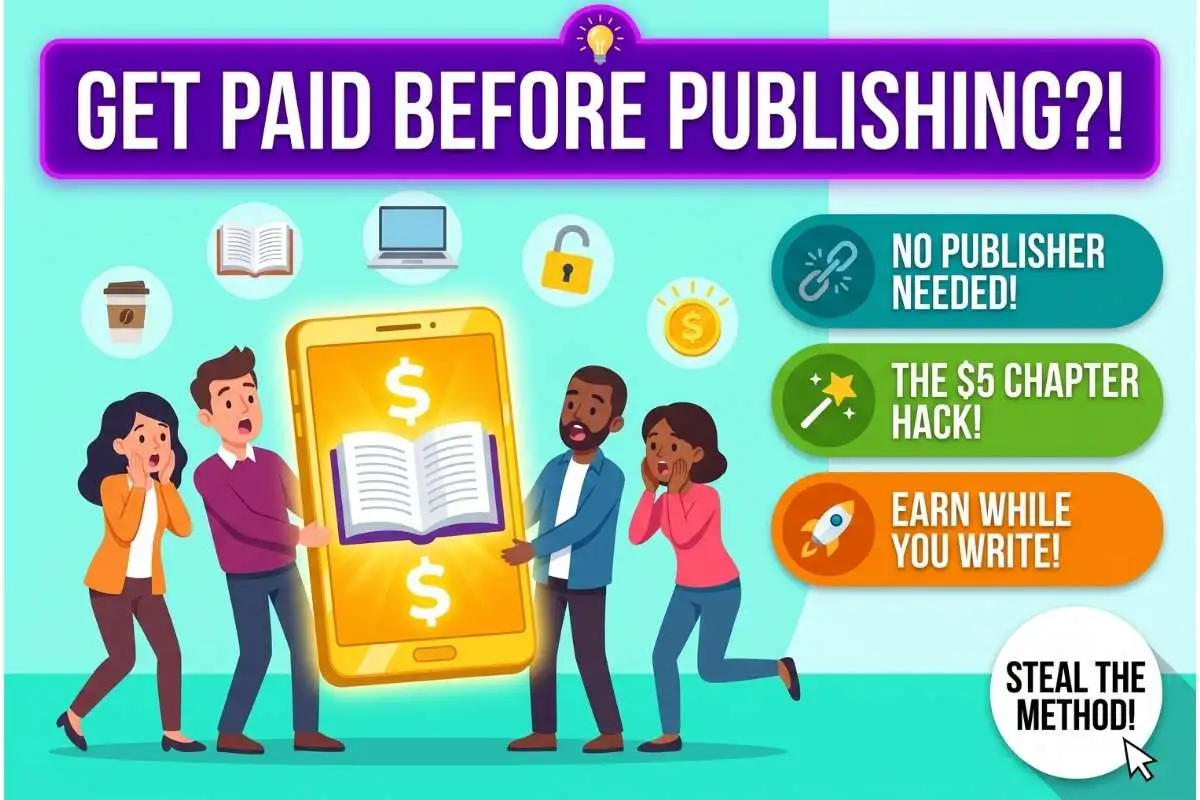
Chapter-Gated Fiction Platforms: The $5 Revolution Changing How We Read
Imagine waking up, grabbing your morning coffee, and immediately opening an app on your smartphone—not to doom-scroll through social media, but to read the newest thrilling chapter of an ongoing novel. For millions of readers around the globe, this has become a daily ritual. We have officially entered the golden age of chapter-gated fiction platforms. In this rapidly expanding digital ecosystem, authors charge a modest monthly subscription, typically around $5, to grant eager fans exclusive access to their latest story updates. It is a brilliant blend of old-school storytelling and modern subscription economics. This model is transforming everyday writers into thriving digital entrepreneurs while giving readers a deeply immersive, front-row seat to the creative process.
The Return of the Serialized Novel
The concept of releasing a story piece by piece is far from a modern internet invention. Back in the nineteenth century, legendary literary giants like Charles Dickens and Alexandre Dumas captivated massive audiences by publishing their iconic works in weekly or monthly newspaper installments. Readers would famously crowd the docks, eagerly waiting for the next shipment of periodicals just to find out what happened to their beloved characters. Today, chapter-gated fiction platforms have resurrected this deeply engaging format, replacing ink-stained paper with sleek, push-notification-enabled mobile applications. Instead of waiting for a physical ship to arrive, readers simply wait for a digital alert to pop up on their screens. This modern iteration of the serialized novel taps directly into our innate human desire for suspense. By breaking a massive, daunting book into bite-sized, easily digestible chapters, authors create a daily reading habit for their audience. The reader becomes deeply invested in the ongoing journey, constantly checking their app for the next crucial update.
The Economics of the $5 Subscription
At the core of this modern literary revolution is a shockingly simple but incredibly powerful economic engine: the $5 monthly micro-subscription. In the traditional publishing world, an author might spend two exhausting years writing a book, another year navigating the painfully slow querying process, and yet another year waiting for the novel to hit bookstore shelves, only to earn a tiny royalty fraction on each copy sold. Chapter-gated fiction flips this outdated script entirely on its head, empowering writers to monetize their raw imagination in real-time. By charging a low barrier-to-entry fee—roughly the cost of a single iced latte—authors can aggregate thousands of small payments into a highly predictable monthly income. If an independent writer manages to captivate just one thousand dedicated fans willing to pay five dollars a month, they instantly unlock a sixty-thousand-dollar annual salary, allowing them to quit their day jobs and write full-time. Because authors retain full intellectual property rights over their original work, they can officially register for copyright protection and later publish the completed works as traditional books to earn even more.
Building a Dedicated Reader Community
Beyond the obvious financial windfalls, the true magic of the chapter-gated model lies in the vibrant, highly interactive communities that inevitably sprout up around these serialized updates. When a reader gladly pays their five dollars a month, they are purchasing much more than just early access to words on a glowing screen; they are buying an exclusive VIP pass into the author’s creative inner circle. Many of these modern platforms feature robust commenting systems, dedicated forums, and live author-reader interaction tools that transform the solitary act of reading into a wildly entertaining communal experience. Fans form digital book clubs, theorizing about upcoming plot twists, passionately debating the motives of morally grey characters, and bonding over shared emotional reactions. This dynamic, real-time feedback loop can fundamentally alter the trajectory of a story. A minor background character who unexpectedly captures the audience’s heart might be promoted to the main cast, while a storyline that falls flat can be gracefully adjusted based on reader reactions.
Platform Mechanics and the Author’s Toolbox
For an entrepreneurial author looking to launch their own $5 subscription empire, the technical mechanics of these publishing platforms are designed to be entirely frictionless. The most common operating procedure involves a staggered release schedule known in the industry as the “advanced chapter” strategy. The author posts their newly written chapters behind a strict digital paywall, making them exclusively available to paying subscribers first. As time progresses—perhaps a week or a month later—those older chapters automatically unlock and become free for the general public to enjoy. This ingenious freemium funnel serves a vital dual purpose. The free chapters act as a massive, organic marketing tool to draw in thousands of casual, non-paying readers, while the agonizing cliffhangers at the end of the free content heavily incentivize those same readers to finally pull out their credit cards and upgrade to the paid tier. To protect these valuable digital assets, platforms invest heavily in sophisticated anti-piracy measures, intentionally disabling copy-paste functionality on mobile devices to ensure the gated content remains truly exclusive.
The Shadow Side: Burnout and the Content Treadmill
While the financial and communal rewards of chapter-gated fiction are undeniably alluring, this digital gold rush is not without its significant hurdles, the most prominent being the ever-present threat of severe creator burnout. When a large audience is paying a recurring monthly subscription specifically for regular story updates, the pressure to produce fresh content consistently can become incredibly overwhelming. Unlike traditional publishing, where authors can comfortably take months or even years off between book releases to rest and recharge, the serialized subscription model demands a relentless, grinding pace. Many top-earning authors on these fast-paced platforms write and publish upwards of five to ten thousand words a week, every single week, with virtually no days off. If a writer falls sick, experiences a sudden creative block, or simply needs a short vacation, they risk angering their paying subscribers and seeing their monthly revenue drop. To survive this grueling content treadmill, successful digital authors must become absolute masters of time management and discipline.
Comparing the Major Fiction Platforms
| Platform Name | Primary Monetization | Best Fit For | Reader Experience |
| Patreon | Monthly $5+ Tiers | Established authors with external audiences | Exclusive feed, high interaction |
| Webnovel | Pay-per-chapter coins | Fast-paced, daily serial writers | Gamified app, built-in traffic |
| Substack | Monthly newsletters | Literary fiction and essays | Clean, email-based reading |
| Royal Road | Free (funnels to Patreon) | Sci-Fi, Fantasy, and LitRPG | Heavy community focus, free access |
Frequently Asked Questions
Do I need a massive following to start charging $5 a month? You do not need a massive global following to start earning money, but you absolutely do need a highly engaged core audience. Most successful serialized authors begin by posting their chapters entirely for free on public discovery platforms to slowly build a dedicated readership. Once they have hooked a few hundred loyal readers who desperately want to read ahead of the public release schedule, the author introduces the $5 subscription tier. Even capturing fifty true fans can provide a steady supplemental income that validates the writer’s hard work and dedication.
What genres perform best on chapter-gated fiction platforms? While almost any genre can find a home online, heavily serialized genres with long, overarching plots tend to perform the absolute best. High fantasy, science fiction, LitRPG (Literary Role Playing Games), and romance are massive powerhouses in the chapter-gated ecosystem. These specific genres naturally lend themselves to gripping cliffhangers, expansive world-building, and continuous character progression, which keeps readers eager to pay for the next update month after month. Standalone literary fiction or short episodic comedies often struggle to maintain the long-term subscriber retention required for the monthly model to thrive.
Can authors traditionally publish their serialized novels later? Yes, they absolutely can, and many of the most successful digital authors routinely do exactly that. Because chapter-gated platforms usually allow the creators to retain their complete intellectual property rights, the author is entirely free to package the completed story into a traditional novel format later on. Many writers will take their completed serial, run it through a professional editing process to polish the prose, and release it as an e-book, paperback, or audiobook on major retail storefronts. This allows the author to monetize the exact same story twice, reaching entirely different reading demographics.
Curiosity: The Global Origins of the Web Fiction Boom
Did you know that the modern template for chapter-gated reading was largely perfected in Asia before sweeping the Western world? Platforms in China and South Korea pioneered the micro-transaction reading model in the early 2000s, generating billions of dollars in revenue by proving that readers would gladly pay pennies per chapter for high-quality, addictive storytelling. Today, massive global hits and popular television adaptations routinely trace their origins back to these humble, serialized web novel platforms, highlighting a cultural shift that is now taking the English-speaking world by storm.
In summary, the transition toward the $5-a-month chapter-gated model represents a massive paradigm shift in how we consume and value the written word. It democratizes the publishing industry, allowing authors to forge direct, profitable relationships with their readers without relying on corporate gatekeepers. Whether you are an aspiring author looking to turn your passion into a sustainable career, or simply a voracious reader searching for your next daily obsession, the serialized fiction revolution offers an exciting, highly interactive frontier that is completely changing the modern literary landscape.