
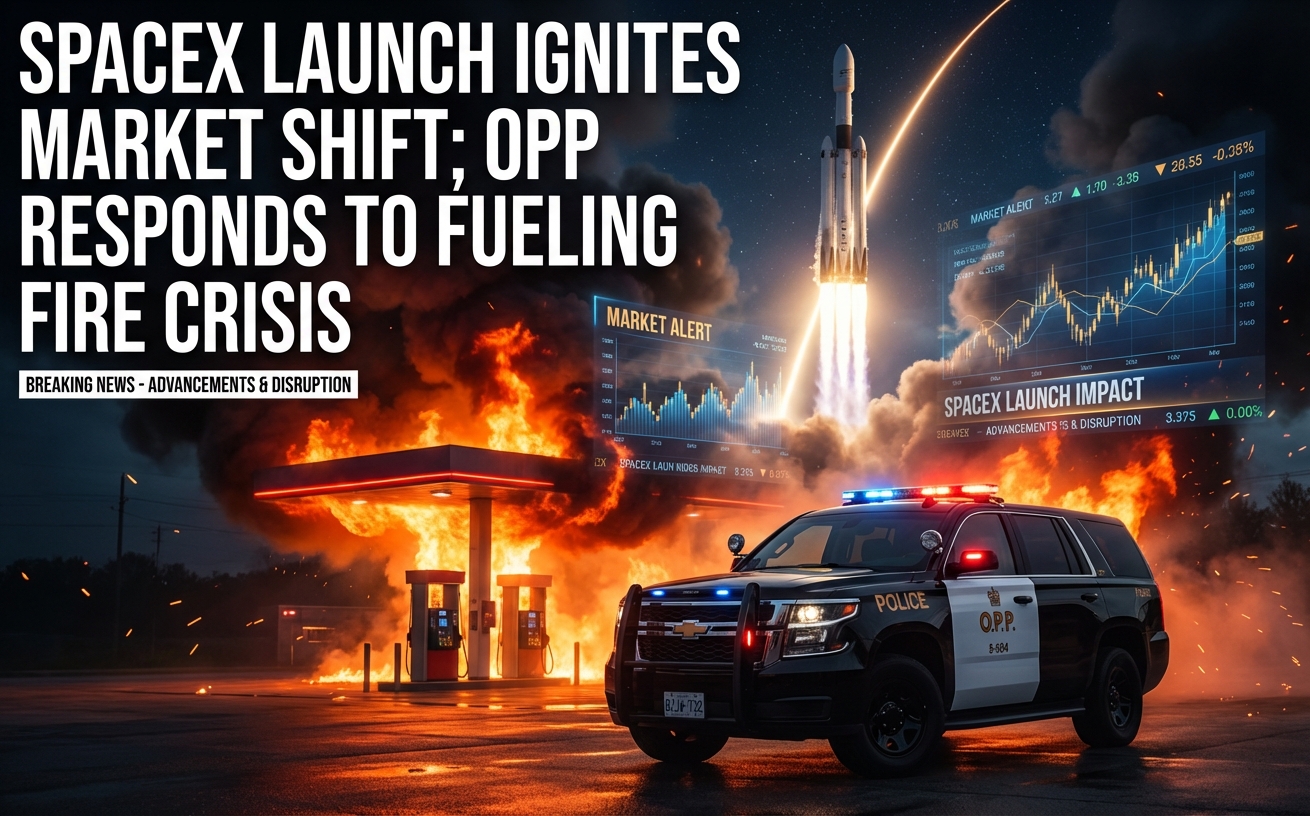
The unassuming neighborhood filling station, the lifeblood of global commerce and personal mobility, is facing a shocking escalation in operational risk that Wall Street simply has not priced in. While analysts obsess over EV adoption curves and upstream crude pricing, a far more immediate, ground-level threat is emerging: targeted, dangerous acts of vandalism and arson at the pump. This isn’t about a faulty nozzle or static electricity; we are seeing coordinated attempts—often by young individuals—to weaponize gasoline itself, turning routine refueling stops into catastrophic pyrotechnic events. The implications extend far beyond the immediate, scorched pavement, striking at the heart of energy distribution security and the balance sheets of companies like Valero Energy Corp.
We have just witnessed a terrifying near-miss, according to local reports, where suspects allegedly attempted to ignite gasoline while it was actively being dispensed into a vehicle. This shocking incident, involving what police described as older teens or young adults, highlights a disturbing trend where the fundamental act of transaction at a gas station becomes a high-stakes gamble. The quick action of an attendant who shut off the pump and used an extinguisher prevented what could have been a devastating, multi-pump explosion involving significant loss of life and destruction of property. This single event, while isolated geographically, serves as a flashing red light for every operator in the downstream petroleum sector.
The Underpriced Liability of Retail Fueling Infrastructure
When investors model the future profitability of integrated energy giants or specialized refining companies, the primary variables are usually commodity volatility, refining margins, and regulatory compliance costs. Rarely, if ever, do risk assessments explicitly factor in the probability of deliberate ignition during the dispensing process. This incident forces a brutal reckoning. The liability exposure for a corporation owning or franchising that specific operation, even if the act was criminal, is immense. We are talking about potential wrongful death suits, multi-million dollar property damage claims, and, most acutely, systemic business interruption costs that cascade across the region supplied by that local hub. For a major player like Valero Energy Corp, which operates thousands of branded locations, these small, frequent security failures accumulate into substantial systemic risk that insurance premiums simply cannot cover adequately when the severity of the potential loss is this high.
Furthermore, consider the psychological toll and its impact on operational capacity. An attendant facing down a deliberately set fire fueled by volatile hydrocarbons must react instantly. If that attendant fails, the entire operation grinds to a halt, leading to shortages or redirects that impact supply chains days later. The cost of mandated retrofitting—from enhanced external fire suppression systems integrated directly with the fuel island’s main switch, to advanced thermal monitoring—will create an immediate, massive capital expenditure cycle for the entire sector. This isn’t about upgrading pumps for credit card security; this is hardening the weakest link in the entire energy delivery network against intentional malice.
The economics of owning a gas station have always been razor-thin, operating on razor-thin margin stacking across fuel sales, convenience store transactions, and car washes. Introducing the need for armed, dedicated security patrols or installing multi-million dollar failsafe systems fundamentally destroys the established operating model. This shifts the focus from optimizing throughput to mitigating existential threat, a paradigm shift that will squeeze independent operators out of the market first, leaving only the largest, most capitalized entities able to withstand the new security overhead. The implication for consumer pricing is direct and undeniable: risk gets priced into the gallon.
Historical Echoes: From Sabotage to Systemic Failure
To understand the gravity of this development, we must look back at historical stress tests on the energy infrastructure. We are far removed from the casual vandalism of past decades. This act mirrors more organized, malicious behaviors seen during periods of intense geopolitical tension where energy targets were explicitly struck to disrupt civilian life and national morale. Think about the attacks on oil pipelines during mid-century conflicts or the calculated disruption campaigns targeting electrical substations in the late 2010s. Those events necessitated massive federal and private sector investments in hardening critical infrastructure. The current incident suggests that the threat model has devolved, or perhaps evolved, to target the most accessible, yet most volatile, point of interaction: the retail fuel station.
The infrastructure fragility of the energy supply chain was severely tested during Hurricanes Katrina and Rita. What we saw then was the breakdown of distribution post-disaster—tanks ran dry, pumps failed due to lack of power, and panic buying caused localized chaos. In that scenario, the failure was environmental. The current threat is human-directed and intentional during a period of relative normalcy. This is arguably more insidious because it requires constant, proactive defense against unpredictable actors, rather than reactive recovery from a predictable natural event. The failures of the past taught us that resilience requires decentralized strength; this recent event shows that an attack on a single, seemingly minor node can cause immediate, tangible public safety failure.
We must also consider the precedent set by fuel theft operations. Historically, pump tampering or siphoning represented operational shrinkage. While costly, it was often handled with minor security upgrades. The attempted ignition raises the specter of organized attempts to create widespread panic or disable regional supply lines simultaneously. If multiple incidents occur across several states citing similar methodologies, regulators will be forced to implement sweeping, restrictive measures on fuel handling that will severely hamper the efficiency that companies have spent decades perfecting. The historical lesson remains: when the public perceives immediate danger at the point of service, confidence in the underlying utility vanishes rapidly.
The Psychological Tipping Point for Energy Consumers
The greatest non-financial cost of this kind of event is the sudden erosion of societal trust in routine commerce. Filling a vehicle with gas is perhaps the most common, unquestioned transaction most drivers perform weekly. When that act becomes associated with televised danger—fire erupting at the pump—the resulting psychological response will manifest as preemptive panic buying, even if the underlying supply chain remains robust. We saw this during initial COVID lockdowns and pipeline scares; the perception of impending scarcity triggers the behavior causing the scarcity.
This creates a vicious feedback loop for distributors. An incident puts a station offline. Local media covers the danger, causing customers to divert to the next closest facility. That facility, unprepared for the surge in volume, runs low on inventory faster than scheduled, triggering alarms at the wholesale distribution level. Suddenly, a localized criminal act has forced a regional supply chain manager, who thought they were simply routing fuel delivery trucks based on typical daily usage data, to deploy emergency, high-cost spot tanker loads to avoid local media-fueled fuel crises. The ripple effect demonstrates that these retail points are far more networked and fragile than balance sheets suggest.
For the perpetrators, the motivation is complex, often combining thrill-seeking with anti-establishment sentiment. Regardless of the intent, the operational impact is profound. It forces energy companies to spend capital not on innovation or efficiency, but on defense. Every dollar spent installing surveillance cameras focused on the forecourt, or training staff for bomb disposal contingencies, is a dollar diverted from renewable energy research, infrastructure upgrades, or rewarding shareholders. This is the hidden tax on maintaining the status quo of fossil fuel distribution in an increasingly turbulent social climate.
Future Scenarios: What Happens When the Industry Reacts
Looking forward, three primary paths emerge for the energy sector in response to escalating retail hostility. The first, the most likely short-term scenario, involves a massive, reactive tightening of physical security protocols. Expect mandatory staff training focused explicitly on fire suppression during criminal acts—not just accidents. We will see the immediate deployment of high-resolution, AI-enhanced cameras specifically monitoring fuel dispensing nozzles and customer behavior near the point of sale. This will increase insurance premiums across the board, passing the cost directly to the consumer, but it buys time for systemic changes.
The second scenario involves a strategic withdrawal from high-risk urban or high-traffic corridors by major brands. If the data suggests that certain locations face disproportionately high risk, companies like Valero Energy Corp might choose to sell off those properties to smaller, regional entities less burdened by large corporate liability structures, or simply close the unprofitable, high-risk sites altogether. This shrinkage of the accessible network would be devastating for drivers in highly populated areas, furthering the push toward electric vehicle adoption by making gasoline inconvenient, not just expensive.
The third, most transformative scenario involves regulatory intervention demanding fundamental changes to dispensing hardware itself. This could mean the mandatory phasing out of magnetic nozzle interlocks in favor of biometric scanners requiring prior payment authorization before any fuel flows, or dramatically lowering the flow rate universally to reduce the instantaneous volume of flammable liquid available during an incident. Such sweeping regulation would require billions in retrofitting expenditures industry-wide. However, only this level of technological separation between the user and the potential explosion source might truly mitigate the risk demonstrated by audacious, deliberate acts of arson at the pump.
The core reality we must confront is that the infrastructure enabling daily life remains shockingly vulnerable at its most accessible points. This isn’t a problem solved by a new quarterly earnings report; it requires a fundamental shift in how we perceive and protect the physical gateway to our transportation fuel supply. The quick-thinking gas station attendant saved the day this time, but relying on individual heroism is not a sustainable business model for the global energy sector.
FAQ
What primary operational risk is escalating at neighborhood filling stations according to the article?
The primary escalating risk is targeted, dangerous acts of vandalism and arson, often involving attempts to ignite gasoline while it is actively being dispensed. This moves beyond typical hazards to intentional weaponization of fuel. This threat is emerging at the ground level of energy distribution.
Why are current Wall Street risk models failing to price in the threat of gas station arson?
Current risk models traditionally focus on commodity volatility, refining margins, and regulatory costs. They rarely factor in the probability of deliberate ignition attempts during the retail fueling process. This oversight leaves a large, immediate physical security liability unaddressed.
Which major energy corporation is mentioned specifically regarding the accumulating systemic risk from these incidents?
Valero Energy Corp is mentioned as an example of a major player operating thousands of branded locations. For such companies, frequent, small security failures related to arson risk accumulate into substantial systemic issues. These risks are often inadequately covered by standard insurance.
What immediate consequence did an attendant’s quick action prevent in the terrifying near-miss described?
The attendant’s action, which involved shutting off the pump and using an extinguisher, prevented what could have been a devastating, multi-pump explosion. Such an event would likely have caused significant loss of life and property destruction. This highlights individual heroism as a current, yet unsustainable, safeguard.
How does the risk of deliberate ignition impact the liability exposure for energy corporations?
The liability exposure includes massive potential wrongful death suits and multi-million dollar property damage claims, even when the act is criminal. Furthermore, systemic business interruption costs can cascade across the entire region supplied by the damaged fuel hub. This forces a brutal reckoning in corporate risk assessments.
What specific type of infrastructure retrofitting is necessitated by the threat of malicious attack?
The threat necessitates hardening the weakest link in the energy delivery network against intentional malice. This includes implementing enhanced external fire suppression systems integrated with main pump switches and deploying advanced thermal monitoring. This is a move beyond standard credit card security upgrades.
How does introducing existential threat mitigation change the economics of owning a gas station?
The need for armed security or multi-million dollar failsafe systems fundamentally destroys the established razor-thin operating model that relies on low overhead. This shifts the focus from optimizing throughput to mitigating existential threats. Consequently, independent operators may be squeezed out, and the risk cost will be priced directly into the price per gallon.
How does the current threat of arson compare, in severity, to historical energy infrastructure sabotage?
The current act mirrors organized, malicious behaviors seen during periods of intense geopolitical tension aimed at disrupting civilian life. While historical incidents targeted pipelines or substations, this event targets the most accessible, yet volatile, access point: the retail fuel station. This suggests a devolution or evolution of the threat model.
What key difference exists between the infrastructure fragility tested by Hurricane Katrina and the current human-directed threat?
The Katrina failure was environmental and reactive, involving power loss disrupting distribution post-disaster. The current threat is continuous, human-directed, and intentional during periods of relative normalcy. This requires constant, proactive defense against unpredictable actors rather than post-event recovery.
What precedent set by fuel theft operations is magnified by the attempted ignition incidents?
Fuel theft historically created operational shrinkage, manageable with minor upgrades, but ignition raises the specter of organized attempts to create widespread panic. If multiple similar incidents occur, it could force regulators to implement sweeping, restrictive measures on fuel handling nationwide. This risks severely hampering delivery system efficiency.
What is the greatest non-financial cost associated with a publicized arson event at a gas station?
The greatest non-financial cost is the sudden erosion of societal trust in routine commerce and the public perception of safety. When acts of fire become associated with refueling, it triggers preemptive panic buying among consumers. This behavior creates the very scarcity distributors were attempting to avoid.
Explain the vicious feedback loop created when a localized arson incident affects the regional supply chain.
An incident puts one station offline, causing local media coverage and diverting traffic to neighboring facilities. Those facilities unexpectedly see surges in volume, rapidly depleting inventory faster than scheduled. This forces regional managers to deploy expensive, emergency spot tanker loads to prevent media-fueled crises.
How does the operational spending on security divert capital from other essential areas for energy companies?
Capital spent on defensive measures, such as AI-enhanced surveillance or specialized staff training, is directly diverted from innovation or efficiency improvements. This means dollars are spent on maintaining the status quo against social turbulence rather than on initiatives like renewable energy research. This acts as a ‘hidden tax’ on fossil fuel distribution.
What is the most likely short-term reaction the energy sector will take in response to escalating hostility?
The most likely short-term reaction involves a massive, reactive tightening of physical security protocols. This includes mandatory staff training for criminal fire suppression scenarios and the immediate deployment of high-resolution, AI-enhanced behavior monitoring cameras. These costs will likely be passed onto consumers via higher fuel prices.
What strategic move might major brands like Valero consider if certain geographic corridors show disproportionately high arson risk?
Major brands might strategically withdraw from high-risk urban or high-traffic corridors by selling those properties or closing the unprofitable, high-risk sites altogether. This shrinkage of the accessible network would make gasoline inconvenient for many drivers. It could inadvertently accelerate the shift toward electric vehicles.
What fundamental change to dispensing hardware constitutes the most transformative future scenario?
The most transformative scenario involves regulatory intervention demanding fundamental hardware changes, such as phasing out magnetic nozzle interlocks. This could involve mandating biometric scanners that require prior payment authorization before any fuel flows. Such sweeping changes would cost billions in industry-wide retrofitting.
How might regulators potentially change the flow rate of gasoline universally as a mitigation strategy?
Regulators might mandate a universal reduction in the flow rate at all fuel pumps. This measure is intended to dramatically lower the instantaneous volume of flammable liquid available should a pump be deliberately ignited. It is a way to mitigate the severity of the explosion potential.
What psychological profile is often associated with the perpetrators attempting these acts of arson?
The motivations are described as complex, often combining thrill-seeking behavior with anti-establishment sentiment toward major corporations or energy distribution systems. Regardless of the specific intent, the operational impact on the infrastructure remains profound.
What is the primary concern regarding relying on individual heroism for long-term energy sector security?
Relying on individual heroism—like the quick action of an attendant—is not a sustainable business model for a global energy sector. Security must be structural and systemic rather than constantly dependent on the unpredictable bravery of frontline employees.
What concept related to past infrastructure failures is relevant, even though the current failure mechanism is different?
The concept of resilience requiring decentralized strength, learned from past events like pipeline attacks, remains relevant. The current event shows how an attack on a single, seemingly minor node—a gas pump—can cause immediate, tangible public safety failure. This underscores the need to protect access points.
Once the public perceives immediate danger at the point of service, what is the historical takeaway regarding consumer confidence?
Historically, when the public perceives immediate danger at a utility’s point of service, confidence in the underlying utility vanishes rapidly. This rapid loss of confidence can quickly destabilize demand and supply management, regardless of the supply chain’s actual robustness.
